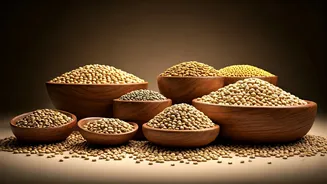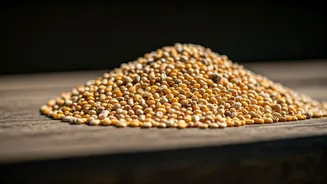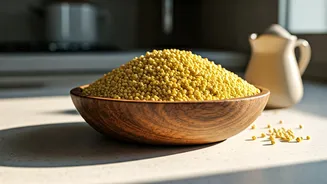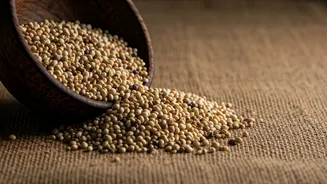



So, What Exactly Is Millet?
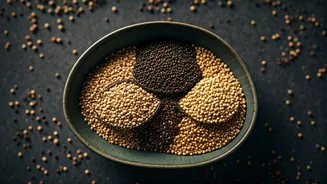
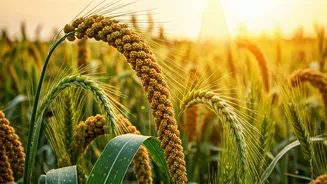
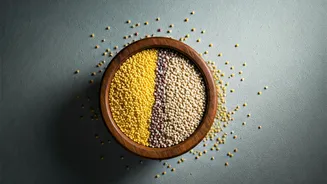
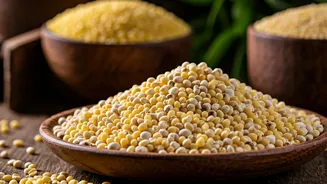
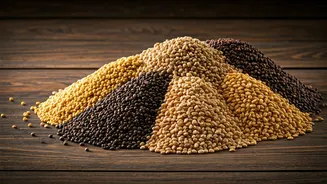
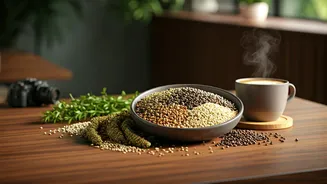
Before you picture birdseed—an association that has unfairly dogged its reputation in the West—let’s get acquainted. Millet isn’t one single grain; it’s a family of small-seeded grasses that have been cultivated for over 7,000 years. Think of it as a category,
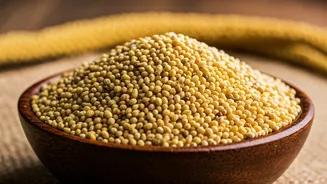
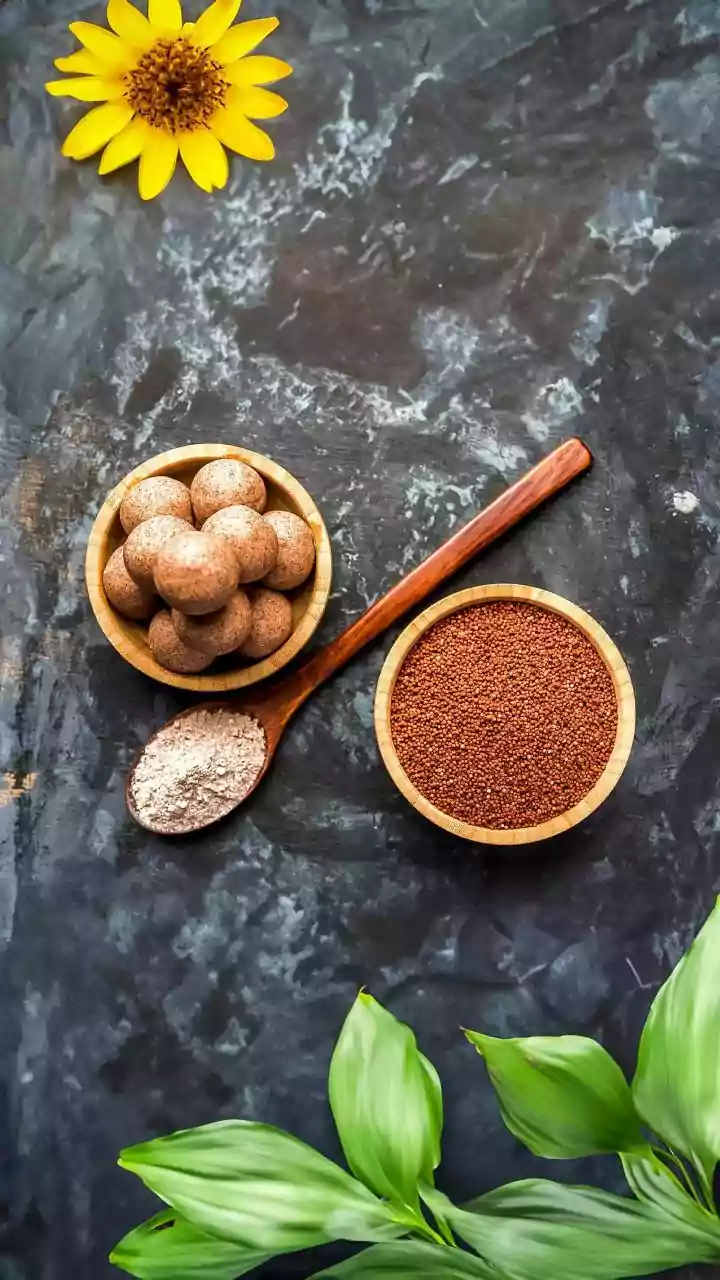
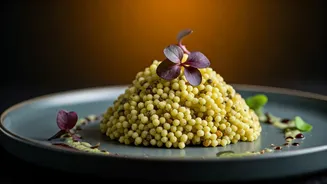
like “berries” or “squash.” The most common varieties you might encounter are pearl, foxtail, proso, and finger millet. Unlike wheat, corn, and rice, which dominate global food systems, millets have long been considered a secondary crop in many regions, despite their incredible history. They cook up into a fluffy, versatile base similar to couscous or quinoa, with a mild, slightly nutty flavor that readily absorbs the character of whatever it’s cooked with, from savory curries to sweet breakfast porridges.
The Modern Health Halo
The primary driver of millet’s modern resurgence is its stellar nutritional profile. For starters, all millets are naturally gluten-free, making them an excellent choice for individuals with celiac disease or gluten sensitivity. But the benefits go much further. They are packed with fiber, which aids digestion and promotes a feeling of fullness, potentially helping with weight management. They are also a rich source of essential minerals like magnesium, which is crucial for heart and nerve function, and iron, which combats fatigue. Furthermore, many millet varieties have a low glycemic index. This means they release sugar into the bloodstream more slowly than refined grains, helping to stabilize blood sugar levels—a significant benefit for preventing and managing type 2 diabetes. In a world searching for whole, unprocessed foods, millet ticks all the boxes.
A Grain with Deep Roots
This is where the story gets truly compelling. While it may feel new to American consumers, millet is an ancient food with deep cultural significance across Africa and Asia. It was a foundational crop in parts of India and China long before rice and wheat became widespread. In many African societies, it was—and still is—a staple used for everything from flatbreads and porridges to traditional fermented beverages. Its history is one of resilience and sustenance. So why did it fall from favor? The answer often lies in colonial history and agricultural modernization, which prioritized high-yield, water-intensive crops like wheat and rice. These were often promoted as “superior” grains, pushing millet to the margins and branding it as “poor people’s food.” The current revival, therefore, is also an act of culinary reclamation—a return to ancestral foodways and a celebration of heritage.
The Climate-Smart Comeback
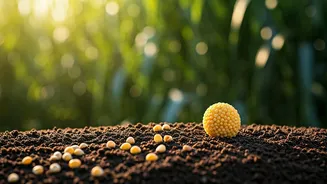
Millet’s heritage isn’t just cultural; it’s agricultural. These grains are incredibly hardy, a trait that makes them extraordinarily relevant in our era of climate change. Dubbed “climate-smart” crops, many millet varieties are naturally drought-resistant, require fewer fertilizers and pesticides, and can thrive in poor soil conditions where other cereals would fail. They have a shorter growing season, allowing farmers in arid regions to secure a harvest even with unpredictable rainfall. Recognizing this, the United Nations declared 2023 the International Year of Millets, aiming to raise awareness of their potential to combat hunger, improve nutrition, and promote sustainable agriculture. As we look for ways to build a more resilient food system, millet offers a powerful lesson from the past.
Bringing Millet to Your Kitchen
Intrigued? Getting started with millet is simple. The most common preparation is to treat it like rice or quinoa. A good rule of thumb is a 1:2 ratio of millet to water or broth. Toasting the dry grains in a pan for a few minutes before adding liquid can enhance their nutty flavor. From there, the possibilities are endless. Use cooked millet as a base for grain bowls topped with roasted vegetables and a zesty dressing. Swap it for oats in your morning porridge, adding fruit and nuts. Millet flour can be used in gluten-free baking for pancakes, muffins, and flatbreads. It’s a canvas for flavor, ready to be incorporated into soups, salads, and hearty main courses.