


Embrace the Rain: Why Monsoon is Peak Season
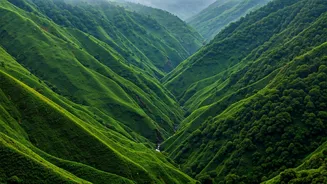
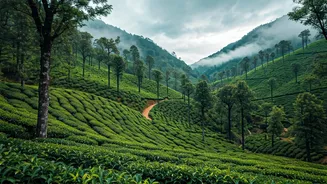
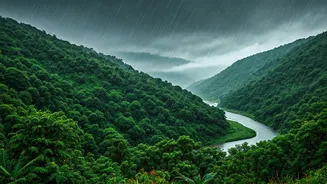
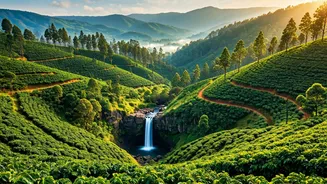
For most travel destinations, monsoon season (roughly June to September) means closed roads and canceled plans. In Meghalaya, it’s showtime. This corner of Northeast India is home to some of the wettest places on Earth, and the deluge transforms the landscape
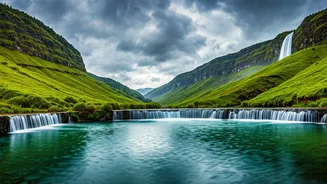
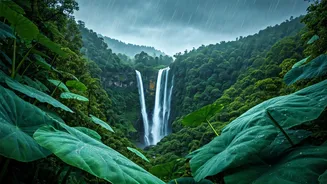
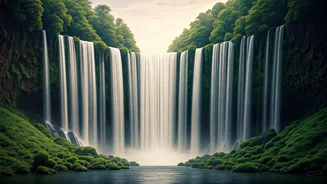
into an impossible shade of emerald green. The air is clean, the dust is settled, and the region’s hundreds of waterfalls, mere trickles in the dry season, roar back to life with breathtaking force. Traveling here during the monsoon is not about staying dry; it's about witnessing nature at its most powerful and pristine. It requires a spirit of adventure and the right gear, but the reward is a landscape humming with an energy you won’t find anywhere else.
Base Camp: The Pine-Scented Hills of Shillong
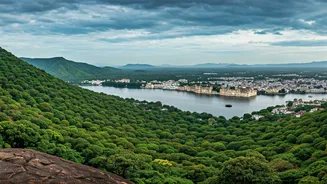
Your journey will likely begin and end in Shillong, the state's capital. This bustling hill station, with its lingering colonial charm and vibrant music scene, serves as the perfect base for your explorations. Before venturing into the deeper countryside, spend a day acclimatizing. Visit Elephant Falls, a three-tiered cascade just outside the city, or get a panoramic view from Shillong Peak. The Don Bosco Centre for Indigenous Cultures offers a fantastic primer on the region's diverse tribes and traditions. More importantly, Shillong is where you’ll arrange your transport. Hiring a knowledgeable local driver with a sturdy vehicle is non-negotiable for navigating the winding, rain-slicked roads.
Chasing Giants in Cherrapunji (Sohra)
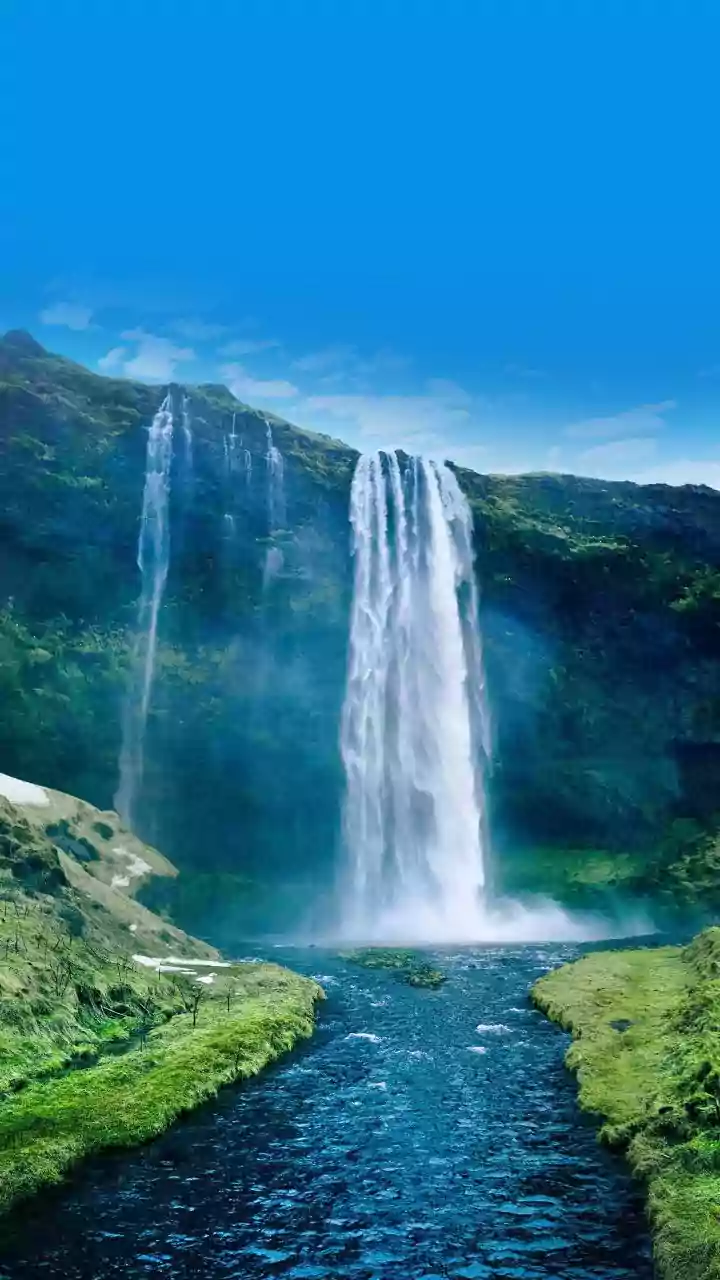
From Shillong, head towards Cherrapunji, locally known as Sohra. This is the heart of waterfall country. Your first stop must be Nohkalikai Falls, India's tallest plunge waterfall. During the monsoon, it’s a thunderous column of water dropping over 1,100 feet into a turquoise pool, often shrouded in dramatic mist. The tragic Khasi legend behind its name only adds to its mystique. Nearby, you'll find the Seven Sisters Falls, a panoramic view of seven cascades side-by-side, and the mesmerizing Wei Sawdong, a three-tiered wonder that requires a short, slippery bamboo-aided trek to reach its base. Don't rush this area; the views change by the minute as clouds roll in and out.
Walking on Living Architecture
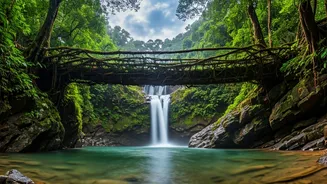
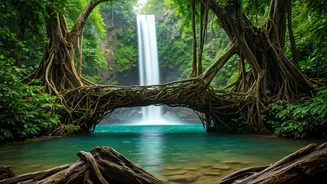
Meghalaya’s most unique marvel isn't made of stone or steel, but is grown from the roots of rubber fig trees. For centuries, the indigenous Khasi and Jaintia people have guided the secondary roots of these trees across rivers and ravines, weaving them into functional, living bridges that only grow stronger with time. The most famous of these, the Double-Decker Root Bridge in Nongriat village, is the holy grail for visitors. Reaching it requires a significant trek: a journey of roughly 3,500 steps down a steep hillside. It's a challenging but deeply rewarding hike through lush jungle, passing smaller root bridges and crystal-clear natural pools along the way. Seeing this masterpiece of bio-engineering, slick with rain and covered in moss, is an unforgettable experience.
The Sanctuary of Mawlynnong
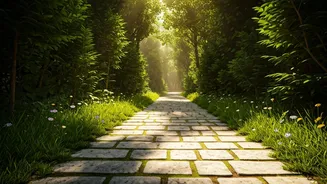
Often touted as “Asia’s Cleanest Village,” Mawlynnong is more than just a marketing slogan; it’s a testament to community pride. Here, you won't find a scrap of litter. Conical bamboo dustbins are placed at every corner, and residents take turns sweeping the stone-paved paths. The entire village feels like a meticulously maintained garden, with flowers blooming from every home. Beyond its cleanliness, Mawlynnong offers another accessible single-decker root bridge and a Sky Walk—a bamboo perch offering stunning views over the plains of neighboring Bangladesh. It’s a peaceful, inspiring stop that shows a different side of Meghalayan life.
Essential Monsoon Travel Tips
A successful Meghalaya monsoon trip is all about preparation. First, waterproof everything: your jacket, your pants, your shoes, and especially your backpack and electronics. Quick-drying clothes are your best friend. Pack sturdy footwear with excellent grip, as trails will be muddy and slippery. Hire a reliable local driver who knows the roads and potential landslide spots. Leeches are common on trekking trails, so wear high socks and carry a small packet of salt or a sanitizer spray for easy removal. Finally, be flexible. Heavy rain can cause temporary road closures or obscure viewpoints. Embrace the slow pace and have backup plans.