

The Search for Sanitized Nostalgia
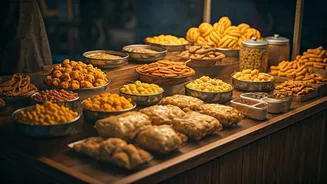
The heart of Indian street food, or *chaat*, is its spontaneity and joyful chaos. It’s a culture built around vendors who master a single dish, serving it fresh to a crowd of regulars. Yet, for a growing number of consumers in India and abroad, that very
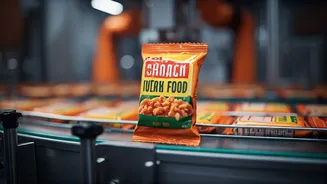
authenticity comes with a perceived risk. Concerns about hygiene, water quality, and the simple lack of time have created a massive market gap. Urban professionals nostalgic for the tangy-spicy hit of a good *pani puri* but wary of the street-side experience are the prime demographic. They crave the taste of their childhood or travels but demand the safety and convenience of a branded, factory-sealed product. This isn't just about food; it's about packaging a feeling of comfort and excitement without the accompanying uncertainty. Brands aren't just selling a flavor profile; they're selling peace of mind.
Deconstructing the 'Mood'
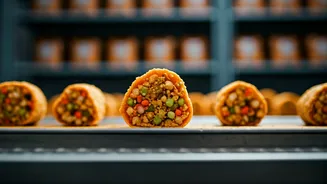
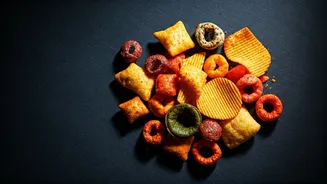
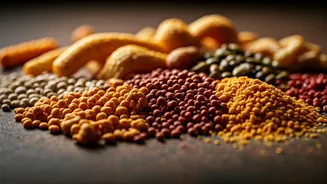
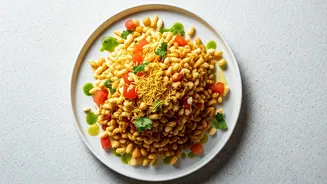
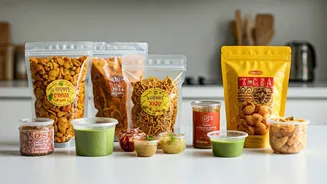
So what is the “street-food mood,” and how do you put it in a box? It’s a complex formula. First, it’s a sensory assault—a combination of textures (crunchy, soft, chewy) and flavors (sweet, sour, spicy, salty) that must coexist in every bite. Think of *bhel puri*: puffed rice, crispy noodles (*sev*), potatoes, onions, and a trio of chutneys. To package this, brands have to deconstruct it. The result is a DIY *bhel puri* kit with separate sachets for each component, or more commonly, a “chaat-flavored” potato chip that tries to mimic the flavor journey in a single crunch. Second, it’s about nostalgia. The flavors are deeply tied to memories of after-school treats, festival outings, and college hangouts. Brands lean heavily on this, with packaging that evokes a rustic, old-world charm even as the product inside is a marvel of modern food science. The 'mood' is an emotional shortcut to a cherished memory, now available on demand.
The Players in the Snack Game
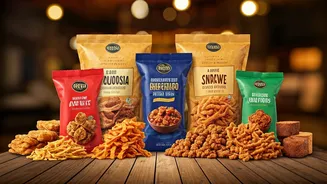
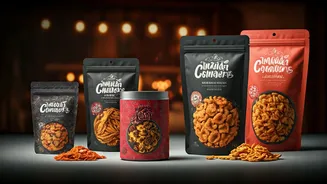
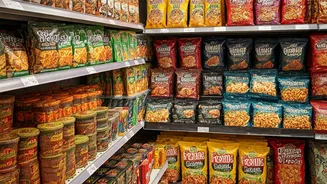
This lucrative market has attracted a diverse cast of characters. You have the legacy giants like Haldiram’s and Bikanervala, companies that started as traditional sweet and snack shops and have evolved into multinational corporations. They were the first to successfully scale and package regional Indian snacks, and now they offer everything from frozen *dahi vadas* to ready-to-eat meal kits that promise an authentic taste. Then you have the global players. PepsiCo, through its Lay’s brand, has been a master of this, rolling out wildly popular local flavors like “Magic Masala” and more experimental ones that directly reference street food dishes. Finally, a new wave of direct-to-consumer (DTC) startups is entering the fray. These nimble companies often target a niche, promising healthier alternatives (baked, not fried), cleaner ingredients, or more “authentic” regional recipes, using social media to build a cult following among younger, health-conscious consumers.
Authenticity vs. Accessibility
The rise of packaged street food inevitably sparks a debate about authenticity. Can a potato chip, however artfully seasoned, truly replicate the experience of a freshly made plate of *sev puri*? The answer is, of course, no. Something is undeniably lost in translation: the community of eating elbow-to-elbow with strangers, the customization (“bhaiya, thoda aur teekha!”—a little more spicy!), and the skill of the vendor. But what’s gained is accessibility. A person in rural Minnesota can now get a taste of Mumbai’s Chowpatty Beach. A time-strapped parent in Delhi can satisfy a craving without risking a stomach bug. These products aren't meant to replace the original experience but to supplement it, acting as a convenient, everyday echo of a special-occasion treat. It democratizes the flavor, even if it sanitizes the mood.