


An Escape from the Clock
To understand Landour, one must first understand what it is not. It is not a sprawling resort town packed with tourist traps and souvenir shops. It is a cantonment, a relic of the British Raj, and it wears its history with a quiet dignity. The roads,
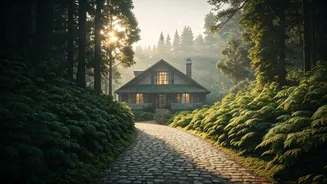
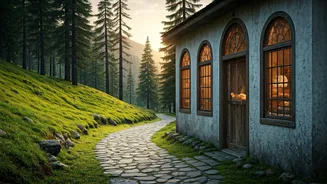
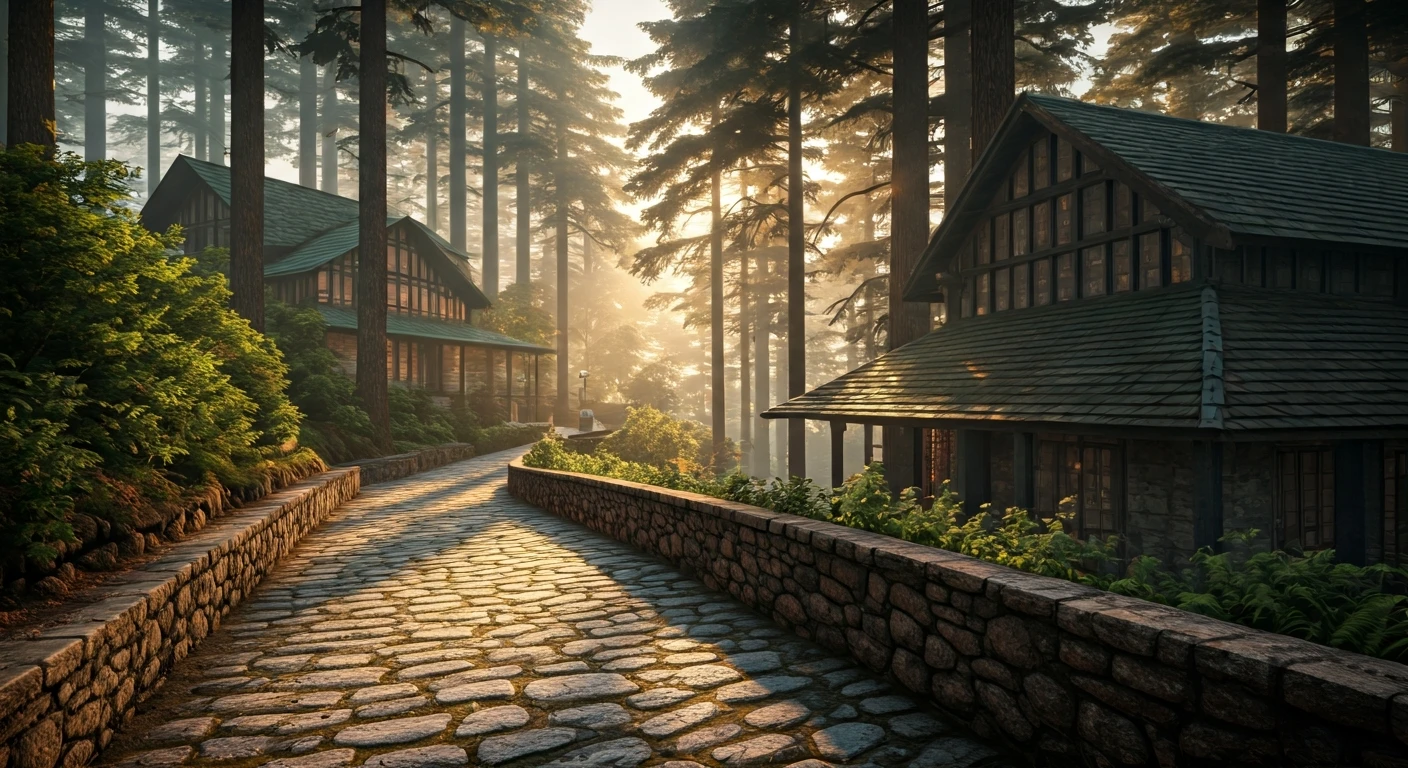
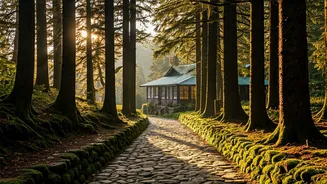
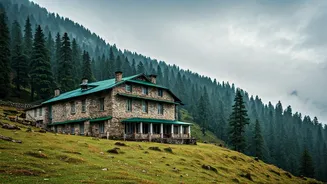
or ‘upper and lower bazaars,’ are narrow, twisting loops that discourage haste. There are no malls, no multiplexes, and very few cars. Instead, you find colonial-era bungalows with names like Kenilworth and The Parsonage, their tin roofs painted a signature Landour red or green, often peeking out from behind veils of morning mist. The pace is set by the local residents, the students of the Woodstock School, and the handful of visitors who have come specifically to find this deliberate, gentle quiet. The air itself, crisp and scented with pine from the surrounding deodar forests, seems to command a slower, more contemplative existence.
The Ritual of the Bakery Walk
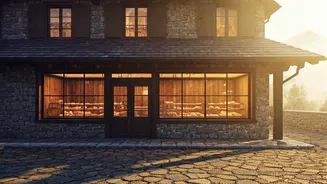
The phrase “bakery walk” is not just a description in Landour; it's a daily ritual, a purpose, and a pleasure. The town's lifeblood seems to flow from its ovens. The most famous destination is the Landour Bakehouse, a charming café that feels like it’s been lifted from an English village. Here, the glass counters are filled with sticky toffee pudding, lemon tarts, and generous slices of carrot cake. The walk to get there is part of the experience, a gentle pilgrimage along the hillside. Further up, at Char Dukan (literally “four shops”), a cluster of tiny stalls serves legendary pancakes, waffles, and omelets to patrons sitting on simple wooden benches. To sit here with a plate of hot, syrupy goodness while gazing at the snow-capped Himalayan peaks is to understand Landour’s simple, profound appeal. It’s a reward earned through a pleasant stroll, a perfect blend of gentle effort and delicious payoff.
In the Shadow of the Himalayas
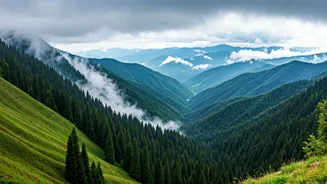
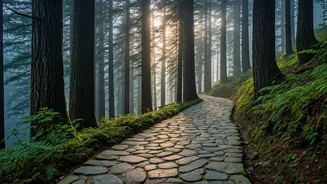
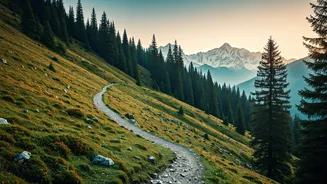
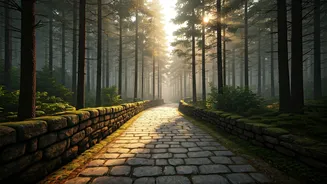
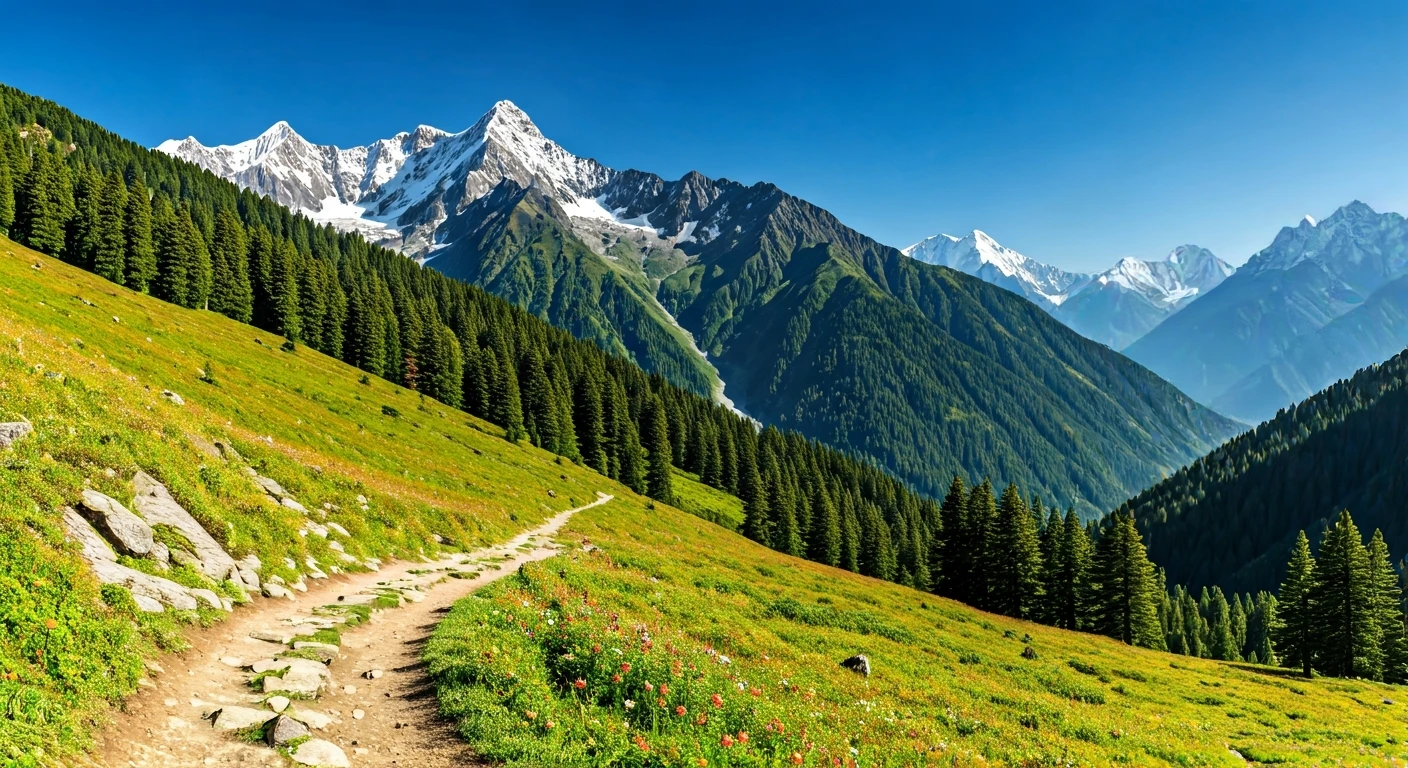
Beyond the bakeries, the “mountain calm” of the headline takes over. This is a place for walking. The best-known path is the ‘Gol Chakkar,’ a three-kilometer loop that offers breathtaking, panoramic views of the Garhwal Himalayas. On a clear day, the snow-capped peaks of Banderpoonch and Gangotri feel close enough to touch. But even on misty days, the walk is magical. The path is lined with towering deodar and oak trees, their branches creating a cathedral-like canopy overhead. The only sounds are the crunch of your own feet, the rustle of a langur monkey in the branches, and the whisper of the wind. This is where the world's noise fades completely, replaced by a deep, resonant silence that settles the mind. You pass historic churches like St. Paul’s and Kellogg Memorial Church, their stone spires standing as silent witnesses to a century of quiet mountain life.
The Literary Ghost
You cannot speak of Landour without mentioning its most famous resident, the beloved author Ruskin Bond. While visitors are discouraged from seeking him out, his spirit permeates the town. It’s easy to imagine his characters walking these same misty paths or sitting in these same cozy cafés. His presence has cemented Landour’s reputation as a writer's refuge, a place where creativity can flourish in the absence of distraction. Knowing he has chosen this quiet corner of the world to call home for decades only reinforces what you feel in the air: Landour is a place for stories, for reflection, and for finding beauty in the small, quiet moments that truly define a life well-lived.