
The Soul of the Street: What's a Thela?
Before we get to the chip aisle, let’s talk about the source. A 'thela' is a humble handcart, the epicenter of street food culture across India. These carts are more than just mobile kitchens; they are neighborhood institutions, serving up fresh, hyper-regional
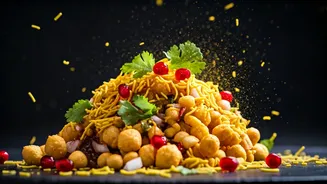
snacks for pennies. Think of vada pav in Mumbai (a spiced potato fritter in a soft bun), pani puri (hollow crisps filled with tangy, herbed water), or chaat (a broad category of savory snacks with a symphony of sweet, spicy, and sour chutneys). The experience is immediate, customized on the spot, and deeply social. It's about watching your food being made, bantering with the vendor you’ve known for years, and eating shoulder-to-shoulder with fellow city dwellers. The flavors are bold, complex, and unapologetically vibrant—a direct reflection of the streets they come from.
From Street Cart to Shopping Cart
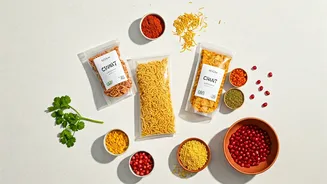
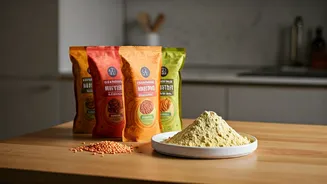
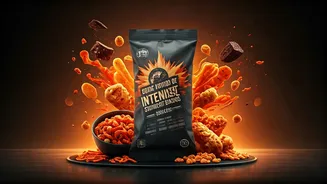
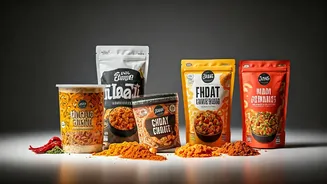
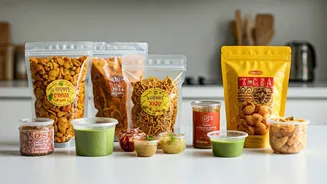
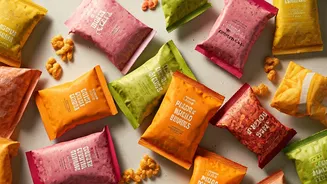
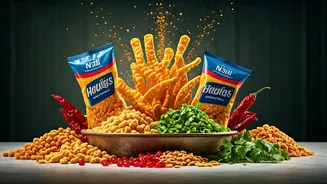
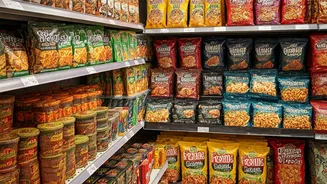
Walk down the snack or frozen food aisle in a U.S. supermarket today, and you’ll see the echo of the thela. It’s not just in specialty Indian grocery stores anymore. Lay’s has long had its “Magic Masala” flavor, an early harbinger of this trend. But now it’s everywhere. Trader Joe’s offers “Spicy Chakri Murls,” inspired by a classic coiled, crunchy snack. Brands like Deep Indian Kitchen and Tandoor Chef market entire lines of “street-style” wraps and frozen meals, using terms like “Tandoori Chicken Samosa” or “Street Style Veggie Korma.” Smaller, often diaspora-owned brands are also getting in on the action, creating gourmet sauces and condiments that promise the authentic taste of a specific city's street food. The packaging is often slick, featuring evocative imagery and buzzwords like “authentic,” “Mumbai-style,” or “street food classic,” aiming to transport the consumer in a single bite.
The Art of 'Romanticisation'
This isn’t just about borrowing a flavor profile; it’s about marketing a feeling. This is the “romanticisation” part. The packaged version strips away the beautiful, chaotic reality of the thela. It removes the heat, the noise, the crowds, and the delightful messiness of eating pani puri before the puri shell dissolves. What’s left is a sanitized, stable, and predictable version of the original. The romance comes from selling a story—a nostalgic fantasy of an exotic, faraway street market, neatly contained in a foil bag or a microwaveable tray. For the Indian diaspora, it can be a taste of home, a convenient hit of nostalgia without the plane ticket. For other American consumers, it’s a low-stakes adventure, a way to explore “authentic” global cuisine without leaving the comfort of their kitchen. Brands are selling an experience that is both thrillingly foreign and reassuringly safe.
Why This Flavor, Why Now?
This trend didn't appear in a vacuum. Several forces are driving it. First, the growing size and influence of the South Asian diaspora in the U.S. have created a significant, built-in market for these flavors. Second, American palates, particularly among younger generations, are more adventurous than ever. Consumers are actively seeking bold, complex, and authentic tastes from around the world, and Indian street food delivers on all fronts. The CPG (Consumer Packaged Goods) industry, in its endless quest for the “next Sriracha,” sees a goldmine in the diverse and largely untapped library of Indian flavors. It’s a perfect storm of demographic shifts, consumer curiosity, and corporate strategy.
A Complicated Compliment
So, is this a good thing? It’s complicated. On one hand, it’s a form of culinary celebration. The mainstreaming of thela-style flavors introduces millions of people to a rich food culture they might not otherwise encounter. It creates opportunities for Indian-American entrepreneurs and can be a point of pride. On the other hand, something is inevitably lost in translation. When a complex dish is reduced to a chip seasoning, it risks becoming a caricature of itself. The economic benefits often flow to large corporations rather than the communities and unnamed street vendors who perfected these recipes over generations. It’s a classic story of globalization: a flavor travels, gains a wider audience, and in the process, sheds some of the context and soul that made it special in the first place.