



Your Daily Budget: What to Expect
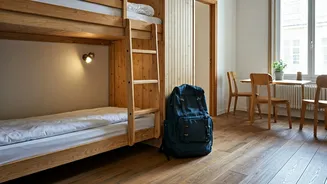
Uzbekistan is incredibly affordable. A comfortable backpacking budget is around $30-40 per day, but you could easily get by on $25 if you’re frugal. A dorm bed in a clean, friendly hostel typically costs $8-12. A hearty meal of plov (the national dish
of rice, meat, and carrots) from a local chaikhana (tea house) might set you back $3-4. A long-distance train ticket between major cities can be as little as $10. Your main expenses will be sightseeing tickets, which can add up, but even these are reasonable by Western standards. The local currency is the Uzbek som (UZS), and while credit cards are accepted in high-end hotels and restaurants in Tashkent, this is a cash-centric country. ATMs are now common in major cities, but it's wise to carry a buffer of U.S. dollars for exchange, just in case.
Getting Around: Trains and Shared Taxis
Uzbekistan's trump card for budget travelers is its excellent and affordable train network. The modern, high-speed 'Afrosiyob' train connects the capital, Tashkent, with the main tourist hubs of Samarkand and Bukhara. It's fast, comfortable, and essential to book in advance, especially during peak season, via the official railway website or apps. For other routes, like the journey to the desert oasis of Khiva, slower but still comfortable overnight trains offer a classic travel experience and save you a night's accommodation cost. For shorter distances or routes not covered by rail, shared taxis are the way to go. You'll find them at designated taxi stands near markets or train stations. Simply tell a driver your destination, and they'll group you with other passengers heading the same way. The price is fixed per seat, so there's no need to haggle.
Accommodation: Hostels and Homestays
The backpacker scene in Uzbekistan has exploded in recent years, and with it, a fantastic network of hostels has emerged. These are often family-run establishments known for their warm hospitality, hearty breakfasts (usually included), and beautiful courtyard settings. They are the social hubs of the traveler trail, making them perfect for solo adventurers looking to meet others. In cities like Samarkand, Bukhara, and Khiva, you can find dozens of top-rated options. Beyond hostels, consider staying in a family-run guesthouse. This offers a slightly more private and authentic experience, often with home-cooked meals that will be among the best you eat on your trip. As with trains, it’s wise to book your first few nights in each city ahead of time, particularly from April to October.
Eating Like Royalty on a Budget
Uzbek food is hearty, flavorful, and incredibly cheap. The national dish, plov, is a must-try, and you’ll find giant kazan pots of it simmering in every corner of the country. But don't stop there. Be sure to sample somsa, savory pastries filled with meat or pumpkin, baked in a tandoor oven and sold hot on street corners for less than a dollar. Manti are delicate steamed dumplings, while shashlik (grilled meat skewers) perfumes the evening air around every bazaar. For the cheapest and most authentic meals, eat where the locals do: in neighborhood canteens or the food stalls at the local bazaar. A full, satisfying meal can easily be found for under $5. Wash it all down with endless cups of green tea (choy), the lifeblood of Uzbek social life.
Sightseeing Without Breaking the Bank
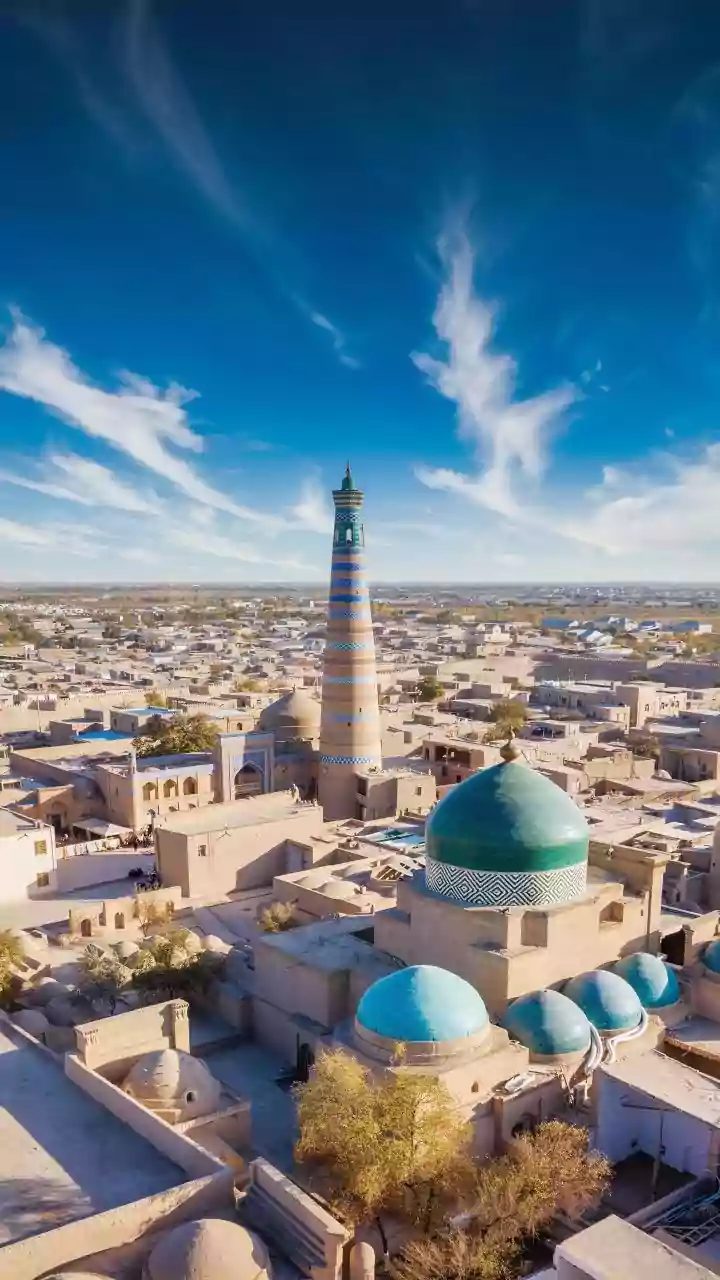
The magnificent mosques, madrassas, and minarets of the Silk Road cities are the main draw, and most have entrance fees. To manage costs, be strategic. In Bukhara and Khiva, many of the most impressive exteriors can be appreciated for free just by wandering the old city streets. In Samarkand, the Registan—a breathtaking square of three grand madrassas—is the one big-ticket item you cannot miss. Many cities offer combination tickets that provide access to multiple sites for a discounted price, so always ask at the first ticket office you visit. Beyond the official monuments, some of the best experiences are free. Spend hours getting lost in the labyrinthine alleys of Khiva's old town, haggling for spices in the Chorsu Bazaar in Tashkent, or simply sitting in a city square and people-watching.