



1. Choose Your Growing System
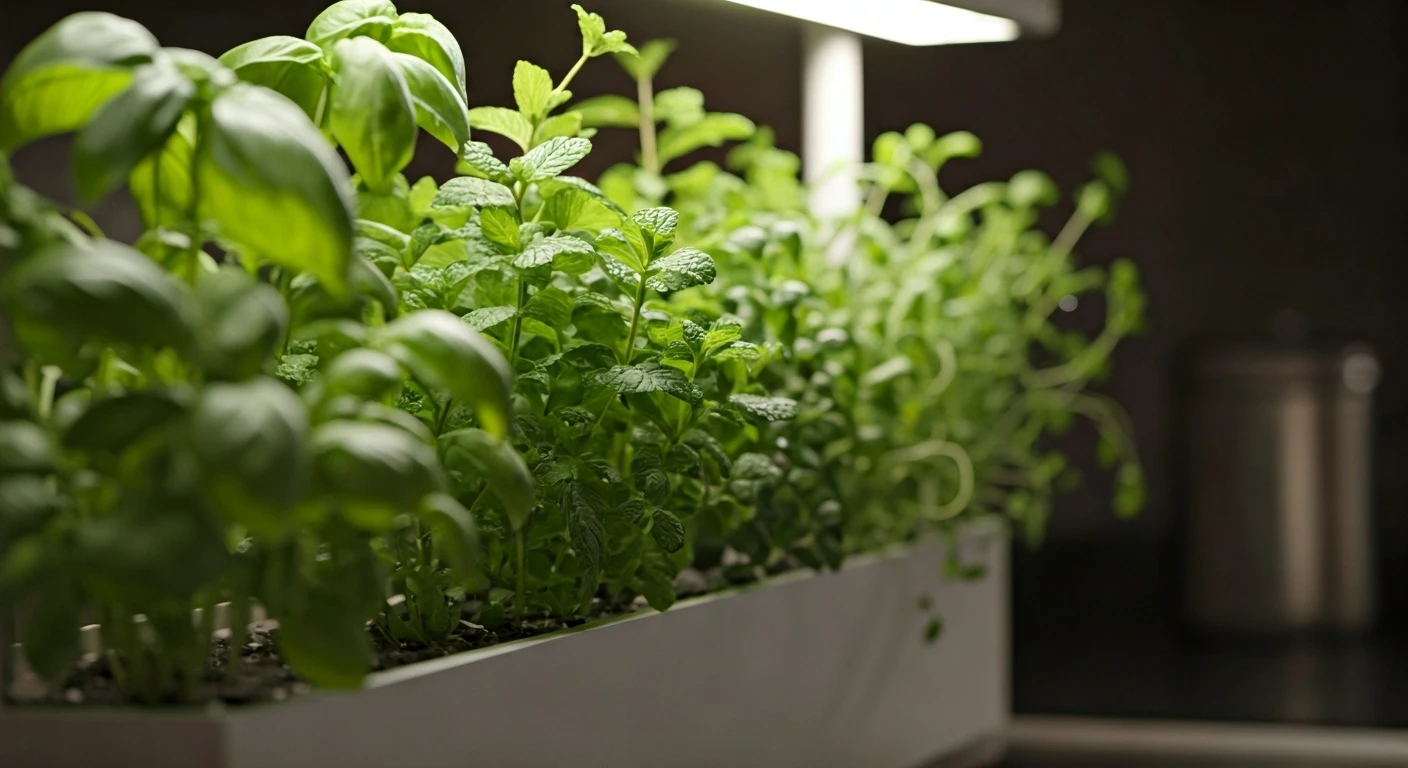
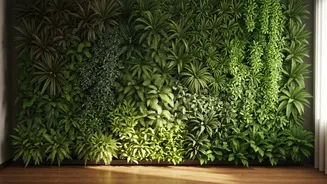
The first step is deciding what kind of vertical garden fits your space, budget, and style. The most popular options are self-contained hydroponic units and soil-based towers or wall planters. Hydroponic systems, like those from AeroGarden or Click &
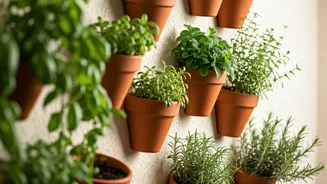
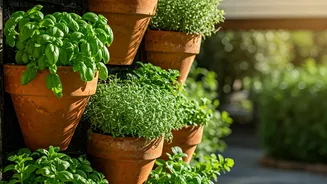
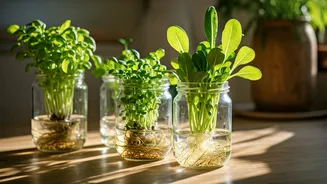
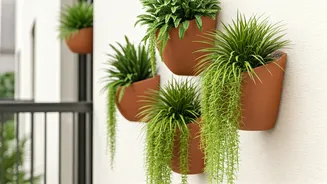
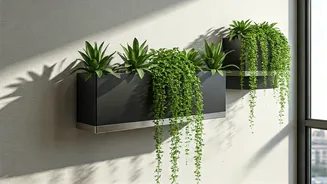
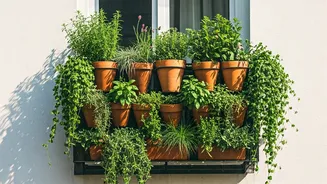
Grow, are countertop-friendly and often come with built-in grow lights and automated watering/feeding schedules. They are incredibly beginner-friendly, taking the guesswork out of plant care. You simply pop in a seed pod, add water and nutrients, and the system does the rest. They tend to be more expensive upfront but offer a high success rate. Soil-based systems range from tiered terracotta pots to felt wall pockets and modular stacking planters. These give you more control over your soil and are often more affordable. They require a bit more hands-on attention—you'll need to monitor watering yourself—but they offer a more traditional gardening experience.
2. Pick the Perfect Herbs
Not all herbs are created equal when it comes to indoor gardening. For beginners, it’s best to start with plants that are hardy and don't require intense, direct sunlight. The 'cut-and-come-again' herbs are fantastic choices because harvesting them actually encourages more growth. Great starter herbs include: • **Basil:** A kitchen staple, it loves the consistent moisture of a hydroponic system. • **Mint:** Prolific and easy to grow. Keep it in its own pot or pod, as its roots can aggressively take over. • **Parsley:** Both curly and flat-leaf varieties do well indoors. • **Chives:** They grow like grassy clumps and can be snipped continuously for a mild onion flavor. • **Oregano:** A hardy Mediterranean herb that thrives with regular trimming. Herbs like rosemary and lavender can be trickier, as they require more light and prefer drier conditions than most automated systems provide.
3. Location, Light, and Airflow
Your garden's success hinges on its placement. Most herbs need at least six hours of light per day. If you have a bright, south-facing window, that might be enough. However, for most people in the U.S., especially during winter, a built-in grow light is the key to success. This is why all-in-one hydroponic kits are so effective—they provide full-spectrum LED light tailored for plant growth. If you're using a soil-based system without a light, place it in the sunniest spot you have. You may need to rotate the planter so all sides get light. Also, consider airflow. Stagnant, humid air can encourage pests and mold. A spot with good natural air circulation—but not directly in the path of a heating or AC vent—is ideal. A small fan can also help circulate air if your kitchen feels stuffy.
4. Master Watering and Feeding
Overwatering is the number one killer of indoor plants. If you're using a soil-based system, stick your finger about an inch into the soil. If it feels dry, it's time to water. If it’s damp, wait another day. Ensure your planters have good drainage so roots aren't sitting in water. For hydroponic systems, this is mostly automated. Your job is simply to keep the water reservoir filled. The system will alert you when it's low. You'll also need to add liquid nutrients every couple of weeks, as there's no soil to provide them. These nutrients typically come with the system and are formulated specifically for herbs and leafy greens. Don't be tempted to over-feed; just follow the instructions on the bottle.
5. Harvest Early and Often
This is the most rewarding part, and it's crucial for the health of your plants. Regular harvesting encourages your herbs to become bushier and more productive. Don't wait for the plant to be huge before you start snipping. Once a plant has several sets of leaves, you can start harvesting. For leafy herbs like basil and mint, pinch off the top set of leaves just above a leaf node (where two leaves sprout from the stem). This will prompt the plant to send out two new shoots from that node. For chives and parsley, you can snip the outer leaves at the base. The general rule is to never take more than one-third of the plant at any given time. This ensures it has enough foliage left to photosynthesize and keep growing strong.