





The FDA-Approved Gold Standard: Minoxidil
When you ask dermatologists about a proven topical for hair growth, one name consistently comes up: minoxidil. Sold over-the-counter in brands like Rogaine, this is one of the few ingredients with robust clinical data and FDA approval for treating hair loss.
It works by increasing blood flow to the scalp and prolonging the growth phase of the hair follicle. Experts stress that consistency is key. It’s available in 2% and 5% concentrations, and you'll typically need to use it daily for several months to see results. While highly effective for many, it’s best to manage expectations—it’s more about maintaining what you have and encouraging some regrowth, not magically restoring a full head of hair overnight.
The Natural Contender: Rosemary Oil
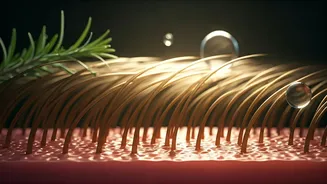
For those seeking a more natural approach, experts are increasingly pointing to rosemary oil. Once relegated to wellness blogs, this essential oil has gained credibility thanks to studies suggesting its efficacy can be comparable to 2% minoxidil for androgenetic alopecia, without some of the potential side effects like scalp irritation. Trichologists (hair and scalp specialists) suggest diluting a few drops of pure rosemary oil with a carrier oil like jojoba or coconut oil and massaging it into the scalp a few times a week. It’s thought to work by improving circulation and providing antioxidant benefits. While promising, dermatologists note the body of evidence isn't as vast as it is for minoxidil.
The Foundation: A Healthy Scalp
You can’t grow healthy plants in bad soil, and the same logic applies to your hair. Experts across the board emphasize that scalp health is non-negotiable for promoting hair density. Shampoos containing ingredients like ketoconazole (found in anti-dandruff formulas), salicylic acid, or piroctone olamine can help manage scalp inflammation, oil, and yeast overgrowth—all of which can hinder healthy hair growth. A clean, balanced scalp creates the optimal environment for your hair follicles to thrive. Celebrity hairstylists often recommend using a clarifying shampoo once a week to remove product buildup that can weigh hair down and clog follicles.
The Inside-Out Approach: Supplements
The market for hair supplements is booming, but dermatologists advise a dose of caution. If you have a true nutritional deficiency in iron, vitamin D, or zinc, correcting it can absolutely improve hair health. However, for most people, megadosing on biotin is unlikely to be a silver bullet. Experts say that unless you're deficient, your body will simply excrete the excess. Instead, they often recommend supplements containing marine collagen, saw palmetto, or ashwagandha, which have some research suggesting they can support the hair growth cycle. The best advice? Get a blood test from your doctor to check for deficiencies before you start spending money on pills.
The Instant Fix: Volumizing Stylers
While treatments and supplements take time, sometimes you want a solution that works right now. This is where styling products become your best friend. Celebrity hairstylists rely on a toolkit of volumizers to create the illusion of thicker, more abundant hair. Their top picks often include a lightweight mousse applied to damp roots for lift, a texturizing spray misted through dry hair for grit and body, and root-lifting powders for targeted volume. The trick, they say, is to find formulas that don't weigh the hair down. Look for products labeled 'volumizing,' 'thickening,' or 'texturizing' and apply them sparingly at first—it’s always easier to add more.
The In-Office Option: PRP Therapy
For those with the budget, Platelet-Rich Plasma (PRP) therapy is a popular in-office treatment recommended by many dermatologists. The procedure involves drawing a small amount of your own blood, spinning it in a centrifuge to concentrate the platelets, and then injecting this 'liquid gold' into the scalp. The growth factors in the platelets are thought to stimulate dormant hair follicles and encourage growth. While it's considered a safe and promising treatment, it's also costly, requires multiple sessions, and the results can vary from person to person. It's often used in combination with other treatments like minoxidil for a multi-pronged attack on hair thinning.