
The Soul of Indian Street Food
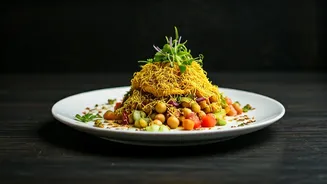
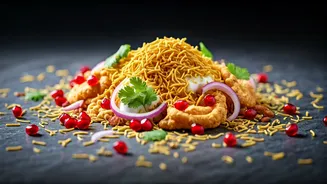
First, for the uninitiated: what exactly is chaat? The term itself means “to lick” in Hindi, and it’s a category of savory snacks that hits every note on the flavor spectrum. Think of it as a layered masterpiece. You start with a crunchy base—maybe a fried
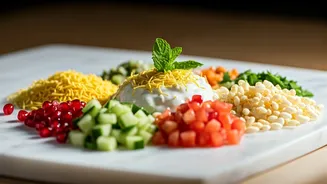
flour cracker (papdi), a hollow puri shell, or the crushed remnants of a samosa. On top of that comes a savory filling, often potatoes, chickpeas, or lentils. Then comes the magic: a trio of sauces. There’s the sweet and sour tamarind chutney, the zesty green mint-coriander chutney, and a cooling drizzle of yogurt (dahi). The final act is a shower of textures and spices: crunchy fried chickpea flour noodles (sev), juicy pomegranate seeds, finely chopped onions, and a generous sprinkle of chaat masala—a complex spice blend that provides the signature funky, tangy kick. It’s a dish that’s meant to be unapologetically bold and satisfying.
Why Lighten a Legend?
If it’s not broken, why fix it? The move toward lighter chaat isn’t about “fixing” a classic but rather evolving it for modern lifestyles. Traditionally, many of chaat’s core components are deep-fried, and the dish can be rich with potatoes and sweetened yogurt, making it a special-occasion treat for many. As Americans become more health-conscious and mindful of everyday eating habits, chefs and home cooks are finding creative ways to make their favorite foods a more regular part of their lives. This isn’t about deprivation or bland “diet food.” Instead, it’s a culinary challenge driven by a simple question: Can we get that same explosive chaat experience without the post-meal heaviness? The answer, it turns out, is a resounding yes. It’s about making a weekend indulgence into a potential weeknight delight.
The Modern Chaat Toolkit
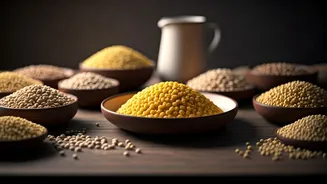
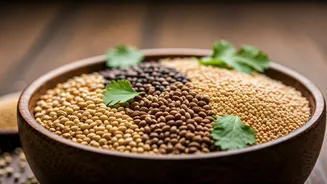
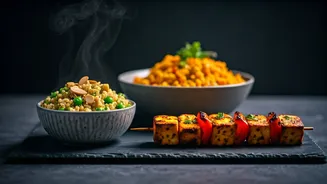
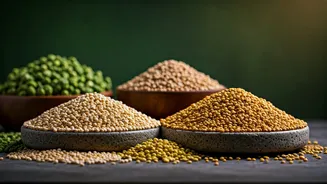
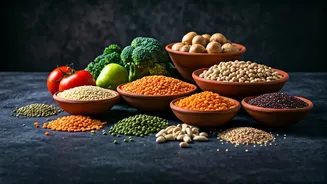
So, how is this lighter magic achieved? It comes down to a few clever swaps and techniques that reduce fat and carbs while upping the nutritional value. The deep fryer is the first to go. Instead of fried papdi, cooks are baking or air-frying their own whole-wheat or lentil-flour crackers until crisp. Samosas, a popular base for chaat, are getting the air-fryer treatment, too, resulting in a shatteringly crisp shell with a fraction of the oil. The starchy potato fillings are also being rethought. Many modern recipes now call for sprouted mung beans, boiled chickpeas, or even high-protein grains like quinoa as the primary filling. These ingredients provide a more complex, earthy flavor and a satisfying chew. Even the yogurt is getting an update. Plain Greek yogurt offers more protein and less sugar than some traditional sweetened preparations, while still providing that essential creamy, cooling contrast.
Keeping the All-Important Tang
This is the most important part. A lighter chaat is pointless if it loses its soul—that signature, crave-able tang. Fortunately, the dish’s defining flavors don’t actually come from the fried elements or the potatoes. They come from the chutneys and the chaat masala. This is where modern cooks refuse to compromise. The tamarind chutney still brings its deep, fruity sourness, often sweetened with mineral-rich jaggery or dates instead of refined sugar. The green chutney remains a vibrant, herbaceous blast of fresh mint, cilantro, ginger, and green chilies. And most critically, the chaat masala—with its blend of amchur (dried mango powder), cumin, coriander, and kala namak (black salt)—is non-negotiable. By keeping these flavor powerhouses front and center, the lighter base and fillings become a perfect canvas. The crunch is still there, the coolness of the yogurt is still there, and the explosive sweet-sour-spicy-savory punch is as potent as ever. You get all the personality, just with less baggage.