



The Renter’s Dilemma: No Yard, No Problem
The fundamental challenge of renting is making a temporary space feel like your own. For anyone with a green thumb, this is especially true. You might crave a patch of fresh herbs for cooking, the air-purifying presence of houseplants, or the simple satisfaction
of nurturing something from seed to harvest. But what if your only window faces a brick wall? Or your lease has a strict “no outdoor modifications” clause, ruling out even a simple balcony planter box? This is the reality for millions of U.S. renters who are starved for sunlight. Traditional gardening is tied to land and sun exposure—two things you can’t control in a rental. Instead of surrendering to a plant-free existence, the smart solution is to control the one variable you can: light.
Why Your Desk Lamp Won't Cut It
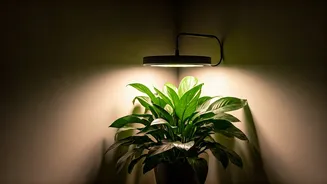
It’s a common first thought: can’t I just stick a plant under a regular lamp? The short answer is no. Plants are sophisticated light consumers. They don’t just need brightness; they need the right kind of light. Sunlight contains a full spectrum of colors, and plants use different wavelengths for different stages of growth—blue light for leafy development and red light for flowering and fruiting. A standard incandescent or LED household bulb is designed for human eyes, primarily emitting light in the yellow and green range, which plants mostly reflect. Grow lights, on the other hand, are engineered to mimic the sun. “Full-spectrum” models provide the balanced diet of blue, red, and other light that plants need to photosynthesize effectively. This is why a plant that languishes under a desk lamp can thrive just inches away from a proper grow light.
Choosing Your First Grow Light
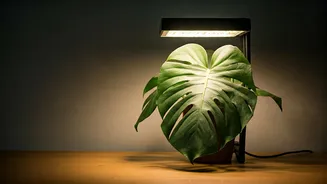
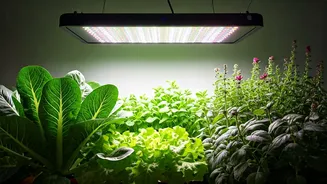
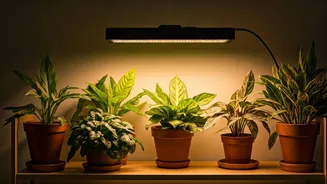
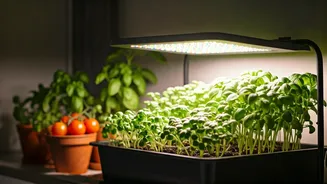
The market for grow lights can seem intimidating, but for a renter, the choice is simple: start with LEDs. They are incredibly energy-efficient, produce very little heat (so you won’t scorch your plants or your security deposit), and have a long lifespan. More importantly, they come in renter-friendly formats. Forget bulky, industrial-looking hoods. Modern LED grow lights are available as clip-on lamps you can attach to a shelf, sleek strips that fit discreetly under a kitchen cabinet, or even bulbs that screw into a standard light fixture. Look for features that suit your lifestyle: a built-in timer is a game-changer, allowing you to automate a consistent “daylight” cycle for your plants even when you’re not home. For aesthetics, many companies now offer minimalist designs that blend seamlessly into home decor, so your indoor garden enhances your space rather than cluttering it.
From Kitchen Herbs to Lush Foliage
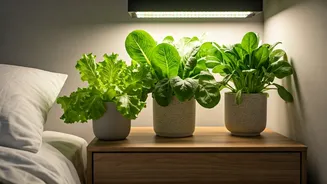
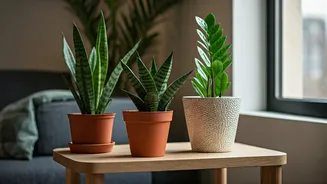
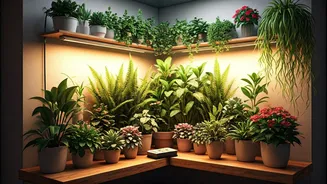
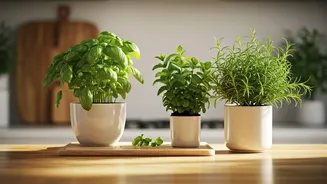
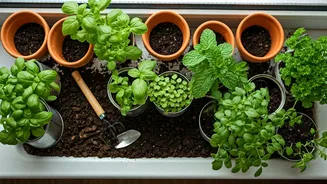
So, you have the light. What can you actually grow? The possibilities are surprisingly vast. A small grow light setup is perfect for creating a kitchen herb garden. Basil, mint, parsley, cilantro, and chives all flourish with supplemental light, giving you fresh flavors for your cooking year-round. Beyond herbs, you can easily cultivate a small crop of leafy greens like lettuce, spinach, and arugula for ultra-fresh salads. Grow lights are also a lifeline for houseplants. That trendy fiddle-leaf fig or calathea that’s struggling in your low-light living room can be revived and encouraged to produce new growth with just a few hours of extra light each day. It’s also the perfect tool for starting seeds indoors in late winter, giving you strong, healthy seedlings ready for a community garden plot or a friend’s yard come spring.
Getting Started Without Guesswork
Starting your indoor garden is less about horticulture expertise and more about a few simple habits. First, position the light correctly. Most grow lights need to be fairly close to the plants—typically 6 to 12 inches away—to be effective, so adjust as your plants grow. Second, don't overdo it. Plants need a period of darkness to rest, just like they do at night. A timer is your best friend here; aim for 12 to 16 hours of light per day. Finally, remember that light is only one part of the equation. Plants under grow lights may dry out faster, so monitor your soil’s moisture and be careful not to overwater, which is one of the most common mistakes new plant parents make. Start small with one or two easy-to-grow plants to build your confidence.