


So, What’s the Big Deal with Gir?
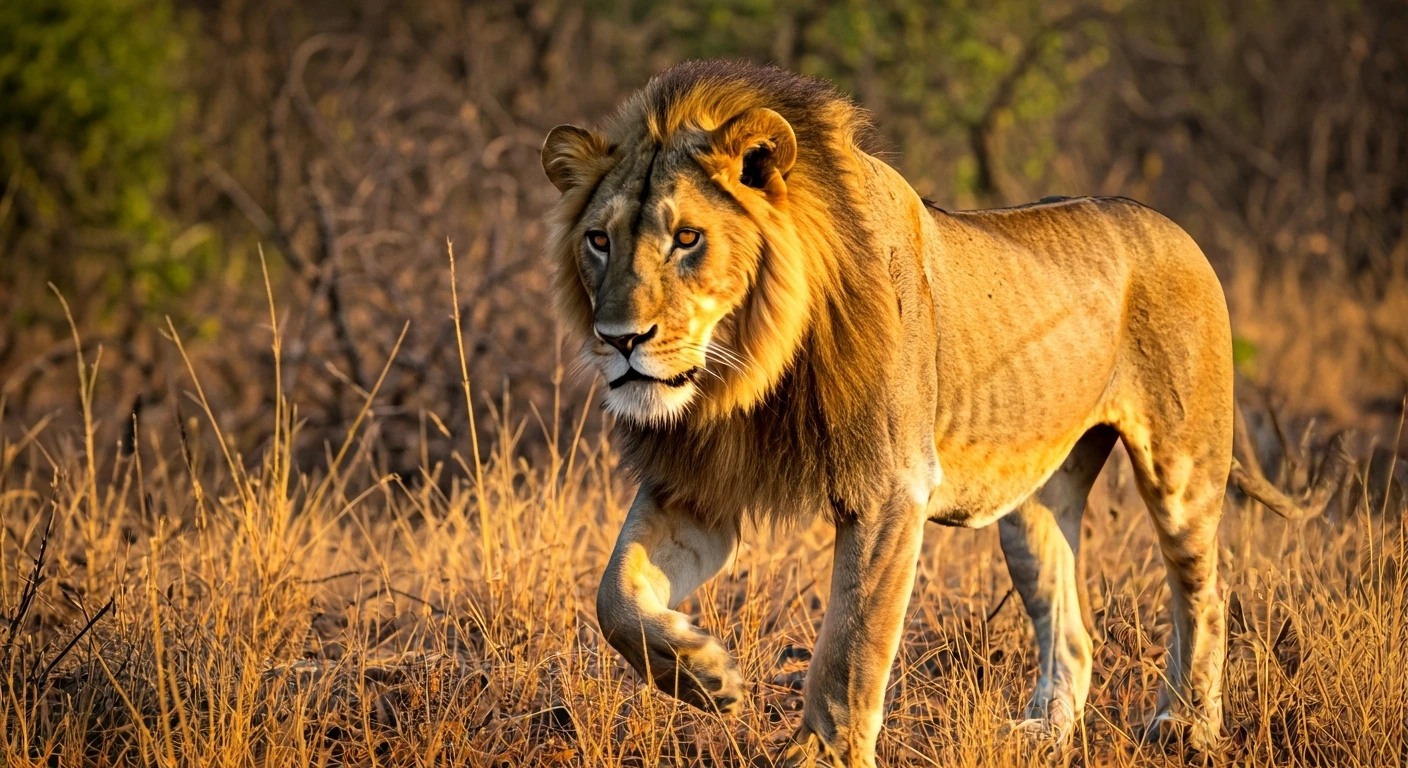
First, let’s get our bearings. Gir National Park, located in the state of Gujarat, isn't just another wildlife sanctuary. It's the planet's only remaining natural habitat for the Asiatic lion. Once roaming from the Middle East to Eastern India, these
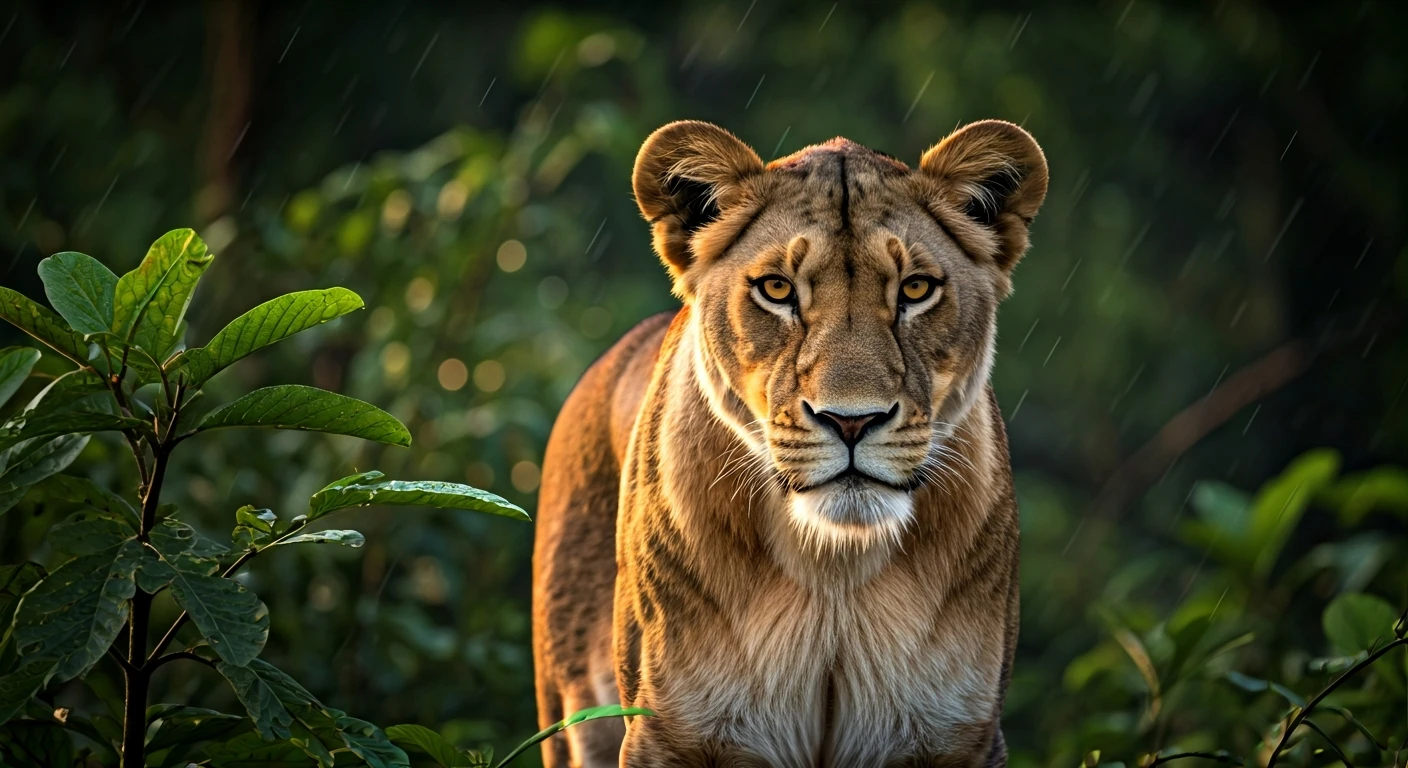
magnificent cats were hunted to the brink of extinction, with only about a dozen surviving in the private hunting grounds of the Nawab of Junagadh. Thanks to a century of dedicated conservation, their population has rebounded to over 600. But their entire wild population lives in this one protected landscape. Seeing an Asiatic lion in its natural element isn't just a safari sighting; it's a rare glimpse of a miraculous conservation comeback story. This isn't a zoo or a drive-through park—it’s a rugged, authentic wilderness that operates on nature’s terms.
The Annual Clock is Ticking
Every year, around mid-June, the gates to Gir National Park swing shut. They don't reopen until mid-October. The reason is the monsoon. The torrential seasonal rains transform the dry, dusty landscape into a lush, green paradise, but they also make the dirt safari tracks impassable. The closure serves a dual purpose: it protects the delicate ecosystem by giving it a break from vehicle traffic, allowing the habitat to rejuvenate, and it’s a crucial, undisturbed period for wildlife breeding. This annual shutdown creates a natural deadline. For safari enthusiasts and wildlife photographers, the period from April to early June represents the final chance to experience the park before it goes quiet for four long months. The ticking clock is what turns a regular trip into an urgent pilgrimage.
Why Heat and Dust Create Magic
You’d think the scorching pre-monsoon heat, with temperatures often soaring above 100°F, would be a deterrent. For wildlife viewing, it’s the exact opposite. This is the secret sauce. As seasonal streams and small water bodies evaporate under the relentless sun, the park’s wildlife is forced to congregate around the few remaining, larger waterholes. This creates incredible, predictable viewing opportunities. Leopards, sambar deer, spotted deer, nilgai (blue bull antelope), and wild boars are all drawn to these oases. And where the prey goes, the predators follow. The lions, normally masters of camouflage in the dense forest, become easier to spot as they lounge near water or patrol their territories in search of a meal. The harsh conditions strip away the foliage, providing clearer sightlines and turning every waterhole into a stage for the daily drama of survival. The heat, the dust, the desperation—it's what makes the sightings so raw and powerful.
Your Feed’s Favorite Safari
This is where the FOMO kicks in. As the closing date nears, social media feeds, particularly Instagram and specialized wildlife forums, light up. Photographers who have made their final trip of the season begin posting their trophy shots: a lioness leading her cubs to water, a majestic male roaring in the golden morning light, or a rare leopard sighting. The captions are filled with phrases like “One last time,” “Goodbye until October,” and “Epic end to the season.” For anyone with even a passing interest in wildlife, it’s an onslaught of breathtaking imagery from a place that’s about to become inaccessible. This isn’t manufactured hype; it’s a genuine, shared experience among a passionate community, celebrating the final moments before nature draws its curtains. It creates a powerful sense of “I need to be there next year.”