
Beyond the Buffet Line
For many Americans, "Indian food" has long been synonymous with the rich, heavy, and delicious fare of restaurant buffets: creamy butter chicken, mountains of fluffy naan, and decadent saag paneer. While these dishes are a celebrated part of the cuisine,
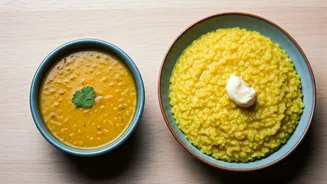
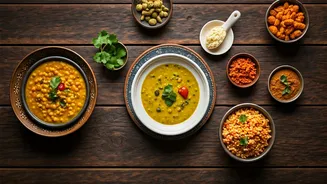
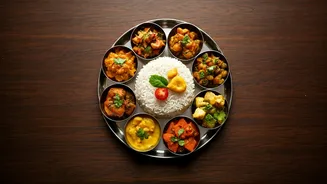
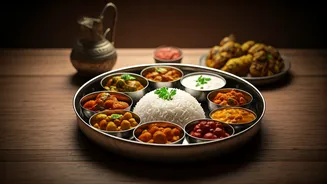
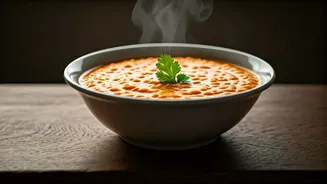
they represent special occasion food, not the everyday meals consumed in hundreds of millions of Indian households. The trend that’s capturing the wellness world’s attention is a pivot toward this simpler side. We’re talking about dal (lentil soup), sabzi (gently spiced vegetable dishes), roti (whole wheat flatbread), and khichdi—a comforting one-pot meal of rice and lentils often hailed as the Indian equivalent of chicken soup. This is food that is inherently lighter, more balanced, and built for daily nourishment rather than weekend indulgence. It’s a quiet culinary revolution, shifting the perception of an entire subcontinent’s cuisine from a heavy treat to a sustainable, healthy lifestyle.
The Wellness Connection
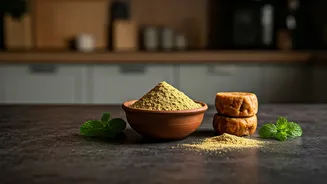
So why is this style of eating resonating so strongly with the wellness-conscious? The answer is that it has always been aligned with modern health principles. These simple dishes are often vegetarian or vegan, packed with plant-based protein from lentils and legumes, and loaded with fiber from vegetables. The spice blends, or masalas, aren’t just for flavor; they’re a powerhouse of functional ingredients. Turmeric is celebrated for its anti-inflammatory properties, cumin aids digestion, and ginger is a well-known antioxidant. This dovetails perfectly with core tenets of wellness culture, which prioritizes gut health, plant-forward diets, and anti-inflammatory eating. Furthermore, many of these cooking traditions are rooted in Ayurveda, the ancient Indian system of medicine that views food as a primary tool for balancing the body and mind. A bowl of dal isn't just a meal; it’s a practice in mindful, holistic nourishment that feels both timeless and perfectly suited for our current moment.
Packaged for the Feed
Of course, healthy food doesn't just go viral on its own. It needs to be presented in a way that’s compelling to the social media algorithm, and a new generation of creators is mastering this. They are filming aesthetically pleasing, ASMR-style videos of tadka (hot, spice-infused oil) sizzling into a pot of dal. They’re showcasing “What I Eat in a Day” videos that replace oat milk lattes with chai and acai bowls with poha (flattened rice). The visual appeal is undeniable: the vibrant yellow of a turmeric-laced stew, the fresh green of cilantro, the deep red of chili powder. These creators, many of them from the Indian diaspora, are using modern digital storytelling tools to share the food they grew up with. They make it look easy, accessible, and deeply satisfying, demystifying recipes that may have once seemed intimidating. The algorithm rewards this authentic, visually engaging content, pushing it onto the “For You” pages of people who may have never considered cooking Indian food at home before.
A Story of Authenticity
Ultimately, the rise of simple Indian food is about more than just a health trend; it’s a story of cultural reclamation. For years, many second-generation Indian Americans felt the need to distance themselves from their “lunchbox moments,” when aromatic home-cooked meals were met with curiosity or ridicule. Now, they are the ones leading the conversation. By sharing their family recipes for rajma (kidney bean curry) or a simple cabbage stir-fry, they are asserting the value and validity of their culinary heritage. They are pushing back against a monolithic, Westernized view of Indian cuisine and celebrating its vast regional diversity and inherent healthfulness. This trend isn’t about wellness influencers “discovering” turmeric; it’s about people with deep roots in the culture sharing their definition of comfort, health, and home on their own terms. It feels real because it is.