



1. Master Flavor, Not Just Ingredients
The biggest mistake in “healthy” cooking is confusing simple with bland. Instead of just steaming or boiling, think like a chef. Your spice rack is your best friend. Cumin, smoked paprika, and coriander can turn plain chicken into a flavorful main course.
A squeeze of fresh lemon or lime juice at the end of cooking brightens up everything from fish to roasted vegetables. Don't forget fresh herbs like cilantro, parsley, and basil, which add a burst of freshness that processed dressings can't replicate. Learning to season properly means you’re adding immense flavor for virtually zero calories, transforming a dutiful meal into a delicious one.
2. Change Your Cooking Method
How you cook something is just as important as what you’re cooking. Steaming vegetables retains nutrients but often leaves them tasting watery and dull. Roasting, on the other hand, is a game-changer. Tossing broccoli, Brussels sprouts, or sweet potatoes with a little olive oil and salt and roasting them at 400°F creates caramelization—a process called the Maillard reaction—that brings out their natural sweetness and gives them a satisfyingly crispy texture. Grilling and searing also build deep, savory flavors that boiling or microwaving can never achieve. You're not just cooking the food; you're developing its character.
3. Don't Underestimate Texture
A meal that’s all one texture is boring, no matter how it tastes. Great dishes have contrast. Think about adding a satisfying crunch to your meals. Top your Greek yogurt with a sprinkle of toasted almonds or seeds. Add some crispy chickpeas to a salad instead of croutons. Throw a handful of chopped walnuts into your oatmeal. This doesn't just make the meal more interesting to eat; the added fiber and healthy fats from nuts and seeds also make it more satiating, helping you feel fuller for longer. A bland, soft meal is forgettable; one with crunch is memorable.
4. Use Healthy Fats for Richness
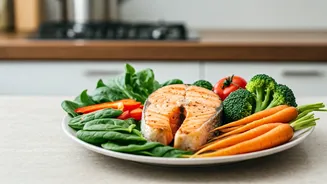
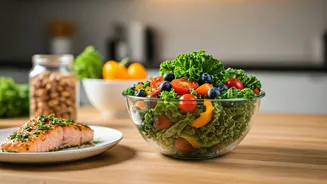
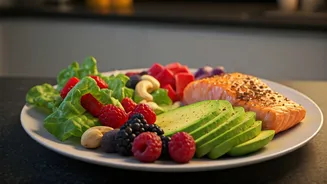
The low-fat craze of the '90s did a lot of damage, convincing us that fat is the enemy. In reality, healthy fats are essential for satiety and flavor. They make food taste rich and satisfying. A drizzle of high-quality extra-virgin olive oil over a tomato salad, a few slices of avocado on whole-wheat toast, or a salmon fillet baked with lemon and dill—these fats carry flavor and signal to your brain that you’re eating a substantial meal. Instead of a watery, fat-free dressing, try a simple vinaigrette made with olive oil, vinegar, and a touch of mustard. It’s healthier and infinitely more delicious.
5. Reframe “Restriction” as “Addition”
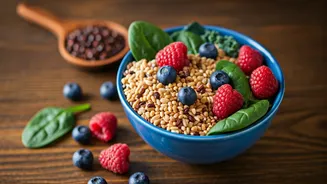
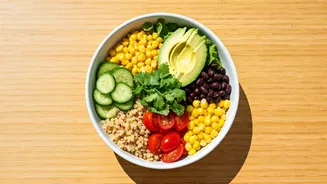
A fitness-focused mindset often revolves around what you *can't* eat. Flip that script. Instead of thinking, “I need to eat less pasta,” think, “How can I add more nutrients to this dish?” You can still have your pasta, but maybe you use a slightly smaller portion and bulk it up with a mountain of sautéed spinach, mushrooms, and zucchini. Instead of a plain bowl of oatmeal, add berries for antioxidants, chia seeds for fiber and omega-3s, and a scoop of protein powder to keep you full. This “crowding out” method focuses on abundance, not deprivation, making your healthy habits feel like an upgrade, not a sacrifice.
6. Build a “Flavor Toolbox”
Keep a small arsenal of flavor bombs on hand to rescue any potentially boring meal. This doesn't have to be complicated. A good-quality balsamic glaze can elevate roasted vegetables or chicken. A jar of sun-dried tomatoes adds instant umami and tang to salads and grain bowls. Toasted sesame oil provides a nutty richness to stir-fries. A tube of tomato paste or a can of chipotles in adobo can form the base of countless sauces and marinades. Having these staples ready means you're only seconds away from transforming a plain protein and vegetable into a meal you actually look forward to eating.