


Start with Life Itself: Plants
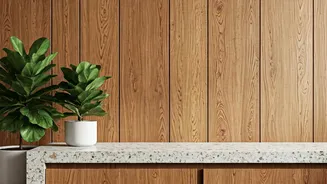
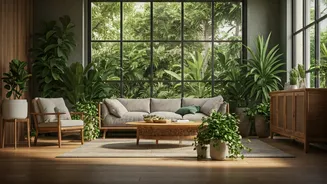
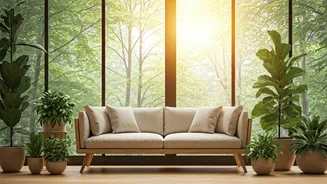
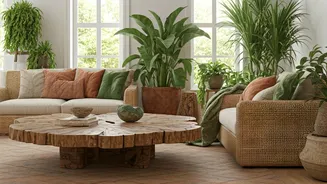
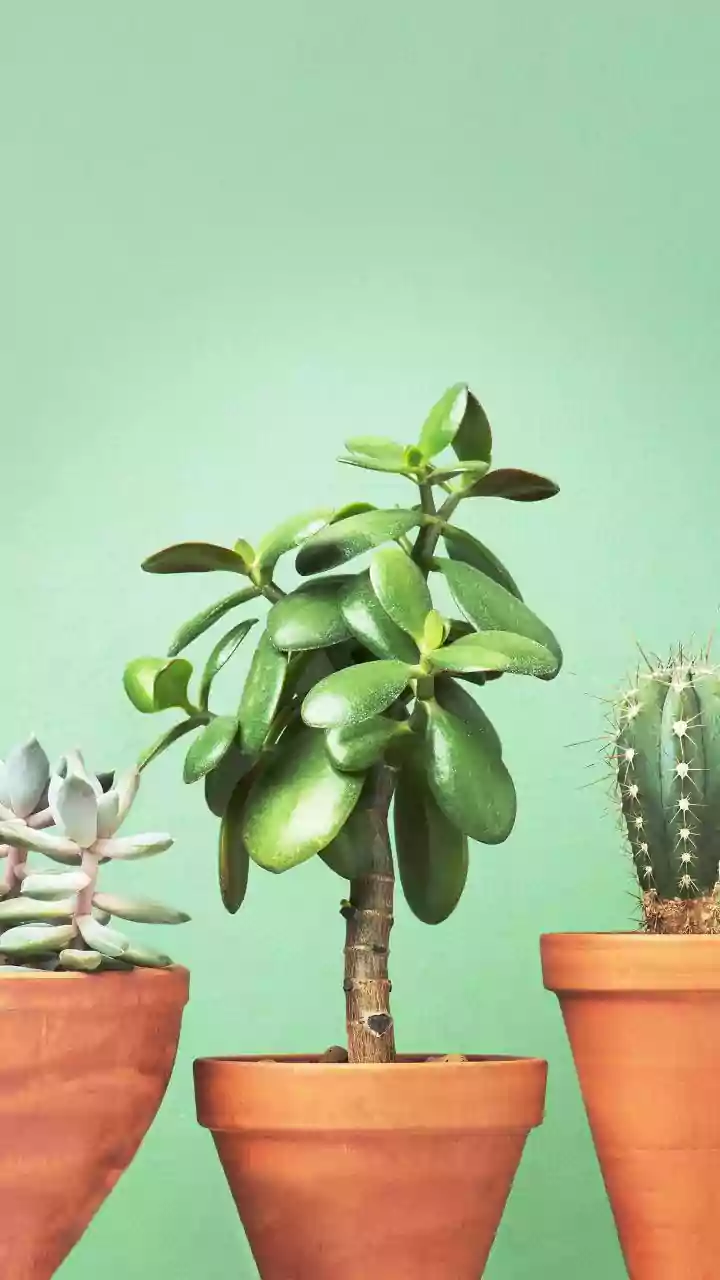
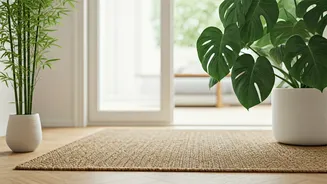
This is the most direct way to invite nature indoors. A few well-placed plants can dramatically change the feel of a room, adding color, texture, and life. The act of caring for them also fosters a connection to natural cycles. You don't need a jungle
to feel the effect. For beginners, low-maintenance options like snake plants, ZZ plants, or pothos are nearly foolproof. For smaller spaces, consider hanging planters or a small herb garden on a windowsill. Plants are scientifically recognized for their ability to purify air and reduce stress, but their greatest gift might be the simple, quiet presence of something growing.
Embrace Natural Materials and Textures
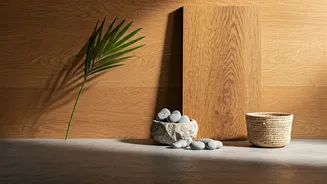
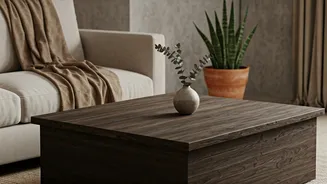
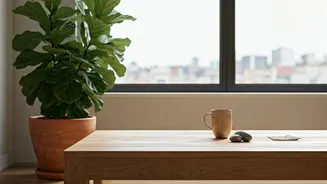
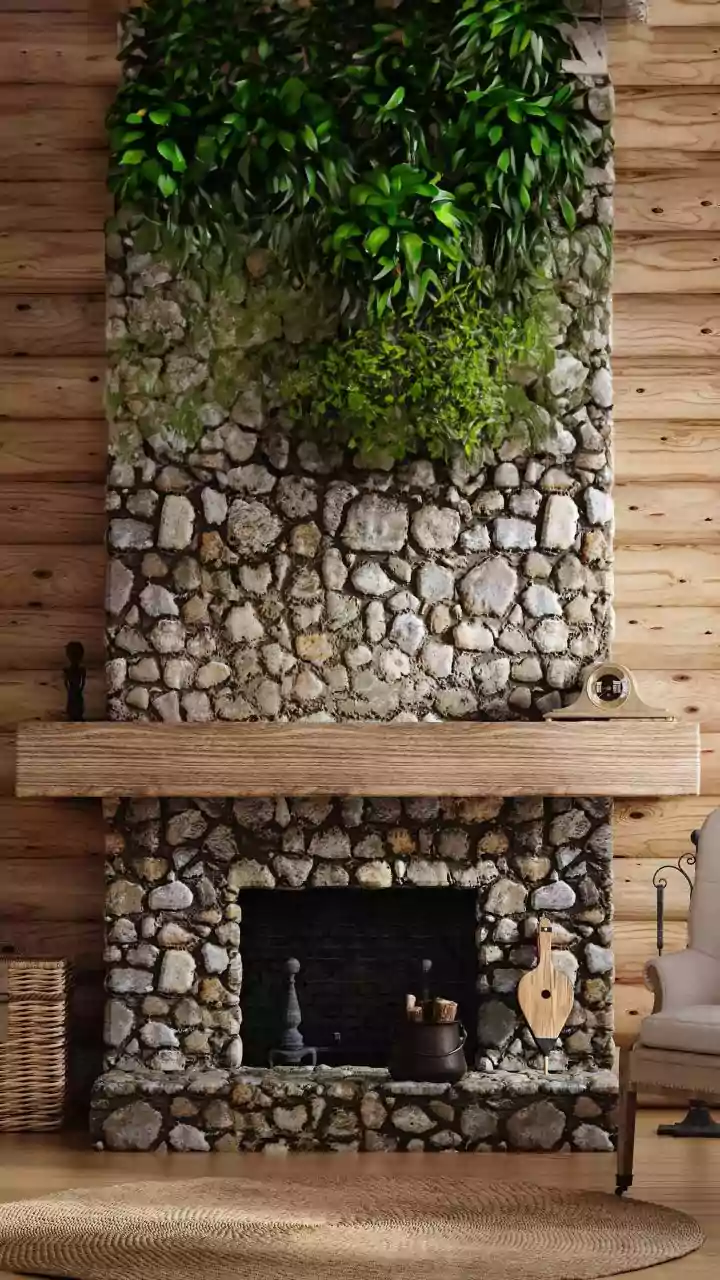
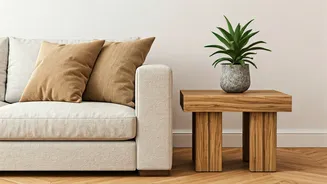
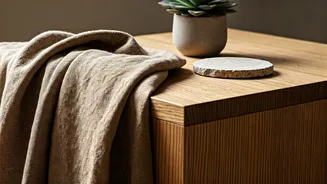
Look beyond plastic and particleboard. Incorporating materials with organic origins grounds a space in authenticity. Think of a solid wood coffee table, a jute or sisal rug, a leather armchair, or rattan baskets for storage. These materials have unique grains, imperfections, and textures that feel warm and inviting to the touch. They age gracefully, developing a patina over time that tells a story. Even small swaps make a difference: a stoneware mug for your morning coffee, a wool throw blanket on the sofa, or linen curtains that diffuse light beautifully. These elements provide a tactile richness that mass-produced synthetic materials simply can't replicate.
Let There Be Natural Light
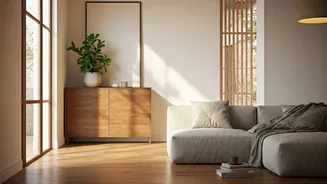
Sunlight is the ultimate mood-booster, and it’s free. Many urban apartments struggle with light, but you can maximize what you have. Start by cleaning your windows—it can make a surprising difference. Swap heavy, dark drapes for sheer or light-filtering curtains that provide privacy without blocking the sun. A strategically placed mirror can also work wonders, bouncing light around a room and creating an illusion of spaciousness. If you have control over paint, choose lighter, warmer colors for the walls to reflect more light. Connecting with the daily rhythm of the sun, from the bright light of midday to the soft glow of dusk, helps sync our own internal clocks and makes a home feel more integrated with the world outside.
Incorporate Nature-Inspired Forms and Patterns
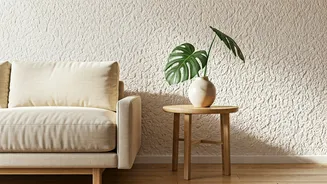
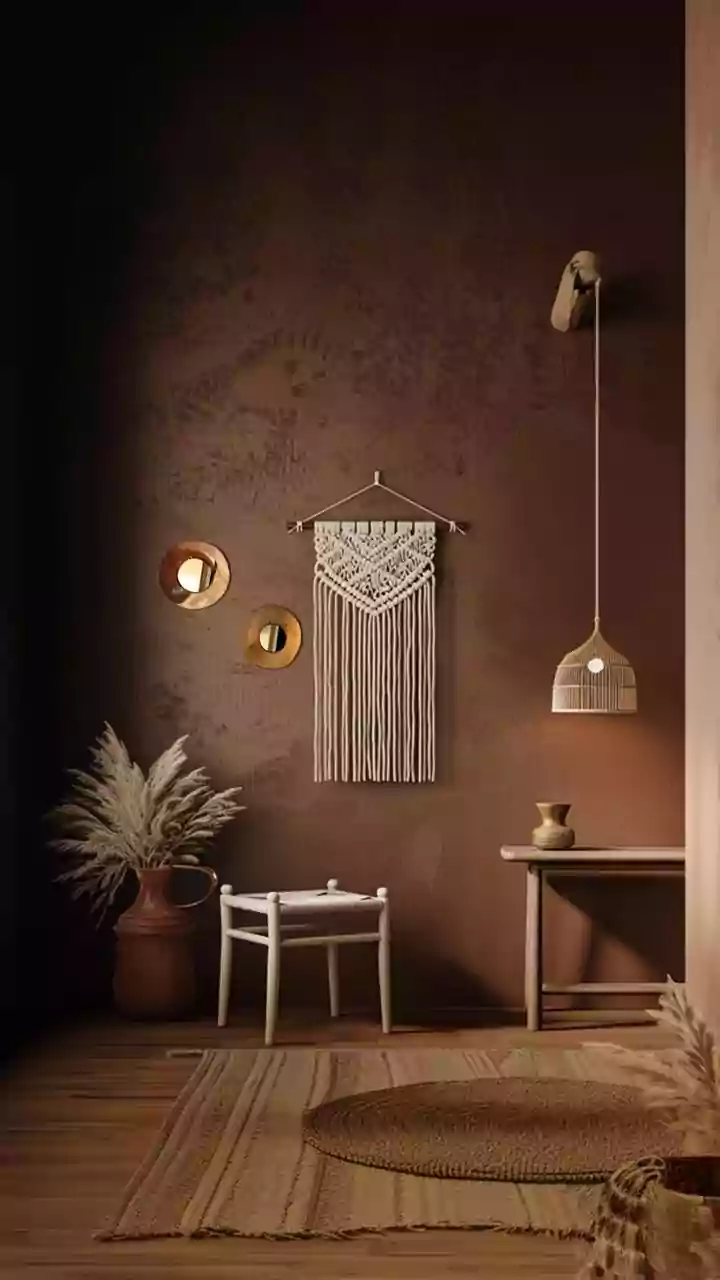
Nature rarely deals in perfectly straight lines and right angles. You can soften the hard geometry of a typical room by introducing organic shapes. This can be as simple as a round mirror, a live-edge wooden shelf, or a vase with a curved, sculptural form. Pay attention to patterns, too. Look for textiles—cushions, rugs, or artwork—that feature botanical prints, subtle animal patterns, or motifs that evoke waves, leaves, or stone. These visual cues tap into a concept known as biophilia, our innate tendency to seek connections with nature. Even abstract representations of the natural world can create a sense of calm and complexity that our brains find inherently appealing.
Engage the Other Senses
Making a home feel human isn't just about what you see. Engage your sense of smell with natural scents like essential oil diffusers with pine or lavender, beeswax candles, or a simple bowl of potpourri. These are far more subtle and pleasant than synthetic air fresheners. Consider sound, too. If your apartment allows for it, a small tabletop fountain can provide the gentle, soothing sound of running water, masking traffic noise and fostering tranquility. The crackle of a wooden wick candle or the rustle of leaves on a potted ficus tree can also add a layer of organic ambiance. These sensory details work together to create an immersive, calming environment that feels like a true sanctuary from the urban hustle.