






So, What Is This Trend?
Call it the 'peasant diet,' 'recession recipes,' or simply 'back-to-basics eating.' The name doesn’t matter as much as the philosophy. At its core, this trend is a move away from expensive, processed foods and toward the simple, whole-food staples that
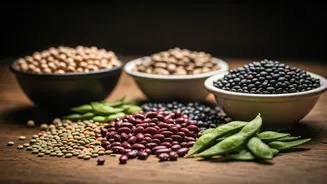
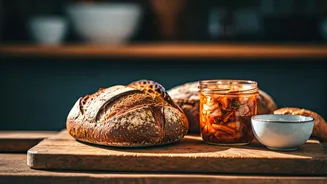
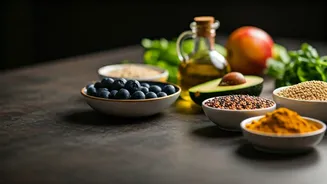
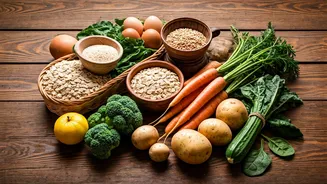
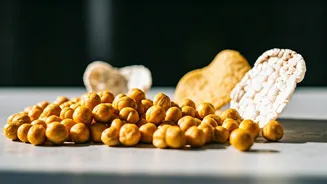
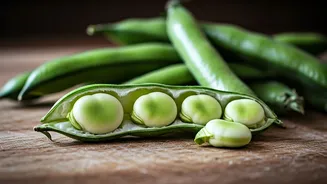
sustained people for centuries. Think of the rustic, delicious meals from Mediterranean, Eastern European, or Latin American cultures before industrial food took over: hearty lentil soups, flavorful bean stews, rustic whole-grain breads, and plates filled with seasonal vegetables.It’s not a restrictive diet with a celebrity spokesperson. It’s a flexible framework built on affordability and nutrition. This approach prioritizes foods that are cheap, filling, and packed with nutrients. Legumes, whole grains, root vegetables, and seasonal produce become the stars of the plate, while meat, fish, and dairy are used more sparingly, often as a flavor accent rather than the main event. It's the opposite of a fad diet; it's a time-tested way of eating that modern households are rediscovering out of necessity and a desire for simplicity.
Why Is It Taking Over Now?
The answer is simple: inflation. With the cost of groceries skyrocketing, many Americans are finding that their old shopping habits are no longer sustainable. A cart full of packaged snacks, pre-made meals, and prime cuts of meat can easily double a weekly food budget. This economic pressure has forced a collective rethink of what it means to eat well.But it’s not just about the money. There’s a cultural fatigue with the wellness industry. For years, 'healthy eating' has been marketed as a luxury good—something that requires expensive superfoods, boutique ingredients, and complicated recipes. This new trend is a quiet rebellion against that idea. It posits that true wellness isn’t found in a $15 smoothie, but in a simple, home-cooked bowl of black beans and rice. Social media platforms like TikTok have amplified this, with creators sharing 'Depression-era recipes' or 'peasant meals' that are not only cheap but surprisingly delicious, reaching millions who are hungry for an alternative.
The Pillars of Eating Simply
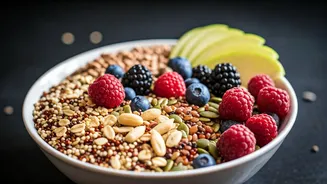
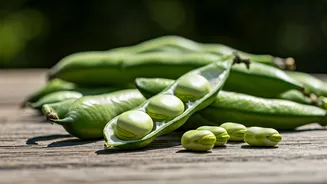
Adopting this way of eating doesn't require a manual, but it does center on a few key principles. First, embrace legumes. Lentils, chickpeas, black beans, and their many cousins are nutritional powerhouses, packed with protein and fiber for pennies per serving. Learning to make a great lentil soup or a flavorful chickpea curry is a foundational skill.Second, make whole grains your friend. Oats, barley, brown rice, and whole-wheat bread are far more filling and nutritious than their refined counterparts. They provide slow-release energy and keep you full for longer, reducing the urge for pricey snacks. Third, shop with the seasons. A tomato in January that’s been shipped across the globe will always be more expensive and less flavorful than a zucchini in August from a local farm. Eating seasonally aligns your menu with nature’s abundance, which is almost always the most affordable option. Finally, rethink meat. Instead of a giant steak being the center of the meal, use smaller amounts of bacon, sausage, or chicken to add deep flavor to a large pot of beans or vegetables.
Getting Started Without the Stress
The beauty of this 'trend' is its flexibility. You don’t need to purge your pantry and start from scratch. Instead, try making small, incremental changes. Start with 'Meatless Mondays' and build a meal around beans or lentils. Challenge yourself to create a delicious dinner for four people for under $10. You’ll be surprised how achievable it is.Explore the bulk bins at your grocery store for grains and spices, which are often cheaper than packaged versions. Master one or two simple, versatile recipes—like a big-batch chili or a vegetable frittata—that you can rely on during a busy week. And most importantly, learn to love your leftovers. The best part of a big pot of soup is that it tastes even better the next day, saving you both time and money. It’s a shift in mindset from seeking novelty to embracing the profound satisfaction of simple, well-made food.