




The Shadow of the Wonder Drugs
It’s impossible to discuss modern weight loss without acknowledging the seismic impact of GLP-1 agonists like semaglutide (Ozempic, Wegovy) and tirzepatide (Mounjaro, Zepbound). These injectable medications, originally for diabetes management, have proven
remarkably effective for weight reduction by curbing appetite and slowing digestion. Their rise has been meteoric, celebrated on social media and embraced by many as a long-awaited medical breakthrough for obesity. For millions of Americans, they represent a powerful new tool. But their dominance has also cast a long shadow, creating a set of new problems and prompting a quiet but firm pushback from those seeking a different path.
Cracks in the Pharmaceutical Fix
The turn away from a purely pharmaceutical solution is driven by several practical and philosophical concerns. First is the staggering cost. Without insurance coverage, these drugs can run over $1,000 per month, putting them far out of reach for the average person. Even with coverage, insurers are increasingly tightening requirements. Then there are the side effects, which can range from persistent nausea and digestive distress—affectionately termed “Ozempic face” or “Ozempic body” due to rapid fat and muscle loss—to more serious complications. Perhaps the biggest factor is the issue of permanence. GLP-1 drugs are not a cure; they are a treatment. Studies show that when people stop taking them, the weight often comes roaring back. This reality has many asking if they want to sign up for a lifetime dependency on an expensive medication.
The New Emphasis: Muscle and Metabolism
The “no-Ozempic” approach isn't just a rehash of 1990s low-fat diets. The most significant shift is a focus away from simple calorie restriction and toward building a robust metabolism. The new centerpiece of this philosophy is strength training. Experts and influencers in this space argue that building and maintaining muscle mass is the key to long-term metabolic health. Muscle is more metabolically active than fat, meaning it burns more calories at rest. By prioritizing resistance training, people are not just trying to shrink their bodies but are actively trying to change their body composition. This makes the body more efficient at processing sugar, improves insulin sensitivity, and creates a stronger, more resilient physique—a stark contrast to the muscle loss sometimes associated with rapid, medication-induced weight drop.
Rethinking Food: Protein, Fiber, and Whole Foods
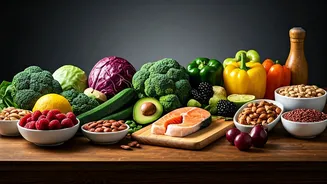
Alongside lifting weights, the nutritional component of the no-Ozempic movement is also more sophisticated than simply “eating less.” The emphasis is on satiety and blood sugar stability. This translates to prioritizing protein, which is highly satiating and essential for muscle repair and growth. A typical recommendation is to consume at least 30 grams of protein per meal. Fiber is the other hero ingredient, found in vegetables, fruits, and legumes. It slows digestion, feeds good gut bacteria, and helps manage blood sugar spikes, mimicking some of the natural effects that GLP-1 drugs produce pharmacologically. The overall approach champions whole, unprocessed foods not as a restrictive “diet” but as the foundational fuel for a high-functioning body.
Choosing Sustainability Over Speed
Ultimately, the renewed interest in non-pharmaceutical weight loss is about choosing a different set of values. It prioritizes building sustainable habits over seeking a quick fix. It’s a bet on the long-term benefits of strength, metabolic flexibility, and a healthy relationship with food. While GLP-1 drugs offer a powerful solution for many, particularly those with severe health complications from obesity, they are not a one-size-fits-all answer. The conversation is evolving to recognize that for some, the most empowering path is the one that builds health from the inside out, one workout and one whole-food meal at a time.