

The Allure of the Unripe
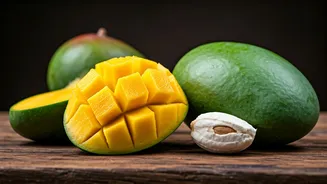
When we think of mangoes in the U.S., we usually picture the sweet, golden-fleshed fruit that drips juice down your chin. But in many parts of the world, particularly in Southeast Asia, India, and Latin America, the mango is just as beloved in its green,
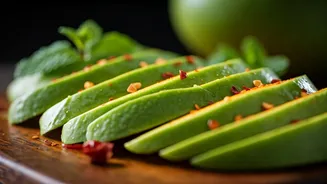
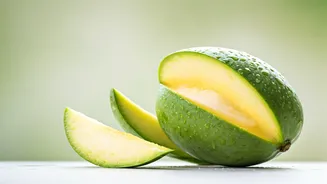
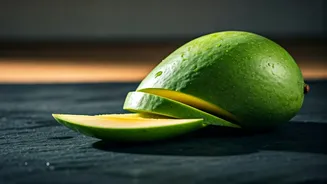
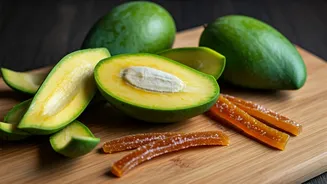
unripe state. Raw mangoes are not simply sweet mangoes that haven't ripened yet; they are often specific varieties harvested for this purpose. Their flesh is firm, crisp, and pale greenish-white, with a flavor profile that’s decidedly sour and bracingly tart, with just a whisper of tropical sweetness. This isn't a defect—it's an entirely different ingredient with its own unique set of culinary superpowers. Instead of a dessert fruit, think of it as a vegetable-like component, closer in function to a crisp apple or a zesty lime.
Your New Secret Weapon: Acidity
The single most important quality of raw mango is its bright, clean acidity. Home cooks often reach for lemon juice or vinegar to balance a rich dish, cut through fat, or add a pop of flavor. Raw mango does all of this and more. Its tartness is less one-dimensional than a lime and carries a subtle, fruity undertone that adds complexity. This acidity makes it a dynamic ingredient. It can brighten up a heavy curry, provide the perfect counterpoint to salty grilled meats, and lift a simple salad into something special. When you want to add that chef-level touch of brightness that makes a dish taste complete, a handful of shredded raw mango is an incredible tool to have in your arsenal.
The Ultimate Salad and Slaw Upgrade
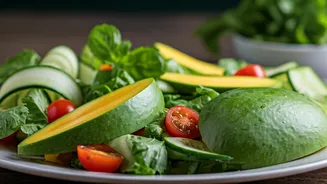
Perhaps the most direct and rewarding way to use raw mango is in a salad. The classic Thai green mango salad (Som Tum Mamuang) is a masterclass in flavor balance, combining shredded raw mango with fish sauce, lime juice, chili, and peanuts for a crunchy, spicy, salty, and sour explosion. But you don't need to stop there. Julienne a raw mango and toss it into your favorite coleslaw recipe for an unexpected tang and superior crunch that cabbage alone can't provide. Mix it with shredded carrots, red onion, cilantro, and a light vinaigrette for a refreshing side to barbecue. Its firm texture means it won't turn mushy, even when dressed, making it perfect for picnics and potlucks.
Beyond Fresh: Salsas, Chutneys, and Pickles
Raw mango’s firm flesh and high acidity make it a natural for preserving and cooking. In India, it's the star of countless pickles, or 'achaar,' where it's cubed and preserved in oil and spices. For a simpler approach, create a quick chutney by simmering grated raw mango with a little sugar, ginger, and chili flakes. This condiment is a fantastic accompaniment to roasted chicken or pork. You can also dice it finely to create a vibrant salsa. Combine diced raw mango with red onion, jalapeño, cilantro, and a squeeze of lime juice. This creates a perfect topping for fish tacos, grilled salmon, or just to be scooped up with tortilla chips. The mango provides both the acidic element and the crunchy texture, all in one ingredient.
How to Buy, Store, and Prep
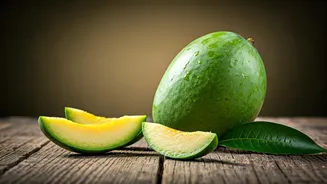
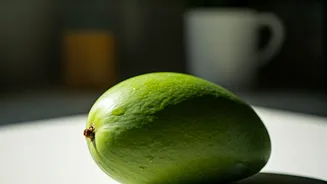
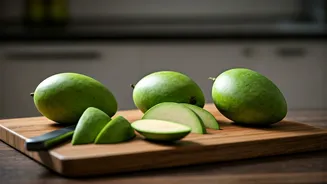
Look for raw green mangoes in Asian, Latin, or international grocery stores, though they are increasingly available in larger supermarkets during the spring and summer. Choose fruits that are uniformly green, very firm to the touch, and heavy for their size. Avoid any with soft spots or blemishes. A ripe mango will feel slightly soft, so you want the complete opposite here. Store them in the refrigerator to keep them from ripening; they can last for a week or more. To prep, simply wash the outside and use a sturdy vegetable peeler to remove the tough green skin. The flesh inside will be a creamy white or pale green. You'll find a hard, flat pit in the center. Work your knife around it, slicing off the 'cheeks' of the mango. From there, you can julienne it, grate it on a box grater, or chop it into a fine dice.