



Welcome to the Wettest Place on Earth
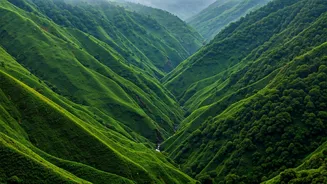
Tucked away in the hills of northeast India, Meghalaya is a world apart from the sprawling cities and desert plains many Americans associate with the country. This is a land of rolling green highlands, deep gorges, and a culture shaped by the monsoon.
Two of its villages, Mawsynram and Cherrapunji (now called Sohra), compete for the title of the wettest place on the planet, receiving over 450 inches of rain annually. For comparison, Seattle gets around 38 inches. But this isn’t a constant, dreary downpour. It’s a dynamic cycle of mist, drizzle, and dramatic showers that nourishes a landscape of almost supernatural vibrancy. The rain is the engine of Meghalaya’s beauty, and arriving without proper gear is like going to a water park in a wool suit.
The Raincoat as Your Adventure Uniform
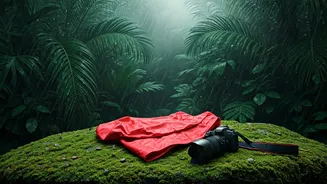
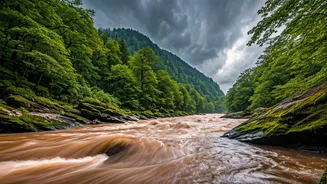
In Meghalaya, a good raincoat is not just for staying dry; it’s your ticket to exploration. The best time to witness the state’s full splendor is during the monsoon season (roughly June to September), when waterfalls are thundering and the hills are draped in a hundred shades of green. A high-quality, breathable rain jacket is essential, as the humidity can make a cheap poncho feel like a personal sauna. Forget the umbrella; winds sweeping through the valleys will render it useless. You’ll be hiking down slick stone steps, crossing misty valleys, and standing in the spray of waterfalls. The goal isn’t to avoid the water entirely—that’s impossible—but to stay comfortable while immersing yourself in it. Paired with waterproof hiking shoes, your rain gear becomes a uniform for adventure in a place where water sculpts every view.
Your Camera’s Memory Card Will Thank You
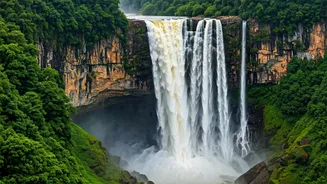
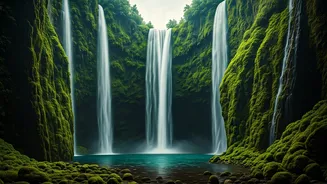
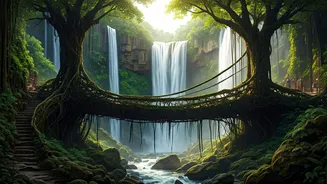
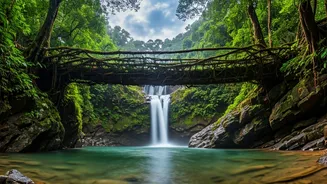
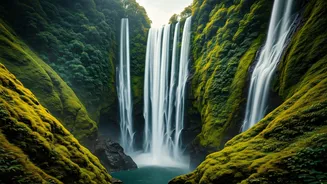
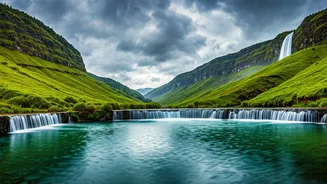
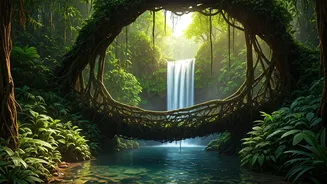
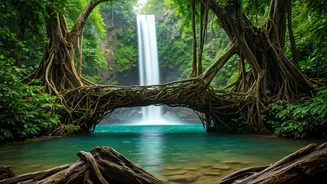
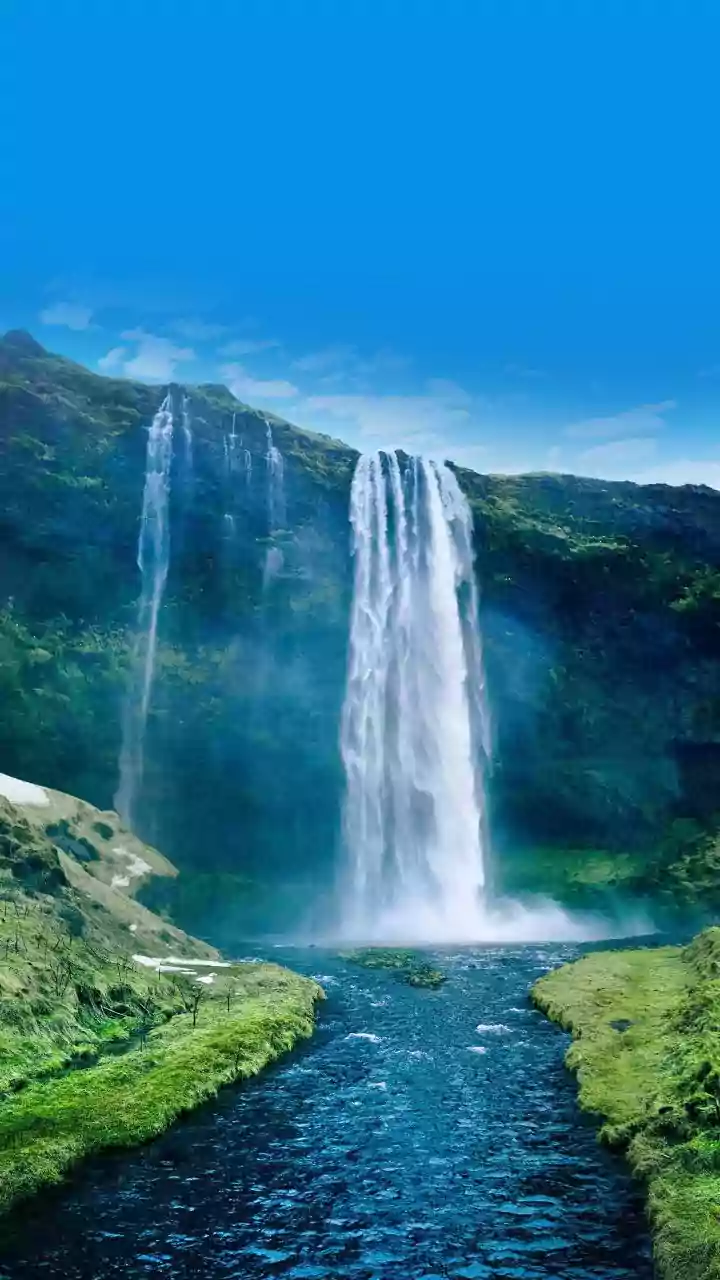
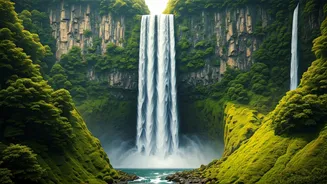
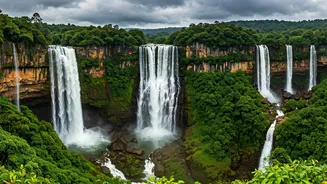
This is where the second half of the headline comes in. Meghalaya is relentlessly, jaw-droppingly photogenic. The constant moisture sustains one of the most incredible examples of natural engineering on Earth: the living root bridges. For centuries, the indigenous Khasi and Jaintia peoples have guided the aerial roots of rubber fig trees across rivers, weaving them into sturdy, living structures that only grow stronger over time. The most famous of these, the Umshiang Double-Decker Root Bridge, is a sight that feels pulled from a fantasy novel. Then there are the waterfalls. Nohkalikai Falls, one of India’s tallest plunge waterfalls, drops dramatically from a limestone cliff into a turquoise pool below. The Seven Sisters Falls cascade side-by-side down a jungle-clad gorge. Every turn in the road seems to reveal another misty valley or roaring cascade, each demanding a photo.
Beyond the Waterfalls: Caves and Culture
While rain and water define the landscape, there’s more to explore. Meghalaya is home to some of the longest and most complex cave systems in India. Mawsmai Cave is the most accessible for tourists, offering a thrilling (and sometimes tight) walk through illuminated limestone caverns filled with stalactites and stalagmites. For the more adventurous, a web of wilder, unlit caves awaits, best explored with a local guide. The region is also home to fascinating matrilineal societies, where lineage and inheritance are traced through women. Visiting local markets in towns like Shillong, the state capital, offers a glimpse into a culture that is distinct, warm, and welcoming. Trying the local Khasi cuisine, with its emphasis on smoked meats and unique herbs, is a must.
Packing and Planning for Paradise
A trip to Meghalaya requires a shift in mindset. You are not just visiting a place; you are stepping into an ecosystem. Your packing list should reflect this. In addition to the critical raincoat and waterproof footwear, pack quick-drying clothes (synthetics are better than cotton), a waterproof bag or cover for your backpack and electronics, and a portable power bank for your phone and camera. The photographic opportunities are endless, so bring extra batteries and memory cards. You will fill them faster than you can imagine. Plan for slower travel days; roads can be winding and weather can cause delays, but that’s part of the experience. The reward is a journey into a landscape that feels ancient, mystical, and profoundly alive.