






An Urban Fitness Boom
For Americans accustomed to ubiquitous yoga studios and 5K races, it’s easy to forget that this level of public fitness culture is a relatively recent phenomenon in many parts of the world. In India’s bustling metropolitan centers like Delhi, Mumbai,
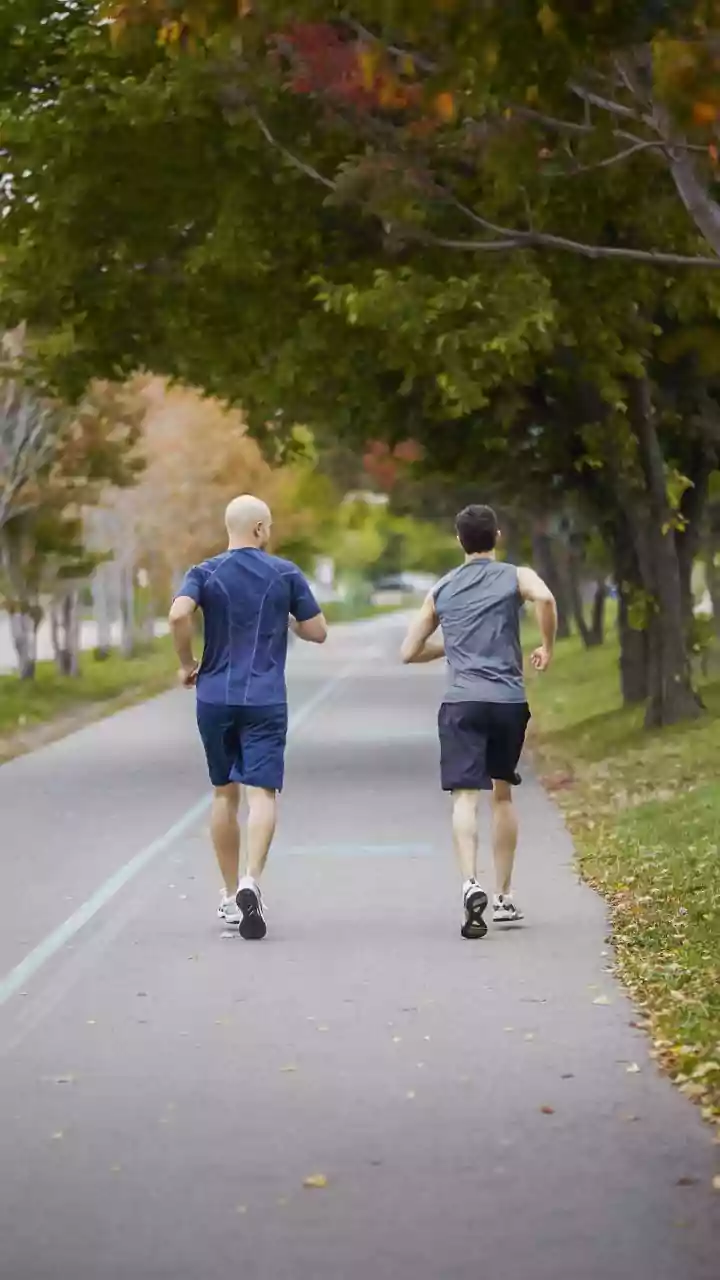
and Bangalore, a massive wellness movement has taken root over the last decade. Fueled by a growing, globally-connected middle class with more disposable income and a heightened awareness of lifestyle diseases, the demand for gyms, personal trainers, and organized fitness activities has exploded. Marathons that once drew a few hundred now attract tens of thousands. Boutique fitness classes, from CrossFit to Pilates, are popping up in trendy neighborhoods. This isn't just about physical health; it's a cultural shift. For many urban Indians, fitness has become a social activity, a status symbol, and a way to manage the stresses of modern city life. It’s within this new landscape that a furry, four-legged participant has started to make a very welcome appearance.
Enter the Four-Legged Fitness Partner
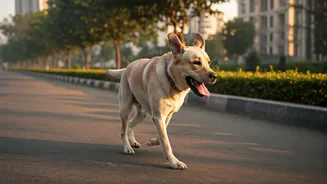
The idea of bringing a pet into a structured fitness environment is gaining serious traction. The most photogenic example is “doga,” or dog yoga. Studios in major cities now host special sessions where owners and their dogs can practice together. The focus is less on canine contortions and more on bonding, stretching, and massage. It’s a gentle, playful activity that strengthens the human-animal connection while offering a low-impact workout. Beyond the yoga mat, dogs are becoming common companions in other fitness pursuits. Pet-friendly running clubs and “dogathons”—charity runs for people and their pets—are increasingly popular weekend events. These organized runs provide a safe, communal space for owners to exercise with their dogs, a challenge in cities where green space is limited and off-leash areas are scarce. Hiking groups that welcome canine members are also on the rise, taking advantage of the hills and nature reserves on the outskirts of urban sprawls. What started as a niche novelty is quickly becoming a fixture of the urban wellness scene.
More Than Just a Workout
The integration of dogs into fitness speaks to a deeper social change: the evolving role of pets in Indian society. Traditionally, dogs in India were often kept as outdoor guard animals. But among the urban middle and upper classes, a dramatic shift towards “pet parenting” has occurred. Dogs are no longer just animals; they are family members, or “fur babies,” living indoors and receiving a high level of care and emotional investment. This new dynamic is a key driver of the dog-centric fitness trend. For many young professionals living alone or in nuclear families, a pet is a crucial source of companionship that mitigates urban loneliness. Including them in a workout isn't just for the dog’s health; it’s a way for the owner to spend quality time with their companion, improve their own mental well-being, and socialize with other like-minded pet owners. The joy, laughter, and unconditional affection dogs bring to these activities transform a grueling workout into a shared, positive experience.
A Sign of a Changing India
While it may seem like a lighthearted trend, the rise of doga and dog-friendly 5Ks is a fascinating barometer of modern India. It reflects the convergence of several major forces: globalization, which brings Western lifestyle trends like boutique fitness and pet humanization; economic growth, which gives people the means to invest in their health and their pets’ well-being; and urbanization, which creates both the demand for stress-relieving activities and the communities that form around them. This isn't simply a copy-and-paste of American or European culture. It’s being adapted with a distinct Indian flavor, often incorporating elements of local community and a focus on holistic well-being that goes beyond just physical results. By watching how something as simple as exercising with a dog becomes popular, we get a ground-level view of how Indian society is navigating modernity, redefining family, and creating new traditions in its ever-growing cities.