



The Golden Age of the 'Teatox'
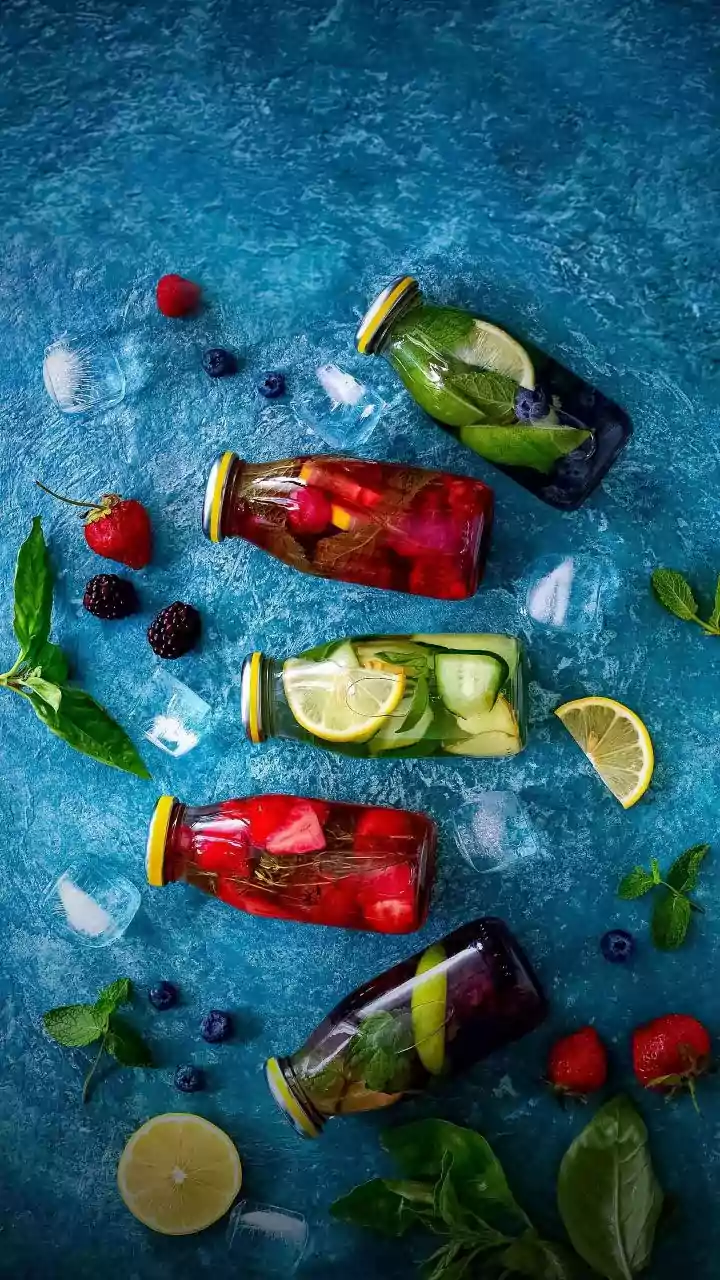
Remember the formula? A smiling influencer holds a branded pouch of tea, promising it will “flush toxins,” reduce bloating, and reveal hidden abs, all in a matter of days. For years, the wellness market was saturated with these products. From expensive,
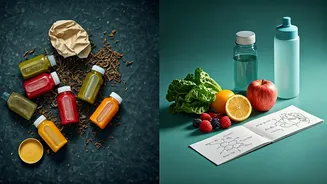
celebrity-endorsed juice fasts that left people hungry and irritable to charcoal-infused everything and mysterious foot pads that claimed to draw out impurities overnight, the 'detox' industry was booming. It capitalized on a simple, powerful desire: a reset button. After a weekend of indulgence or a period of feeling sluggish, the idea of a product that could magically wipe the slate clean was almost irresistible. The marketing was brilliant, leveraging insecurity and a fundamental misunderstanding of human biology to sell products that offered dramatic, short-term results—most of which were just water weight loss from laxative herbs.
Your Body Already Has a PhD in Detox
Here’s the secret the multi-billion dollar detox industry doesn’t want you to know: you already own the most sophisticated purification system on the planet. It’s called your body. Your liver, kidneys, lungs, lymphatic system, and even your skin are constantly working to filter, process, and excrete waste products and toxins. Your liver is a metabolic powerhouse, converting harmful substances into harmless ones that can be flushed out. Your kidneys are expert filters, removing waste from your blood to produce urine. You don’t need a lemon-cayenne concoction to 'cleanse' these organs; you need to support them. Medical experts and registered dietitians have been shouting this from the rooftops for years. There is no credible scientific evidence that any commercial detox product improves the function of these organs. In fact, many can be counterproductive, causing dehydration, electrolyte imbalances, and disrupting the gut microbiome—the very things you want to avoid for good health.
The Rise of the Savvy Consumer
So what changed? In short, we got tired of being duped. The shift away from detox gimmicks is being driven by a more educated and skeptical consumer. Social media, once the primary engine of the detox trend, has also become its biggest critic. A new generation of influencers—registered dietitians, doctors, and certified trainers with actual credentials—rose to prominence, using platforms like Instagram and TikTok to debunk myths in real-time. They armed followers with scientific literacy, explaining the difference between water weight and fat loss, and exposing the potentially dangerous side effects of unregulated supplements and laxative teas. This wave of evidence-based content created a permission structure for people to question the claims they were seeing. The backlash against celebrities promoting these products grew louder, and consumers started demanding transparency and efficacy over empty promises and a pretty package.
From 'Cleansing' to 'Supporting'
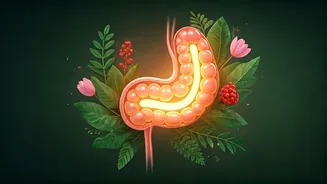
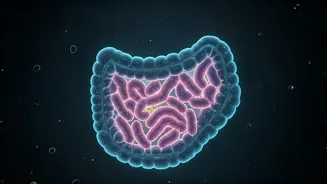
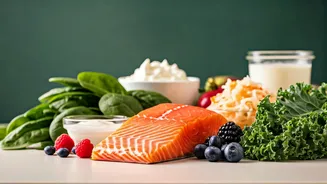
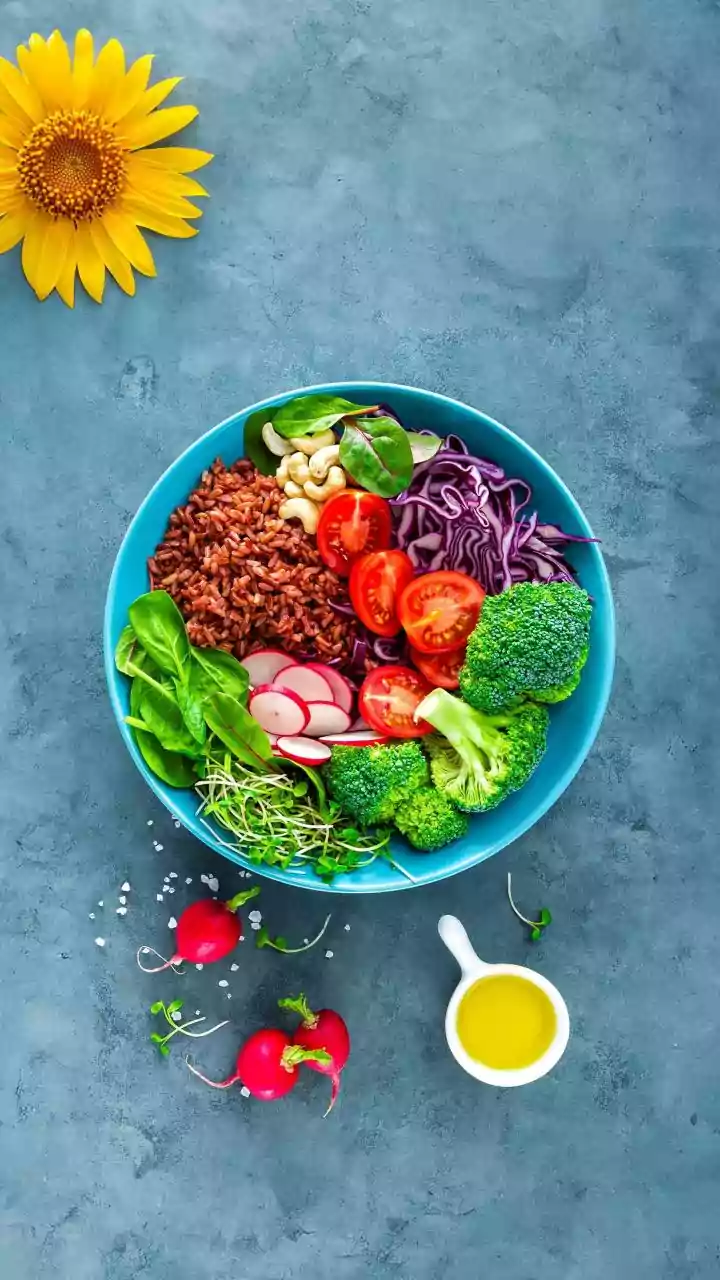
The wellness conversation hasn’t disappeared; it has matured. The vocabulary has shifted from 'detoxing' and 'cleansing' to 'supporting' and 'nourishing.' Instead of buying a quick fix, the fitness-conscious crowd is now investing in sustainable habits that support the body’s innate systems. The new focus is on gut health, with an emphasis on fiber-rich whole foods, prebiotics, and probiotics that feed a healthy microbiome. There's a renewed appreciation for the basics: adequate hydration (with water, not expensive juice), quality sleep, stress management, and consistent movement. People are learning that feeling good isn't about a 3-day punishment; it's about the cumulative effect of daily, healthy choices. Brands are taking notice, too. The marketing language is evolving, with more products emphasizing 'gut support,' 'metabolic health,' and 'cellular function'—terms that, while still needing scrutiny, point toward a more nuanced and biologically accurate approach to well-being.