


The Science of Edible Cool
Let’s be clear: a bowl of slaw won’t actually lower the thermostat. But the sensation of cooling is what we’re chasing, and that’s a game of perception. Our bodies register “cool” not just from temperature but from a combination of factors that crunchy
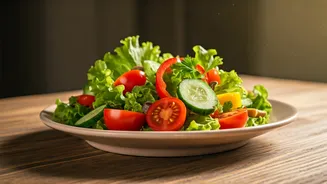
slaw delivers in spades. High water content from vegetables like cabbage and cucumber provides literal hydration. The physical act of crunching is invigorating, a sensory jolt that cuts through heat-induced lethargy. And bright, acidic flavors from vinegar or citrus juice trick our brains into feeling lighter and more refreshed. It's a trifecta of refreshment: hydration, sensation, and acidity. A heavy, mayo-drenched potato salad on a 95-degree day can feel like wearing a sweater; a crisp, vibrant slaw is like stepping into the shade.
The Foundation: More Than Just Cabbage
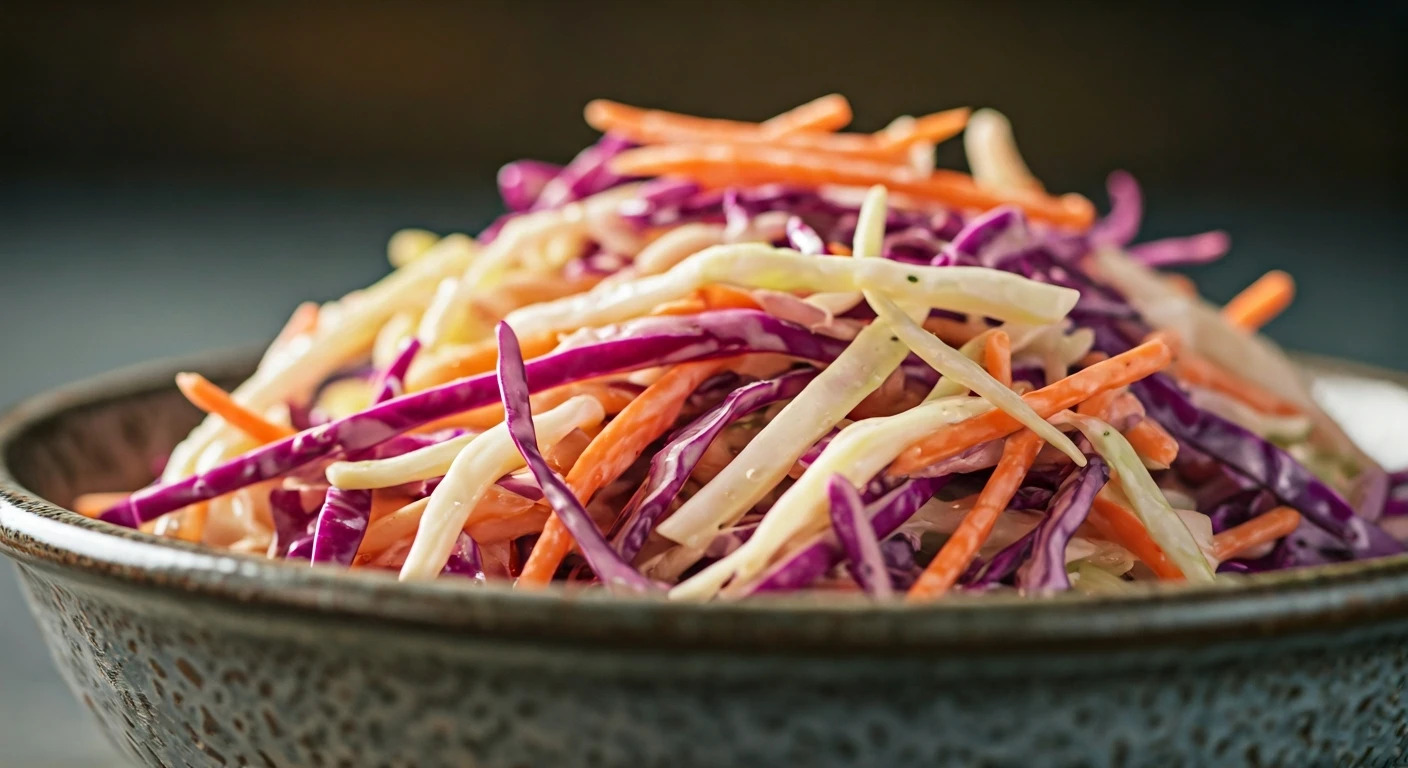
The soul of a great slaw is its crunch, and that starts with the base. While classic green or red cabbage is the undisputed champion—cheap, sturdy, and endlessly versatile—don’t limit your imagination. Think of the base as the structural frame of your edible AC unit. Thinly shaved broccoli stems, often discarded, offer a superior crunch and a slightly sweet, earthy flavor. Kohlrabi, a pale green alien of the vegetable world, is spectacularly crisp and juicy. Even shaved Brussels sprouts, julienned carrots, or thinly sliced fennel can provide the necessary backbone. The key is to slice everything thinly enough to be delicate but to retain that all-important structural integrity. A mandoline is your best friend here, but a sharp knife and a little patience work just as well.
The 'Coolant': Add High-Water Heroes
This is where we turn up the cooling power. Your base provides the crunch, but the “coolant” ingredients are what make the slaw truly refreshing. These are your high-water-content heroes. Think of julienned cucumber (English or Persian varieties have fewer seeds and more crunch), diced watermelon for a sweet and hydrating surprise, or crisp jicama for a subtly sweet, apple-like texture. Even fruits like green apple or underripe mango can add a tart, refreshing snap. And don’t forget the ultimate cooling agent: fresh mint. Thanks to its menthol, mint creates a chemical sensation of cold that is profoundly refreshing on a hot day. Tossing in a handful of chopped mint is like adding a refrigerant boost to your salad.
The Dressing: Keep It Bright and Zesty
The dressing is what ties everything together, and for a cooling slaw, the mantra is simple: acid is your friend. Heavy, mayonnaise-based dressings have their place, but it’s not here. They coat the palate and can feel cloying in the heat. Instead, aim for a vinaigrette that’s bright, light, and almost effervescent. A simple mix of a good-quality oil (like olive or a neutral grapeseed) and a sharp acid is the perfect formula. Rice vinegar offers a clean, mild tang perfect for Asian-inspired slaws. Apple cider vinegar provides a fruitier, more rustic note. Fresh lime or lemon juice brings an unmistakable brightness that screams summer. You can add a touch of sweetness with honey or maple syrup to balance the acid, and a little Dijon mustard to help it emulsify, but the goal is to enhance the vegetables, not smother them.
The Finishing Touches: Texture and Aroma
Your slaw is almost complete, but the final details can elevate it from merely good to truly great. This is your chance to add another layer of texture and an aromatic flourish. Fresh, soft herbs like cilantro, parsley, or dill add a burst of flavor that complements the crisp vegetables. Toasted nuts and seeds—think sesame seeds, slivered almonds, or sunflower seeds—provide a deeper, richer crunch that contrasts beautifully with the fresh snap of the slaw. A sprinkle of flaky sea salt right before serving ensures every bite pops. These aren't just garnishes; they are integral components that complete the cooling experience, making each forkful a complex and satisfying escape from the heat.