

Beyond Wheat and Rice
For decades, the story of Indian food, both at home and abroad, was dominated by a handful of staples: fluffy basmati rice and versatile wheat flour, the building blocks of naan, roti, and countless other breads. This was largely the result of the Green
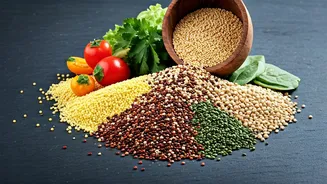
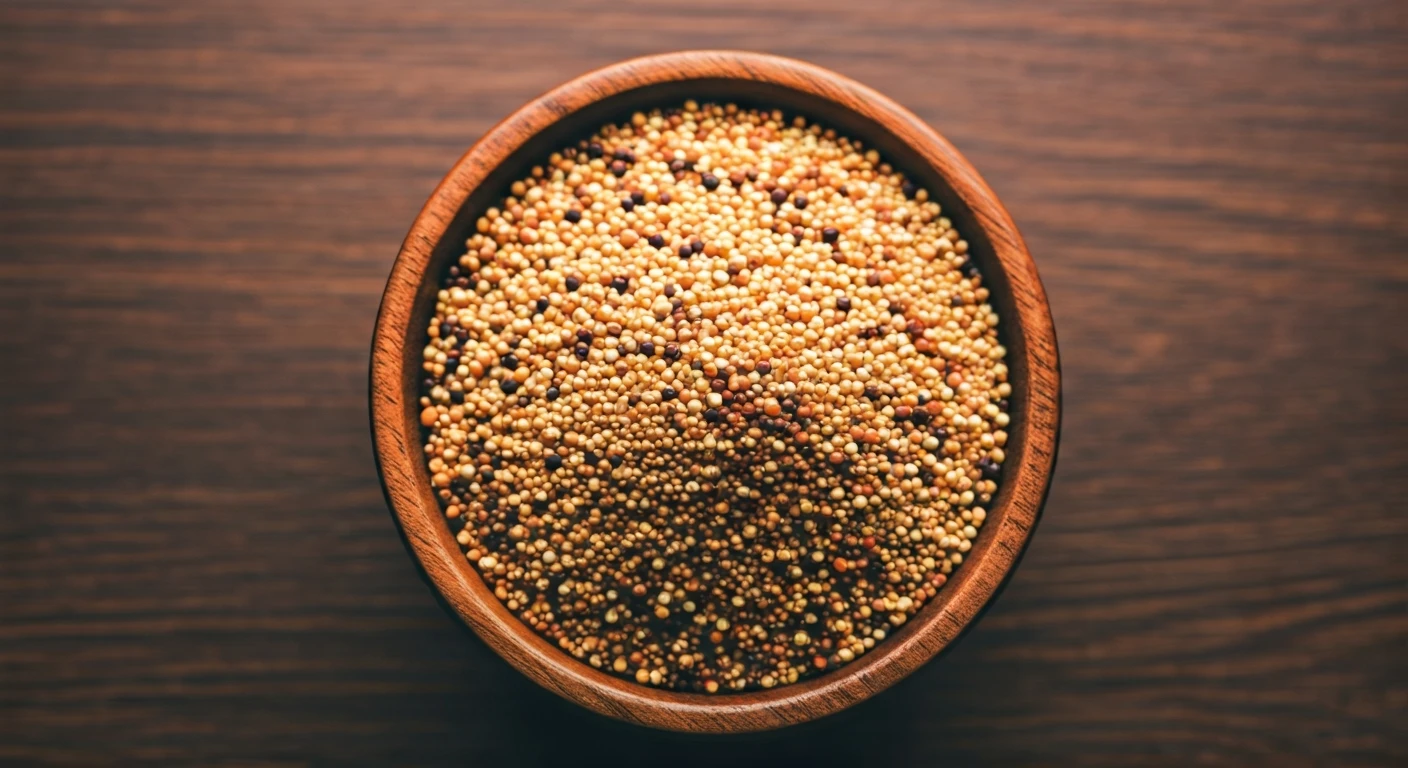
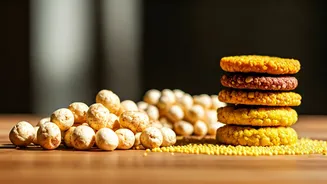
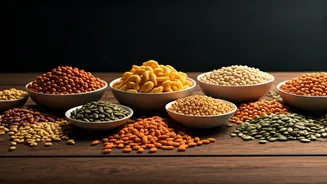
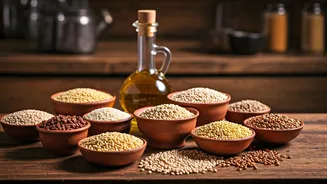
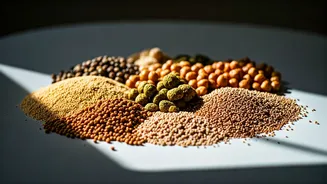
Revolution in the 1960s and '70s, which prioritized high-yield wheat and rice to ensure food security. While successful in feeding a nation, it inadvertently pushed a vast and diverse pantry of regional grains to the sidelines. The 'ancestral diet' movement is a direct response to this uniformity. It’s a return to what people ate before this agricultural shift: a colorful array of millets like jowar (sorghum), ragi (finger millet), and bajra (pearl millet). It also champions unpolished rice, traditional legumes, and the use of cold-pressed oils and ghee (clarified butter) over modern refined vegetable oils.
A Prescription for Modern Ailments
A major driver of this trend is the global wellness boom, which found fertile ground in India, a country grappling with rising rates of diabetes, heart disease, and other lifestyle-related illnesses. The modern, urban diet, rich in processed foods, sugar, and refined carbohydrates, is often seen as the culprit. In contrast, ancestral ingredients are nutritional powerhouses. Millets are naturally gluten-free, high in fiber, and packed with protein and micronutrients. They have a lower glycemic index than refined wheat and rice, making them a smarter choice for managing blood sugar. Ghee, once demonized as an unhealthy fat, is being rehabilitated for its healthy fatty acids and high smoke point. This isn't just about nostalgia; it’s a pragmatic shift toward foods perceived as cleaner, more nutritious, and better suited to preventing the ailments of modern life.
Reclaiming Culinary Identity
This movement is about more than just nutrition; it's deeply intertwined with cultural identity. For many within India, embracing these traditional foods is a form of culinary decolonization—a rejection of both Western dietary fads and the post-independence homogenization of their own cuisine. It’s a way to celebrate regional biodiversity and reclaim the wisdom of grandmothers who knew how to cook with local, seasonal ingredients. For the vast Indian diaspora in the U.S. and elsewhere, cooking with millets or making ghee at home can be a powerful act of connection to a heritage they may feel distanced from. It moves beyond the standard restaurant fare of chicken tikka masala, offering a deeper, more authentic taste of home.
From Humble Grain to Gourmet Staple
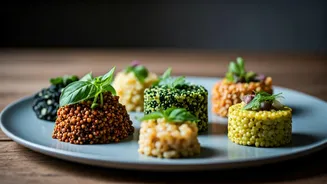
What truly signals a trend is when an idea moves from niche health food stores to the mainstream, and that’s exactly what’s happening. The United Nations declaring 2023 the International Year of Millets provided a massive global platform, elevating these 'poor man's grains' to international prominence. In India, upscale restaurants now feature millet risottos and ragi crepes on their menus. Supermarket aisles are stocked with millet-based pasta, cookies, and breakfast cereals. Influencers on Instagram share recipes for vibrant bajra salads and jowar-flour pizzas. This isn't about re-creating the past verbatim. It's about adaptation. The modern Indian kitchen isn't just reviving old ingredients; it's integrating them into contemporary lifestyles, making them accessible, convenient, and, most importantly, delicious for a new generation.