





The Ten-Minute Fitness Fix
Forget blocking out 90 minutes for a commute and a gym session. The micro-workout, sometimes called 'exercise snacking,' is built on the principle that small, consistent bursts of activity can be surprisingly effective. This isn't about replacing marathon
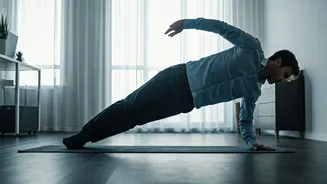
training; it's about combating a sedentary life one small win at a time. Think ten minutes of bodyweight squats between Zoom calls, a five-minute plank while waiting for a file to download, or a brisk walk around the block to break up a coding session. In cities like Bengaluru and Mumbai, where professionals face long hours and intense pressure, trainers and wellness apps are increasingly marketing these bite-sized routines. They are designed to be done anywhere, with minimal or no equipment, fitting seamlessly into the fragmented schedule of a modern worker. The appeal lies in its accessibility. It lowers the barrier to entry for fitness, removing the common excuses of 'no time' and 'no gym membership.'
Inside India’s Gig Economy Boom
To understand why micro-workouts are taking hold, you have to look at how India works now. The country is one of the world's largest and fastest-growing markets for freelance talent, with millions of people working as independent contractors in tech, design, content creation, and consulting. This isn't just a niche for creatives; it's a massive economic force. While freelancing offers flexibility, it often comes at a cost: the erosion of boundaries. There is no 'punching out' at 5 p.m. The pressure to be constantly available for clients across different time zones can lead to erratic, and often longer, working hours. Unlike a traditional office job with a clear start and end, the freelance day is a porous, unpredictable landscape of deadlines, client calls, and administrative tasks. This 'always-on' culture leaves little room for the structured, pre-planned wellness routines that a 9-to-5 job might accommodate.
When Your Home Becomes Your Office
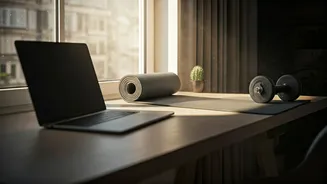
The rise of freelancing in India has meant the rise of the home office. For many, the dining table or a corner of the bedroom is now their primary workspace. This shift eliminates the daily commute—which in a traffic-clogged Indian metropolis could be a significant source of passive activity—and replaces it with an intensely sedentary existence. Without the built-in movement of walking to a metro station, climbing office stairs, or even just strolling to a nearby lunch spot, freelancers can find themselves sitting for ten or twelve hours a day. This is where the micro-workout becomes less of a trend and more of a necessity. It’s a deliberate strategy to re-introduce movement into a day that has been stripped of it. It’s a tool for breaking the hypnotic lull of the screen, boosting blood flow to the brain, and managing the physical and mental strain that comes from blurring the lines between living and working spaces.
A Global Solution for a Modern Problem
While this trend is particularly visible in India, the forces driving it are global. The United States has seen its own explosion in freelance and remote work, accelerated by the pandemic. Workers everywhere are grappling with the same challenges: digital fatigue, social isolation, and the difficulty of carving out personal time when your office is always within reach. The Indian micro-workout phenomenon serves as a powerful case study for how societies adapt to new ways of working. It suggests that as our careers become more decentralized and flexible, our approach to personal wellness must follow suit. The rigid, one-size-fits-all model of the past is giving way to something more modular, personalized, and integrated into the flow of daily life. This isn't just about squeezing in a few push-ups; it's about redesigning self-care for the 21st-century economy.