


1. The Gentle Power of Low-Impact
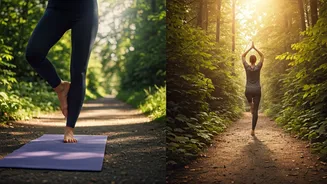
Remember when every fitness influencer was promoting high-intensity interval training (HIIT) that left you gasping on the floor? That era is giving way to a gentler, more sustainable approach. Low-impact exercise is surging in popularity, not because
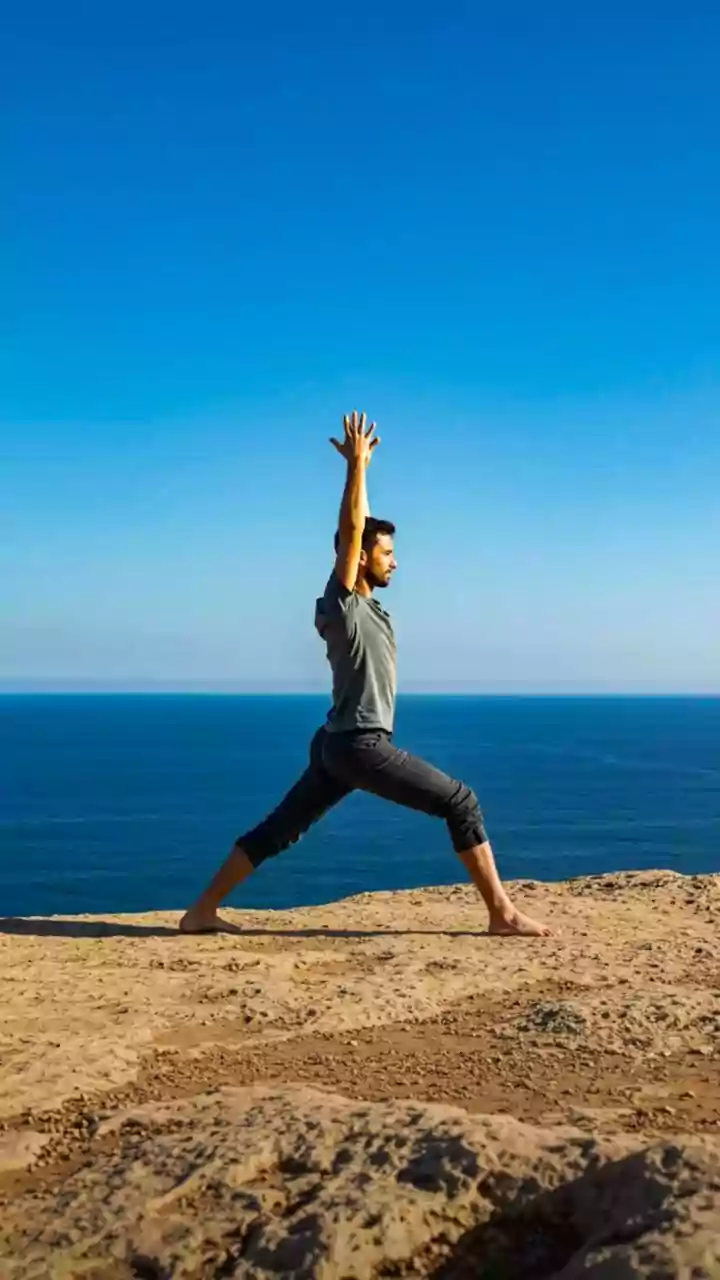
it's 'easier,' but because it's smarter for the long haul. Think of the viral 'walking pad' under a standing desk, the resurgence of Pilates, or the focus on 'Zone 2' cardio—working out at a conversational pace. The goal isn't to obliterate your body for 30 minutes. It's to build cardiovascular health, strength, and endurance without pulverizing your joints. This shift acknowledges a simple truth: the best workout is the one you can do consistently without getting injured or burning out. It’s fitness that works with your body, not against it.
2. 'Exercise Snacking' Is In
One of the biggest hurdles to consistent exercise is time. The idea that you need a solid, uninterrupted hour at the gym is a major barrier for parents, busy professionals, and pretty much everyone else. Enter 'exercise snacking.' No, it’s not munching on a protein bar. It’s the practice of breaking up your physical activity into small, manageable chunks—or 'snacks'—throughout the day. Maybe it’s 10 minutes of stretching when you wake up, a 15-minute brisk walk after lunch, and 10 minutes of bodyweight strength before dinner. Studies are increasingly showing that the cumulative effect of these mini-workouts can be just as beneficial as one long session. This approach reframes movement as something that can be woven into your day, rather than another item to cram onto your to-do list. It makes fitness accessible to everyone, no hour-long block required.
3. Rucking: Just Add Weight
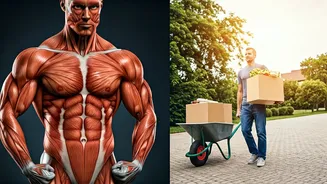
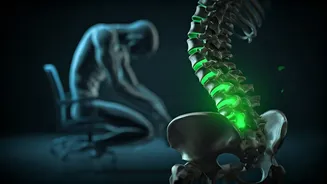
If you’re looking for a trend that is the absolute opposite of a complicated, equipment-heavy boutique class, meet rucking. The concept is brilliantly simple: you walk with weight in a backpack. That's it. Born from military training (a 'rucksack' is a military backpack), rucking turns a simple walk into a powerful full-body workout. It improves your posture, builds core and back strength, and significantly increases the cardiovascular benefit of walking without the high impact of running. The practicality is off the charts. You don't need a special gym. You don't need a trainer. You just need a sturdy backpack and something to put in it—books, water bottles, or specialized 'ruck plates.' It's functional fitness in its purest form, building the kind of strength that helps you carry groceries or lift a suitcase into an overhead bin.
4. Recovery Is the New Rep
For decades, the fitness ethos was dominated by a 'no days off' mentality. Rest was for the weak. Today, that mindset has been completely flipped on its head. Recovery is now understood to be an active, essential part of any effective fitness plan. It’s not just about passively sitting on the couch. It’s about intentional practices like getting adequate sleep, foam rolling, stretching, and prioritizing mobility work. Fitness trackers and apps now praise you for a good 'recovery score' as much as they do for hitting a step goal. This shift recognizes that muscle isn't built during the workout; it's built during the repair process that follows. By treating recovery as a non-negotiable part of the routine, people are seeing better results, fewer injuries, and a more positive relationship with exercise.
5. Fitness That Fits Your Life
The pandemic broke the mold of the traditional gym membership, and we're not going back. The new normal is a hybrid approach that values flexibility above all else. People are cherry-picking what works for them. That might mean using a digital fitness app for convenience on weekdays, then hitting up a favorite yoga studio or spin class on the weekend for the community and energy. It's about having options. This model gets rid of the guilt associated with an underused, expensive gym membership. Instead of being locked into one system, you can tailor your fitness to your mood, schedule, and budget. It puts the user in the driver's seat, creating a personalized fitness ecosystem that’s more likely to stick because it’s built around real life, not an idealized version of it.