







The Ultimate Test of Faith
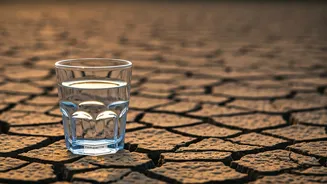
Sometime this June, millions of Hindus around the world, including a growing community in the United States, will observe Nirjala Ekadashi. The name itself is the instruction: 'Nirjala' means 'without water,' and 'Ekadashi' refers to the eleventh lunar
day of each of the two lunar phases in a Hindu calendar month. While there are 24 Ekadashi fasts throughout the year, each dedicated to the deity Vishnu, Nirjala Ekadashi is considered the most sacred and the most difficult. Observers abstain from all food and water for over 24 hours, from sunrise on Ekadashi day to sunrise the following day. It’s a profound act of austerity, or 'tapasya,' designed to cleanse the body and soul, and demonstrate unwavering devotion. For many, completing this single fast is believed to grant the spiritual benefits of observing all 24 Ekadashis combined, making it a powerful spiritual undertaking.
The Legend of the Strongest Pandava
The origin of this demanding fast is tied to a beloved story from the Hindu epic, the Mahabharata. The tale centers on Bhima, the second of the five Pandava brothers, renowned for his immense strength and equally immense appetite. Bhima’s love for food was so great that he found it impossible to observe the traditional twice-monthly Ekadashi fasts that his devout brothers and wife followed dutifully. Distraught that his inability to control his hunger was preventing him from honoring Lord Vishnu, he sought the counsel of the great sage Vyasa. Understanding Bhima’s unique predicament, Vyasa offered a compassionate compromise: if Bhima could observe just one fast a year with absolute, perfect discipline—abstaining from both food and water—he would earn the merit of all the other fasts. Bhima agreed, undertaking the difficult waterless fast. This is why Nirjala Ekadashi is sometimes called 'Bhima Ekadashi' or 'Pandava Ekadashi,' a testament to the idea that devotion can take many forms, and even the most challenged devotee can find a path to grace.
More Than Just a Fast
While the physical challenge is its most famous aspect, the observance of Nirjala Ekadashi is a deeply spiritual experience. The day is spent in prayer, meditation, and recitation of mantras dedicated to Lord Vishnu. Many devotees visit temples for special services or create a small altar at home. The fast is not meant to be a simple feat of endurance but an exercise in redirecting one's focus from worldly needs to spiritual contemplation. By detaching from the basic physical requirements of food and water, practitioners aim to strengthen their willpower, purify their inner selves, and draw closer to the divine. It's a day for introspection, for contemplating one's actions, and for cultivating a sense of gratitude and humility. The discomfort of the fast serves as a constant reminder of the spiritual purpose, turning a physical hardship into a tool for mental and spiritual clarity.
Devotion in the Modern World
In the U.S., Nirjala Ekadashi is a quiet but powerful day of observance for many in the Hindu diaspora. It’s a way to connect with cultural and religious roots, often passed down through generations. Families might prepare for the fast together, encouraging each other through the day. In areas with large Hindu communities, temples in places like New Jersey, Texas, and California become focal points for collective worship. The day after the fast is broken, often with a sip of water followed by a light, specially prepared meal, is a moment of quiet celebration and relief. Acts of charity are also common, as giving to those in need is considered an essential part of the observance. In a world of constant distraction and instant gratification, the singular focus required by Nirjala Ekadashi offers a stark, compelling alternative—a story not of deprivation, but of profound spiritual fulfillment.