
The Great Diet Exhaustion
Remember the whiplash? One minute, fat was the enemy. The next, it was carbs. We cycled through Atkins, Paleo, Keto, and intermittent fasting, each promising a revolutionary path to wellness that often involved eliminating entire food groups and developing
a complicated relationship with dinner invitations. The 'flex' was about discipline and deprivation. It was about posting photos of your sad desk lunch salad or talking about your 'cheat day' as if you were a soldier on leave. But a collective exhaustion has set in. The keto flu, the social isolation of being 'that person' who can't eat anything at the party, and the simple unsustainability of it all have led many to seek an off-ramp. We're tired of foods being labeled 'good' or 'bad' and, by extension, feeling that way ourselves for eating them. This burnout has paved the way for a more commonsense approach—one that’s been recommended by nutritionists for decades but is only now becoming a cultural status symbol.
Anatomy of a Balanced Plate
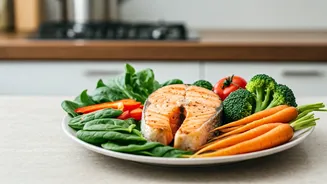
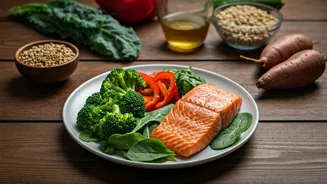
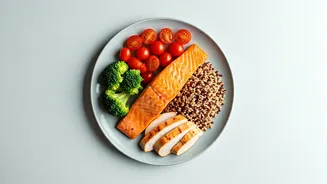
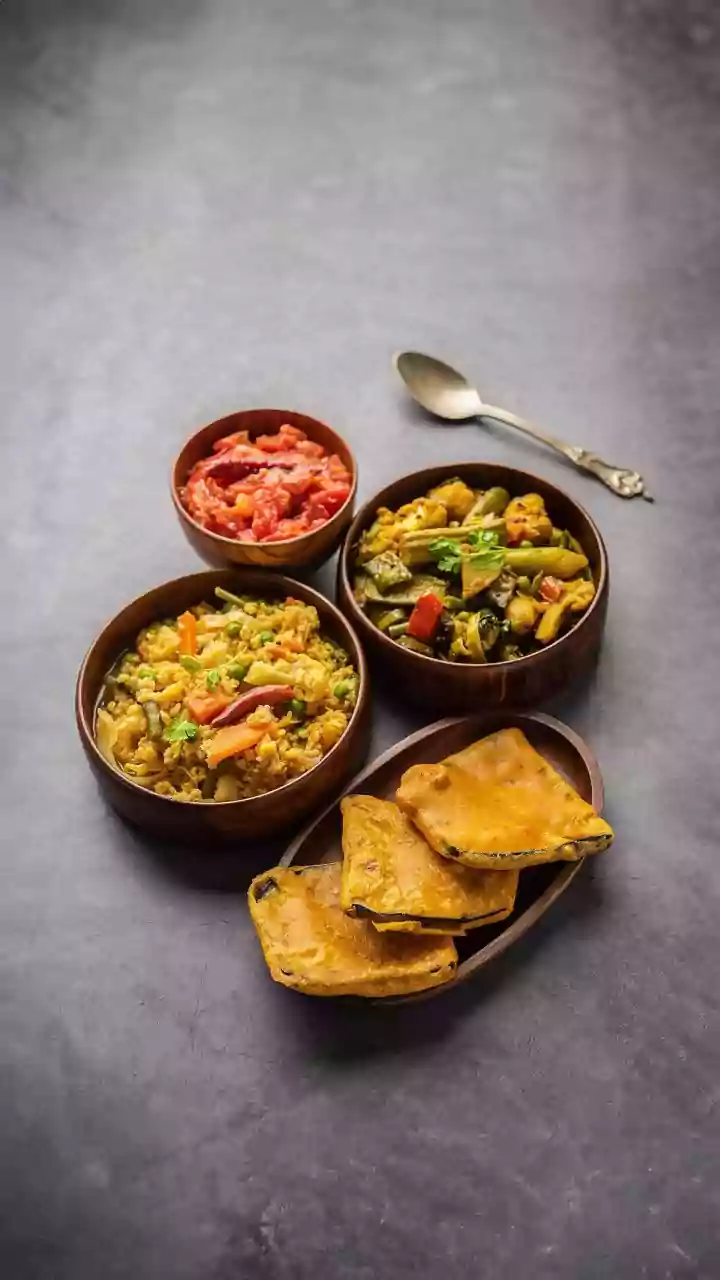
So, what does this new 'flex' actually look like? It’s not a branded diet or a complicated set of rules. It’s a simple visual guide, most famously promoted by frameworks like the USDA's MyPlate and Harvard's Healthy Eating Plate. The concept is refreshingly straightforward.
Picture your dinner plate. Now, mentally divide it:
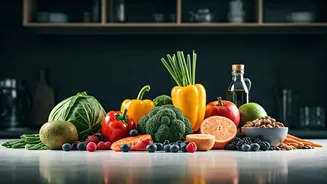
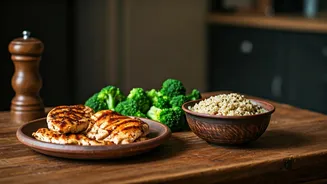
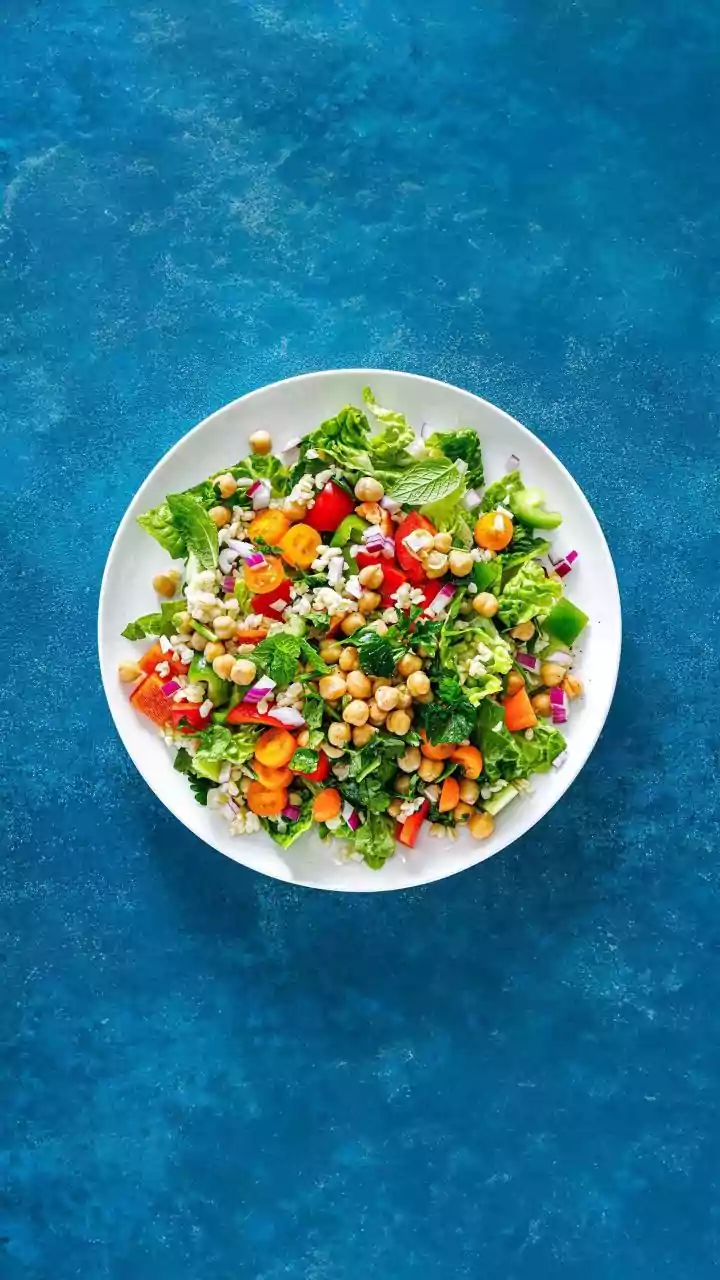
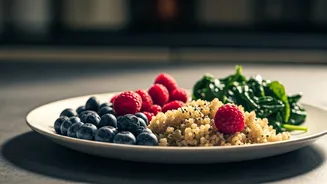
* **Half of your plate:** Fill it with vegetables and fruits. Think color and variety. These foods are packed with vitamins, minerals, and fiber, and they’re naturally lower in calories.
* **One-quarter of your plate:** Dedicate this to lean protein. This could be chicken, fish, beans, lentils, tofu, or nuts. Protein is essential for building muscle, repairing tissue, and keeping you feeling full and satisfied.
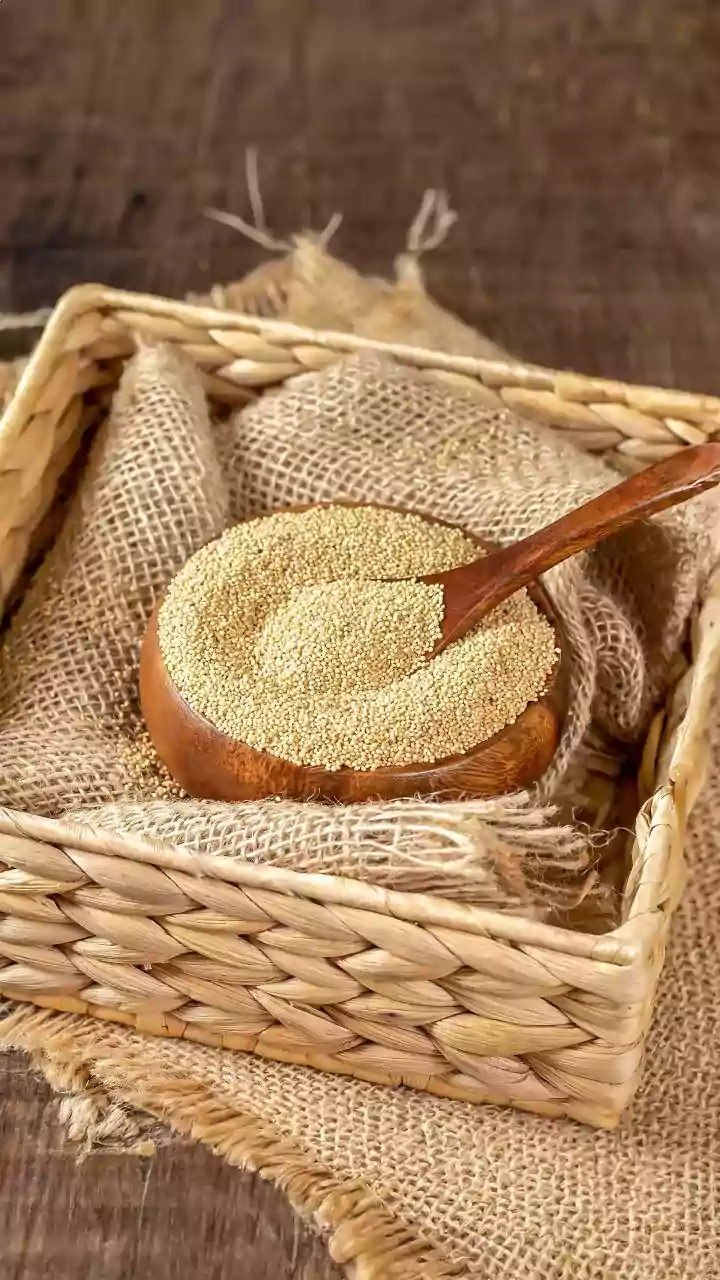
* **One-quarter of your plate:** Fill this with whole grains. Think quinoa, brown rice, whole-wheat pasta, or oats. These provide complex carbohydrates for sustained energy and are a great source of fiber.
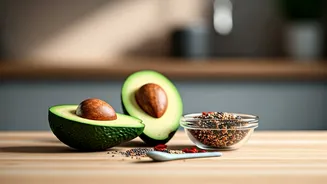
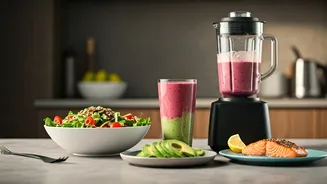
Don't forget healthy fats, like those from avocados, olive oil, and nuts, which can be incorporated into any part of the meal. The beauty is its flexibility. It's a template, not a mandate. There's no forbidden food, only a focus on proportion.
Why Balance Is the Real Power Move
In a culture obsessed with extremes, moderation is the ultimate rebellion. Showing off a balanced plate is a 'flex' because it signals something more profound than willpower: it signals knowledge, stability, and a healthy relationship with food. It says, 'I’m not falling for the latest fad. I'm playing the long game.'
This approach subverts the old wellness narrative that health is earned through suffering. Instead, it frames well-being as a practice of nourishment and self-respect. It's a quiet luxury, demonstrating that you have the security and wisdom to invest in sustainable habits rather than chase dramatic, short-term results. Posting a photo of a vibrant, balanced meal communicates confidence and contentment—a stark contrast to the performative struggle of restrictive dieting. It’s a flex of sanity in a world of diet-induced chaos.
How to Build Your Better Plate
Embracing the balanced plate isn't about achieving perfection at every meal. It's about shifting your default settings. Here are a few practical ways to start:
1. **Start with Veggies:** When building your meal, put the vegetables on your plate first. This simple trick makes it easier to hit that 50% target.
2. **Don't Fear Carbs, Upgrade Them:** Instead of eliminating carbs, swap refined versions (white bread, sugary cereals) for their whole-grain counterparts. They provide more nutrients and keep you full longer.
3. **Make Protein a Priority:** Ensure every meal has a solid source of protein. It helps regulate your appetite and prevents the energy crashes that lead to reaching for less-than-ideal snacks.
4. **Listen to Your Body:** A balanced plate is a guide, not a gospel. Some days you might be hungrier or need more energy. The goal is to learn your body's cues for hunger and fullness, freeing you from the tyranny of calorie-counting apps.