








The Arbitrary Origin of 10,000 Steps
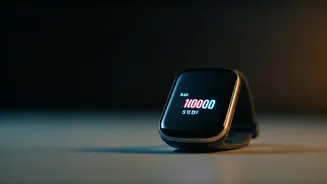
First, let's get one thing straight: the 10,000-step goal was never based on science. It originated in the 1960s as a marketing slogan for a Japanese pedometer called a Manpo-kei, which translates to “10,000 steps meter.” The number was catchy, round,
and felt substantial, making it a perfect marketing hook. It provided a simple, gamified target that was easy to understand and track, and for decades, it served as the default benchmark for an “active” day. While any movement is better than none, and chasing 10,000 steps certainly got people off the couch, experts have long pointed out its limitations. The goal treats all steps equally, whether they’re a frantic dash up a flight of stairs or a leisurely shuffle to the kitchen. It ignores intensity, duration, and every other aspect of physical fitness, not to mention the other pillars of health like sleep and recovery.
From Quantity to Quality of Movement
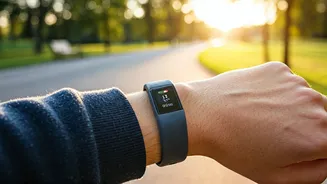
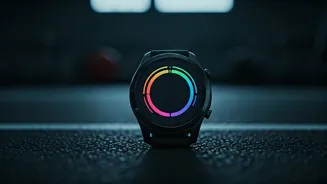
The new philosophy in personal fitness tracking is prioritizing quality over sheer quantity. Modern wearables from companies like Apple, Fitbit, and Garmin are leading this charge. Instead of just celebrating a step count, they are nudging users to focus on metrics that are more closely tied to cardiovascular health. Fitbit’s “Active Zone Minutes,” for example, award you more credit for time spent in fat-burn, cardio, or peak heart-rate zones. The goal isn't just to move, but to move in a way that gets your heart pumping. This shift aligns with guidelines from health organizations like the American Heart Association, which recommends 150 minutes of moderate-intensity aerobic activity per week. By tracking intensity, you could hit your health goals in far fewer than 10,000 steps. A brisk 25-minute walk or a quick HIIT session provides more cardiovascular benefit than an hour of slow ambling, and our trackers are finally smart enough to reflect that. The focus moves from “Did I walk enough?” to “Did I challenge my body today?”
The Rise of the 24-Hour Health Picture
Perhaps the biggest evolution is the expansion beyond activity altogether. The new “lifestyle goals” recognize that fitness is not an isolated event but part of a 24-hour cycle of stress, activity, and recovery. Your readiness for a tough workout depends heavily on how well you slept the night before. Your ability to handle stress is intertwined with both your physical exertion and your moments of stillness. This is where metrics like sleep scores, heart rate variability (HRV), and readiness scores come in. Devices from Whoop and Oura have built their entire platforms around this concept. A low recovery score might prompt you to choose a gentle yoga session over a long run, preventing overtraining and injury. A high stress reading could trigger a notification to take a few deep breaths. This data transforms your tracker from a simple step-counter into a personalized wellness coach, offering insights into how your daily choices—from that late-night coffee to your bedtime—impact your overall state of being.
Building a More Personal and Sustainable Habit
Freed from the tyranny of a single number, you can build a health practice that’s more intuitive, personal, and sustainable. The goal is no longer to hit an external target but to tune into your own body’s signals, using technology as a guide rather than a rulebook. Some days, your body might crave intensity, and you'll crush a workout. On other days, deep sleep and recovery will be your primary achievements, and that’s just as valuable. This new paradigm encourages a more compassionate and realistic approach to health. It acknowledges that progress isn't always linear and that rest is a productive part of the process. Instead of feeling guilty for missing a step goal on a busy day, you can see the big picture: you got seven solid hours of sleep, kept your stress levels in check, and you’re primed to get back to it tomorrow. It's a shift from a pass/fail daily test to a continuous, lifelong conversation with your own health.