






Embrace the Monsoon Magic
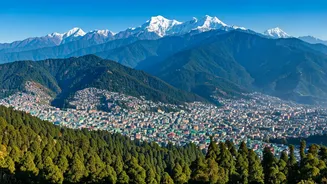
Let’s address the elephant in the room: June is the start of monsoon season in Sikkim. While this might sound like a dealbreaker, it’s actually the secret to its “calm escape energy.” Forget the crystal-clear mountain views of peak season; June offers
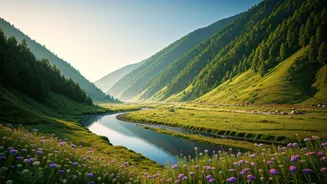
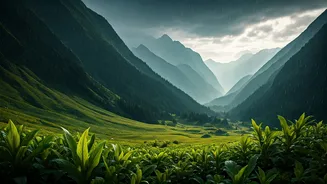
something more atmospheric. The landscape transforms into a thousand shades of green, clouds hang low in the valleys, and waterfalls previously dormant come roaring back to life. The tourist crowds thin out, replaced by a pervasive sense of peace. This isn’t a trip for sun-worshippers, but for those who find beauty in mist-shrouded hills, the gentle sound of rain on a tin roof, and the feeling of having a magical kingdom almost to yourself. It’s a time for introspection, cozying up with a book, and truly disconnecting.
Find Your Zen in Ancient Monasteries
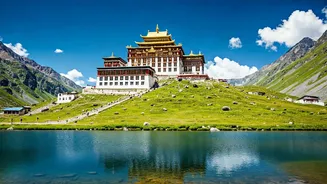
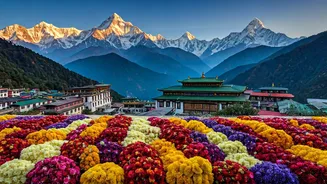
Sikkim is dotted with stunning Tibetan Buddhist monasteries, and the monsoon quiet only amplifies their spiritual resonance. The Rumtek Monastery, one of the most significant outside of Tibet, is a sprawling complex where you can witness monks chanting and going about their daily rituals. For a more intimate experience, seek out the Pemayangtse Monastery near Pelling, which offers incredible, if fleeting, views of the Kanchenjunga range when the clouds part. In the quiet of a June afternoon, with prayer flags fluttering in the damp air, you can listen to the horns and drums from a world away. These are not just tourist sites; they are living centers of faith, offering a profound sense of tranquility that seeps into your bones.
Settle into a Slower Pace of Life
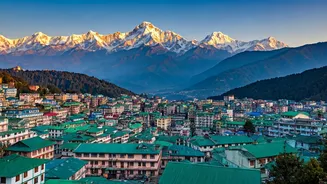
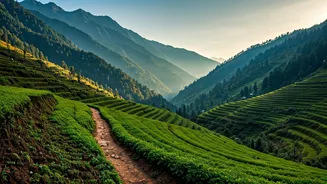
The key to a Sikkimese escape is to slow down. Base yourself in a smaller town like Pelling or Yuksom rather than trying to hop between locations every day. Yuksom, the first capital of Sikkim, is the gateway to Kanchenjunga National Park and has a deeply serene, historic vibe. Pelling is famous for its monastery and its jaw-dropping (though weather-dependent) mountain views. Spend your days taking gentle walks through terraced rice fields, exploring local villages, and striking up conversations with the incredibly warm and welcoming locals. This isn’t about ticking off a checklist; it's about immersing yourself in the rhythm of mountain life and letting the landscape work its restorative magic on you.
A Taste of Tranquility
Sikkim’s calm energy extends to its cuisine, which is simple, hearty, and comforting—perfect for a rainy day. Warm up with a bowl of thukpa, a flavorful noodle soup, or share a plate of momos (steamed dumplings). Don’t miss the chance to try the local millet beer, known as 'chang,' served in a traditional bamboo container. But perhaps the most quintessential Sikkimese experience is sipping a cup of locally grown tea. Visit the Temi Tea Garden, the state's only tea estate, to see how the famous brew is made and enjoy a fresh cup while gazing out over the rolling, emerald-green hills. It’s a simple pleasure that perfectly encapsulates the region’s peaceful charm.
The Practicalities of Paradise
Getting to and navigating Sikkim requires a bit of planning, which is part of what keeps it so special. As a foreign national, you will need a Restricted Area Permit (RAP), which is typically issued for free on arrival at the state’s entry points or can be arranged via Indian embassies abroad. The main airport is Pakyong (PYG), but Bagdogra (IXB) in neighboring West Bengal is a more common gateway, followed by a scenic 4-5 hour drive to the capital, Gangtok. During the monsoon, road travel can be unpredictable due to potential landslides. It's wise to build extra buffer days into your itinerary, hire a reliable local driver, and embrace the journey as part of the adventure. The slight inconvenience is a small price to pay for the solitude you'll find.