




The Anatomy of a Perfect Pakora
For the uninitiated, a pakora is India’s answer to the fritter, and it’s a masterclass in texture and flavor. Imagine a savory, spiced batter—typically made from chickpea flour (besan)—that’s used to coat anything from sliced potatoes and onions to spinach
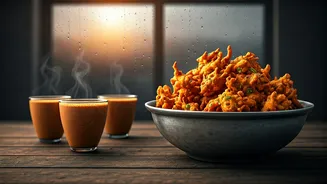
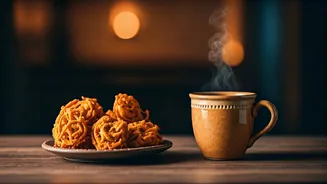
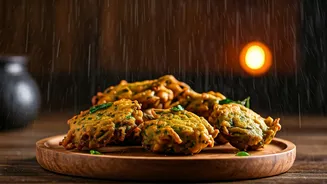
and paneer. When plunged into hot oil, the batter transforms into a craggy, golden-brown crust that’s impossibly crunchy, yielding to a soft, steamy interior. They’re the quintessential street snack, the perfect accompaniment to a hot cup of chai, and a staple in millions of homes. Unlike their blander Western counterparts, pakoras are seasoned from the inside out, with spices like turmeric, red chili powder, and ajwain (carom seeds) infusing the batter itself with a complex, savory warmth. They’re not just fried; they’re engineered for maximum satisfaction.
Enter Methi: The 'Healthy-ish' Hero
So, what makes a methi pakora special? The star ingredient: methi, or fresh fenugreek leaves. If you’ve never had them, methi leaves carry a beautifully complex flavor that’s slightly bitter, a little nutty, and finishes with an almost maple-like sweetness. It’s a grown-up flavor that cuts through the richness of the fried batter, adding a layer of herbal complexity that is utterly addictive. But the magic of methi goes beyond its taste. In Indian households and Ayurvedic tradition, fenugreek is a nutritional powerhouse. It’s rich in iron, fiber, and antioxidants, and has long been used to aid digestion and help manage blood sugar. By packing a heap of these vibrant green leaves into the batter, the humble pakora undergoes a transformation. It’s no longer just a guilty pleasure. It’s a pleasure laced with greens. This is the source of its “healthier-ish” superpower—a delicious self-deception we can all get behind. You're not just eating a fritter; you're eating your vegetables.
A Tradition Forged in Rain
To truly understand the soul of the pakora, you have to understand its connection to rain. In India, the arrival of the monsoon season is a dramatic, life-altering event. The scorching heat breaks, the air fills with the smell of wet earth, and a collective sigh of relief sweeps the subcontinent. This change in weather prompts an almost primal craving for something hot, crunchy, and fried. The sound of rain drumming on the roof becomes the soundtrack for the sizzle of pakoras hitting hot oil in kitchens across the country. It’s a multisensory experience: the aroma of ginger, garlic, and spices mingling with the scent of the downpour; the warmth of the fritter against your fingers; the satisfying crunch that seems to echo the rhythm of the storm. Enjoying chai and pakoras while watching the rain fall isn’t just a snack break; it’s a cultural ritual, a way of celebrating nature’s dramatic shift and finding coziness in the gloom.
The Virtuous Negotiation
Let’s be clear: a methi pakora is still deep-fried. It’s not a kale salad. But the “healthier-ish” feeling it provides is a real and valid part of its appeal. It’s a psychological negotiation. While a simple potato chip offers salt and crunch, it’s a nutritional void. A methi pakora, on the other hand, comes with a narrative. Its chickpea flour base offers more protein and fiber than all-purpose flour. The methi leaves are, undeniably, a green vegetable. The spices, from anti-inflammatory turmeric to digestive-aiding ajwain, add their own minor halo effect. When you bite into one, you’re not just succumbing to a craving for fried food. You’re participating in a delicious compromise. You’re getting the visceral satisfaction of a crispy, oily treat, but you’re also getting a dose of something genuinely good for you. It’s this balance that makes them feel so right on a day when you need a little lift without the full weight of dietary guilt.