

The Retreat You Don't Have to Leave
Remember the peak of the destination wellness era? It was all about escaping. A week-long digital detox in Costa Rica, a silent meditation retreat in the mountains, or a juice cleanse at a sun-drenched European spa. The goal was to post a serene-looking
photo, signaling to the world that you had invested time and a significant amount of money in your well-being. This model was built on the idea of wellness as a temporary, intensive intervention—a hard reset before returning to the chaos of everyday life. While aspirational, it framed self-care as an event, a vacation from your actual existence, rather than a part of it.
How the Home Became the Epicenter
Then, the world shut down. The pandemic didn't just introduce us to sourdough starters; it fundamentally rewired our relationship with our homes. Our living spaces became our offices, schools, restaurants, and, crucially, our gyms. The initial scramble for dumbbells and yoga mats quickly evolved into something more sophisticated. As outside options vanished, the focus turned inward. People began investing the money they would have spent on travel, dining, and gym memberships into creating permanent sanctuaries within their own four walls. This forced nesting period accelerated a trend that was already bubbling under the surface: the desire for on-demand, integrated wellness.
The Anatomy of the New Wellness Flex
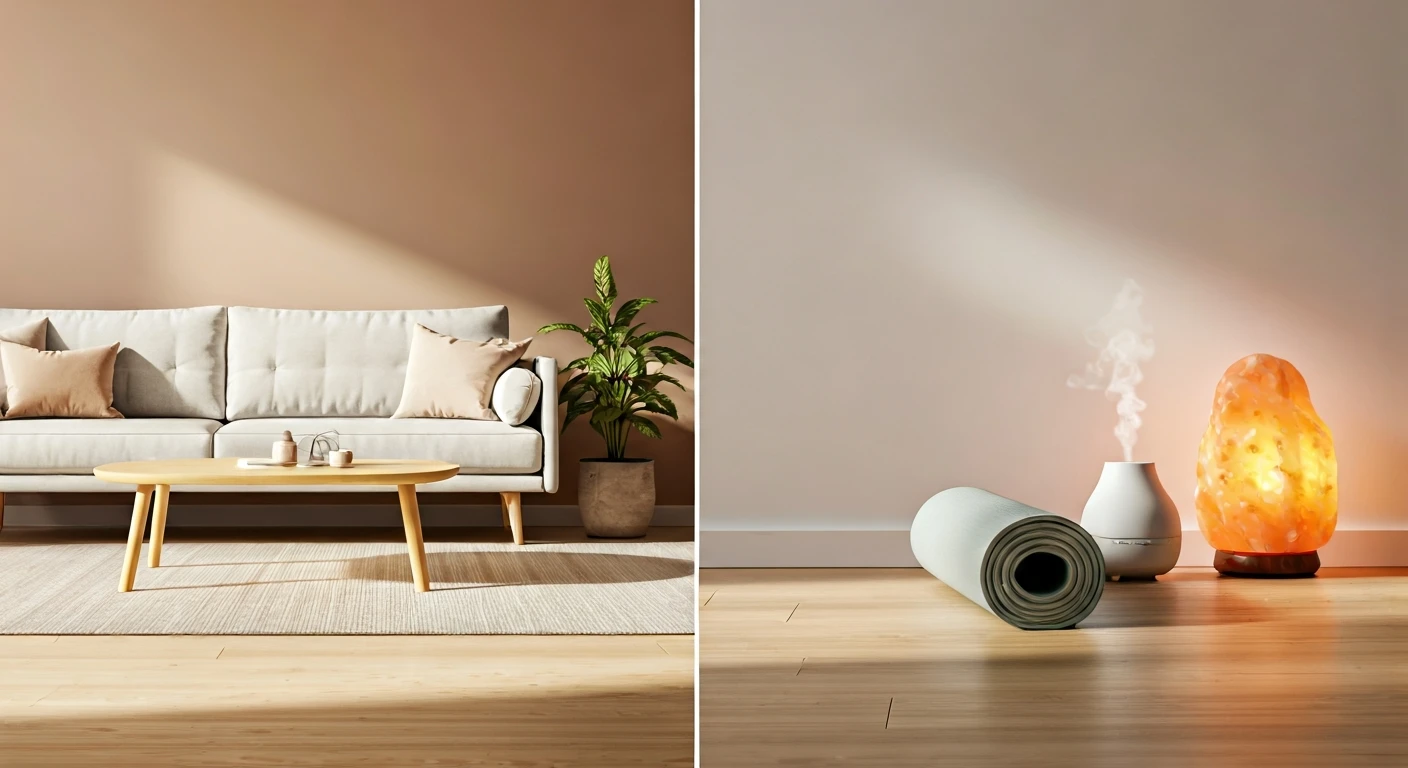
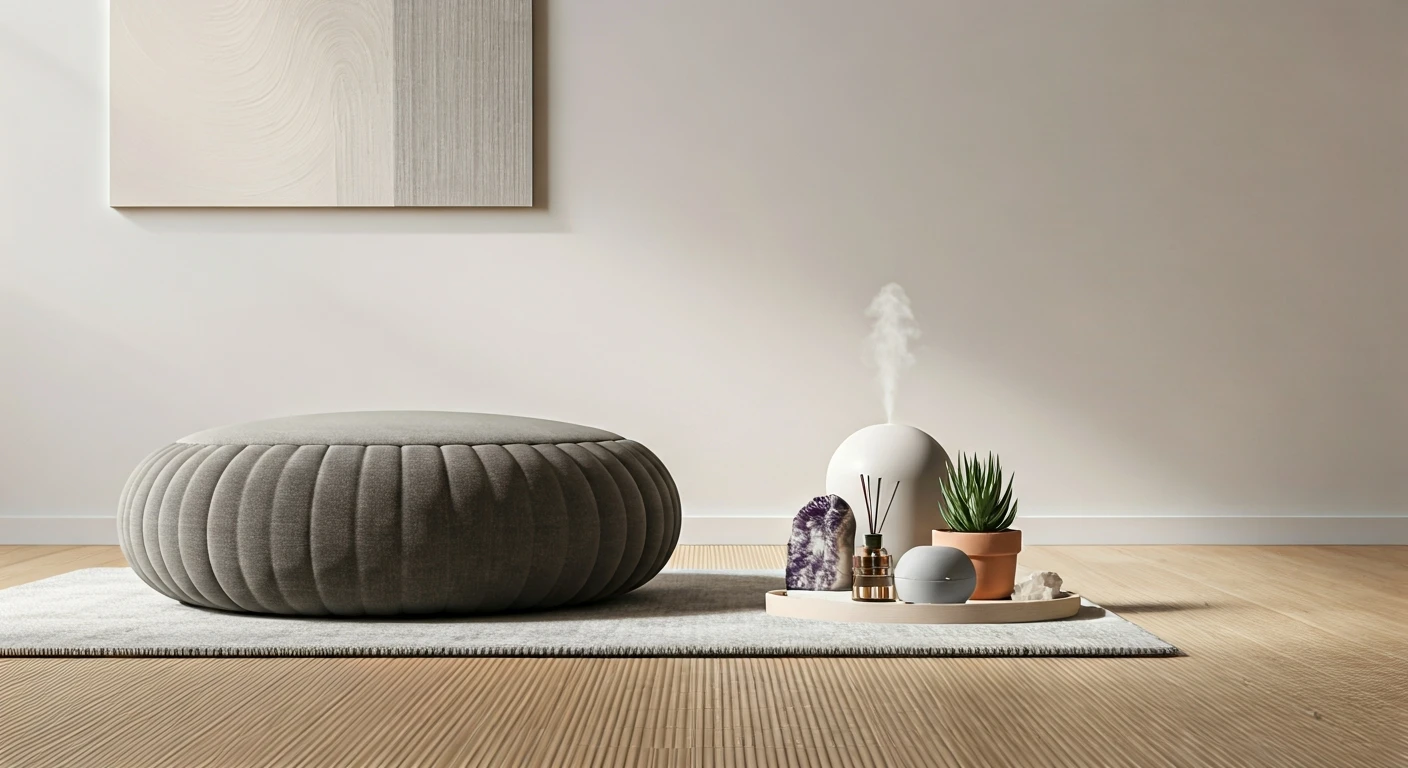
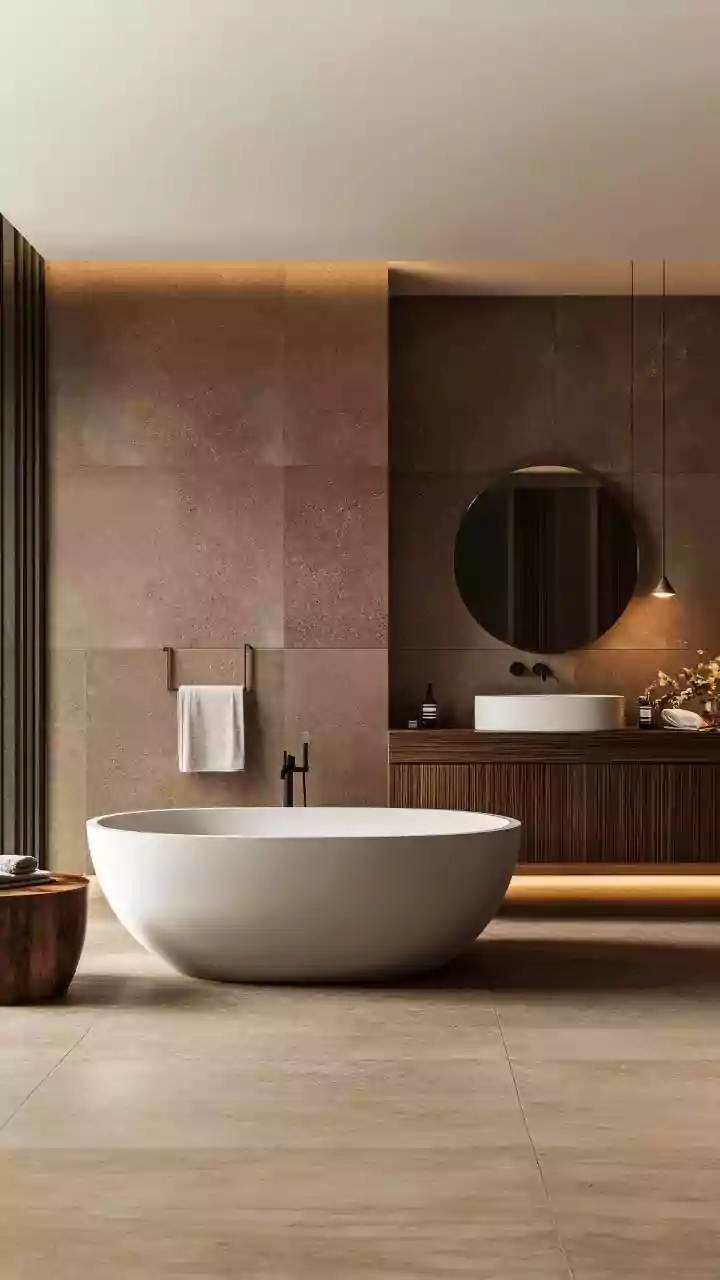
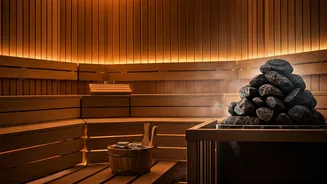
So, what does this new “bring-home wellness” flex look like? It’s far more than a Peloton bike in the corner of the living room (though that was certainly the gateway drug). It's a curated ecosystem of high-tech, design-forward equipment that transforms a spare room, garage, or even a backyard into a private wellness club. Think sleek infrared saunas that promise detoxification and glowing skin, minimalist cold plunge tubs for boosting circulation and mental resilience, and smart fitness mirrors that offer a boutique studio experience without the commute. It’s also about the softer side of wellness: dedicated meditation corners with high-end cushions, aromatherapy diffusers integrated into HVAC systems, and advanced sleep-tracking technology that turns the bedroom into a data-driven recovery pod.
Convenience, Privacy, and Consistency
The appeal goes beyond just showing off a cool new toy on social media. For many, this shift is about reclaiming control and prioritizing consistency. Instead of scheduling wellness in week-long bursts, it becomes a daily ritual. There’s no commute, no crowded locker room, and no class schedule to contend with. Want to do a 15-minute sauna session between Zoom calls? Easy. Feel like a frigid plunge after a stressful day? It’s right there. This model offers a level of privacy and personalization that a public gym or a group retreat could never match. It reframes wellness not as a performance for others, but as a deeply integrated and convenient part of a daily routine—a sustainable practice rather than a spectacular, but fleeting, event.
The Price of a Permanent Sanctuary
Of course, this level of domestic bliss comes with a hefty price tag. An infrared sauna can run from $2,000 to over $10,000, and a quality cold plunge setup can easily cost a few thousand dollars more. Creating a full-fledged wellness room can quickly escalate into a five-figure home renovation project. This raises an important question: is “bring-home wellness” just another form of conspicuous consumption, creating a new tier of wellness that is inaccessible to the vast majority? While the cost of entry is high, the trend also signals a broader cultural desire for well-being to be woven into the fabric of our lives. The core idea—making self-care a consistent, at-home practice—can be adopted at any budget, even if the high-end “flex” remains the domain of the privileged.