



1. It Starts with an Earthy Palette
The foundation of the natural decor trend is a color scheme borrowed directly from the outdoors. This isn't about stark whites or moody grays; it's about warmth and subtlety. Think of the soft, muted colors of a desert landscape or a forest floor: warm beiges,
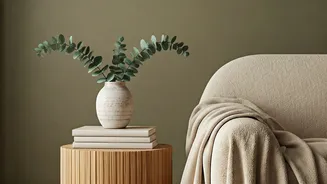
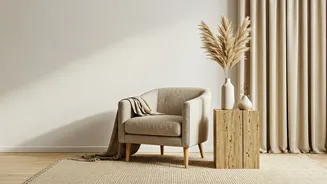
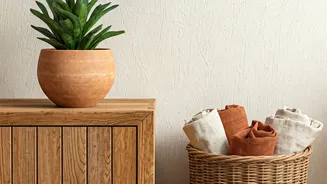
creamy off-whites, dusty terracotta, soft sage green, and rich, earthy browns. These colors are inherently calming and create a cohesive backdrop that allows other elements, like texture and light, to shine. A popular technique is 'color drenching,' where walls, trim, and even the ceiling are painted in the same muted shade to create an immersive, cocoon-like feeling. Instead of a single, jarring accent wall, this trend favors a layered, tonal approach that feels organic and soothing.
2. Prioritize Natural, Tactile Materials
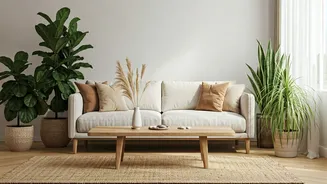
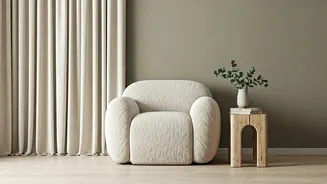
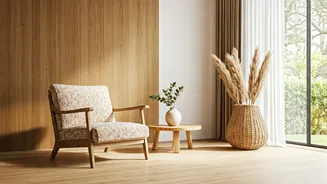
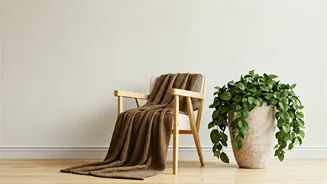
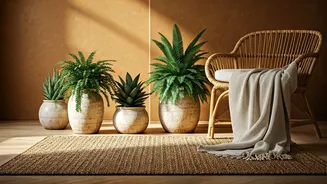
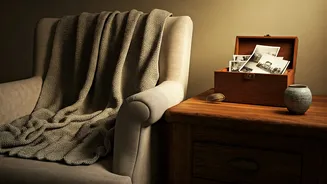
At its core, this aesthetic is a celebration of materials that feel real and honest. Smooth, imperfect wood grains are favored over high-gloss lacquers. You'll see light oaks, walnuts, and reclaimed woods in furniture, flooring, and decorative objects. Woven textures are also paramount. Rattan, wicker, jute, and seagrass appear in everything from light fixtures and chairs to rugs and baskets, adding a layer of handmade, casual warmth. For textiles, the focus is on natural fibers like linen, cotton, wool, and boucle. Think of a nubby wool blanket thrown over a linen sofa or soft, rumpled cotton bedding. These materials aren't just beautiful to look at; they're pleasing to the touch, engaging multiple senses to create a truly comforting environment.
3. Bring the Outdoors In (Literally)
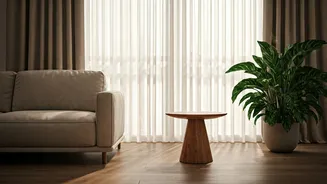
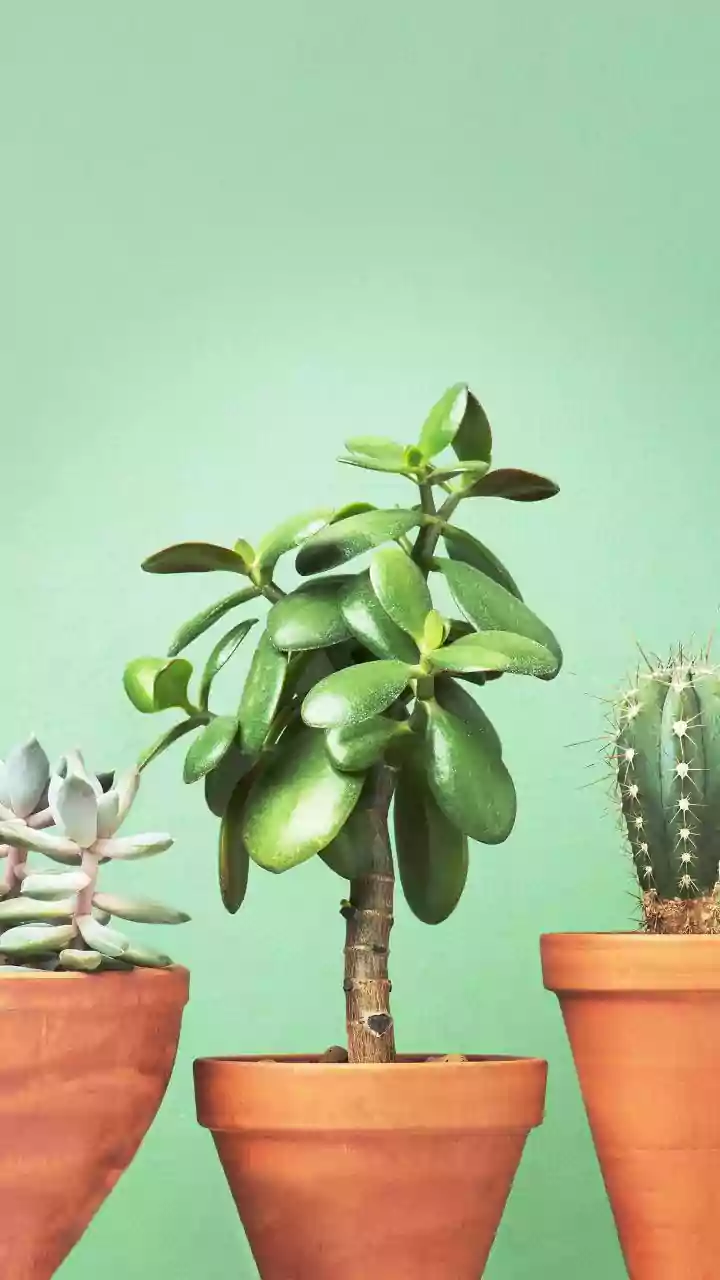
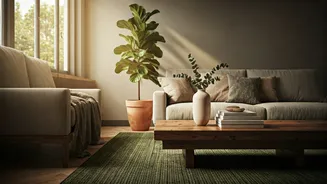
A key component of the natural decor trend is 'biophilic design'—a fancy term for connecting our living spaces with nature. The easiest way to do this is with plants. From a towering fiddle-leaf fig in a corner to a collection of small succulents on a windowsill, greenery adds life, purifies the air, and provides a welcome pop of color. Beyond houseplants, this principle extends to maximizing natural light. Sheer, gauzy curtains are replacing heavy drapes to allow sunlight to filter through. Arranging furniture to highlight a view of the outdoors, even if it's just a sliver of sky, reinforces this connection. Decorative elements like dried branches in a vase, a bowl of river stones, or botanical art prints also help blur the line between inside and out.
4. Embrace Imperfection and Simplicity
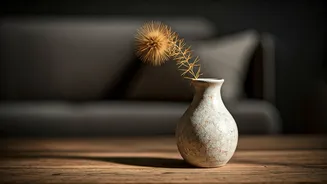
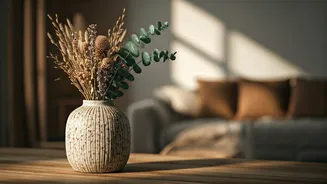
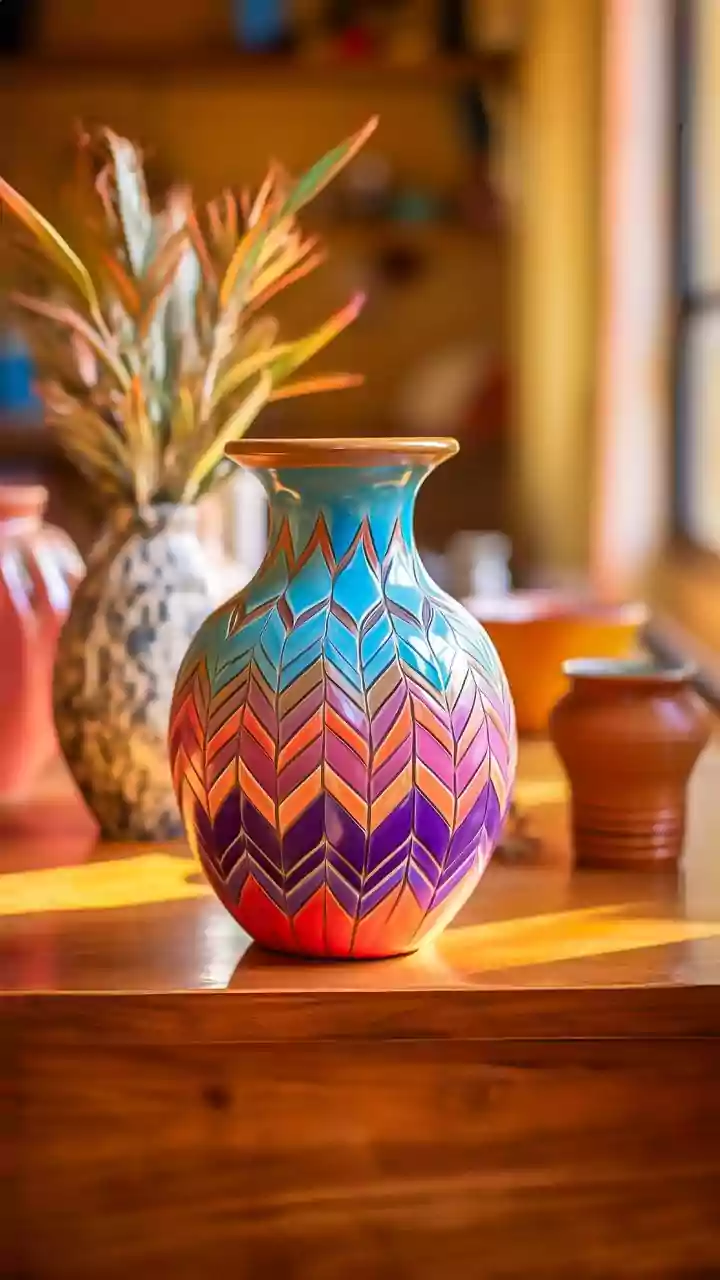
This trend is a quiet rebellion against the perfectly staged, mass-produced showrooms of the past. It draws inspiration from philosophies like the Japanese concept of wabi-sabi, which finds beauty in imperfection and transience. This translates to choosing items that show the hand of their maker, like a slightly irregular ceramic vase or a hand-carved wooden bowl. Furniture is often characterized by simple, clean lines that don't shout for attention but exude quiet confidence. The goal is to curate a space that feels personal and lived-in, not sterile. It’s about having fewer, better things that you truly love, rather than filling a room with trendy, disposable clutter. This minimalist-adjacent approach creates visual calm and leaves room for the beautiful materials and textures to speak for themselves.
5. Choose Sustainable and Artisan Pieces
The growing interest in natural decor is closely linked to a broader cultural shift towards sustainability and conscious consumerism. Shoppers are increasingly looking for pieces with a story—items that are not only beautiful but also ethically made and environmentally friendly. This means a surge in popularity for vintage and secondhand furniture, which adds unique character and reduces waste. It also means seeking out small-batch artisans and independent makers who use sustainable materials and traditional techniques. Investing in a hand-woven rug, a piece of reclaimed wood furniture, or locally made pottery supports small businesses and brings a sense of soul into the home that mass-produced items simply can't replicate. This thoughtful approach to furnishing a home is what gives the natural aesthetic its lasting appeal.