








Prune to Protect Property
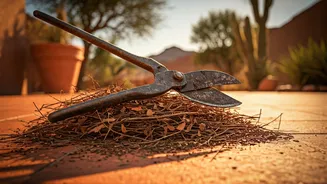
Before the winds howl, your first line of defense is a good pair of pruning shears and a lopper. The North American Monsoon brings not just rain but also powerful downdrafts called microbursts, with winds easily exceeding 60 mph. In that environment,
every dead or overgrown tree branch becomes a potential projectile aimed at your windows, roof, or car. Take a critical walk around your property. Identify and trim any branches that are dead, weak, or hanging over structures. Pay special attention to palo verde and mesquite trees, which are prone to splitting under stress. Thinning the canopy of dense trees allows wind to pass through more easily, reducing the risk of the entire tree being uprooted. This isn't just about aesthetics; it's about removing nature’s ammunition before the battle begins.
Clear Gutters and Ground
Monsoon storms are famous for dumping a massive amount of water in a terrifyingly short period. An inch of rain in 30 minutes is not uncommon, overwhelming drainage systems designed for gentler precipitation. That's why your next task is to clear the path for all that water to escape. Start with your roof’s gutters and scuppers, which are likely clogged with a winter's worth of leaves and debris. A blocked gutter will send water cascading down your walls, potentially seeping into the foundation or eroding the soil around your home. On the ground, ensure that drainage channels, washes, and culverts on or near your property are free of obstructions. Rake away leaf litter and debris that can form a dam and turn your yard into a muddy lake. The goal is simple: give the flash flood a clear, safe path away from your house.
Batten Down the Hatches
Once the trees are trimmed and the drains are clear, it’s time to secure anything that isn't bolted down. Those same microburst winds that snap tree limbs can turn your patio furniture, trampoline, or barbecue grill into a destructive tumbleweed. Walk through your yard and create a plan for every loose object. Lightweight chairs, umbrellas, and potted plants should be brought indoors or stored in a secure shed before a storm is forecast. For heavier items like trampolines or large cantilever umbrellas, ensure they are properly anchored to the ground according to manufacturer instructions. Pool covers should be tightly secured. It’s a tedious task, but it’s far less work than replacing a shattered sliding glass door or retrieving your favorite patio lounger from a neighbor’s swimming pool.
Understanding the Storm's Engine
The headline’s pun has a purpose. While you’re using shears to trim your yard, the atmosphere is priming a different kind of shear. Meteorologists talk about “wind shear,” the change in wind speed and/or direction over a short distance. During monsoon season, strong wind shear helps organize thunderstorms, making them more severe and longer-lasting. It creates the rotation that can lead to haboobs (dust storms) and the violent, unpredictable gusts that make preparation so critical. Understanding this isn't just trivia; it’s context. It explains why a calm, hot afternoon can erupt into a chaotic tempest in minutes. The atmosphere is not just blowing wind; it's a layered, dynamic engine. Knowing this reinforces why securing a patio chair isn’t an overreaction—it’s a rational response to a powerful and complex weather phenomenon.
Assemble Your Monsoon Kit
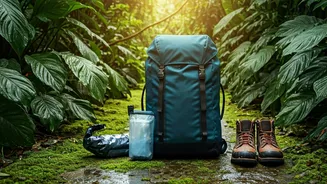
Finally, preparation moves indoors. Power outages are a common feature of monsoon storms, as high winds and lightning can damage electrical infrastructure. Your family should have a “monsoon kit” ready to go. This isn't a full-blown doomsday bunker, just a simple box with the essentials. Include flashlights or headlamps with extra batteries (far safer than candles), a portable power bank to charge phones, a hand-crank or battery-powered weather radio, and any necessary medications. A basic first-aid kit is also a must. And since flash floods can make roads impassable, having a three-day supply of non-perishable food and at least one gallon of water per person per day is a standard recommendation from FEMA and local emergency services. Keep it all in one easily accessible place, like a hall closet or garage shelf.