





More Than Just Decoration
Scroll through the Instagram feed of any stylish, urban Indian millennial, and you'll see it. Tucked beside a block-printed sofa, cascading from a bookshelf, or clustered on a sun-drenched windowsill are the unmistakable stars of modern Indian decor:
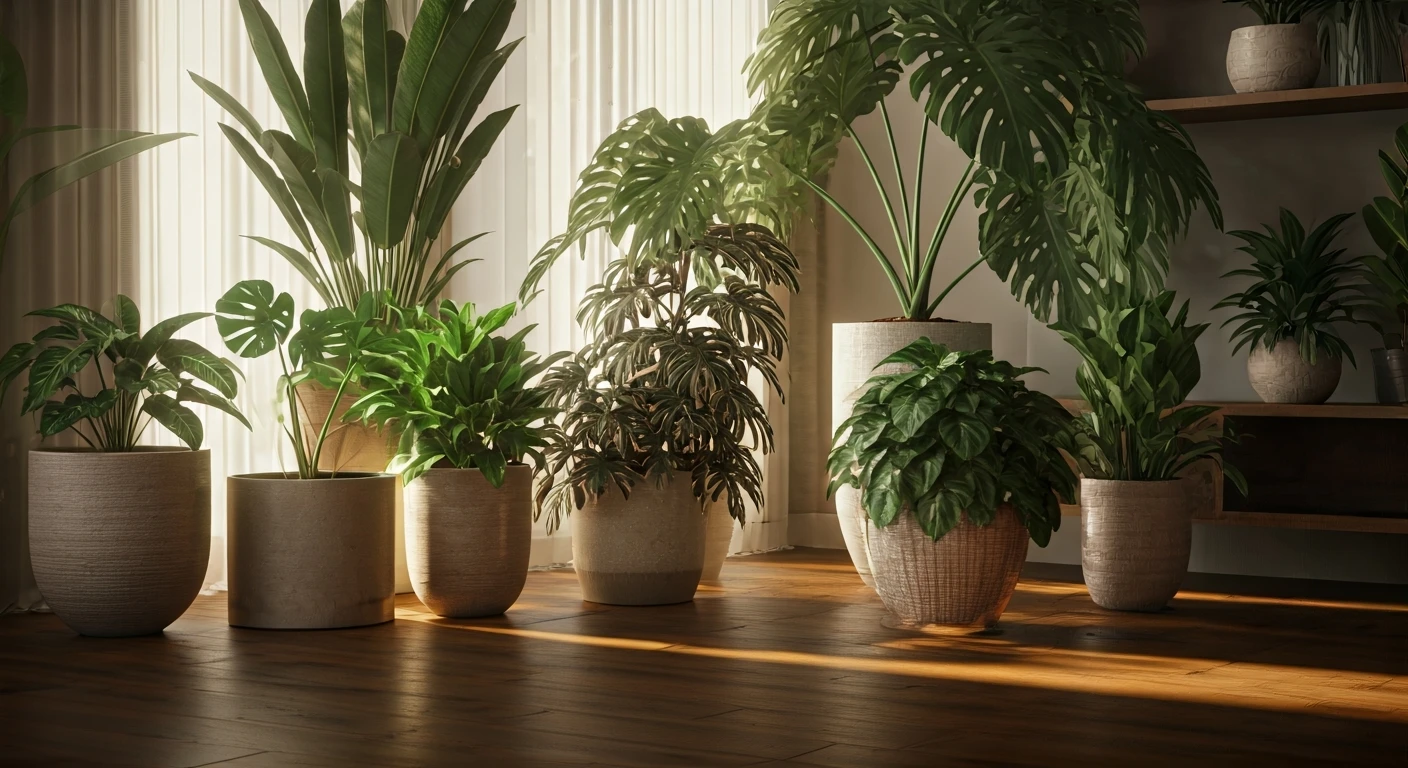
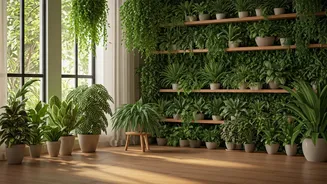
houseplants. From the ubiquitous snake plant and money plant to the more ambitious fiddle-leaf fig, greenery has moved from the fringes of the garden and balcony to the very heart of the living room. This isn't just about adding a pop of color. It's a full-blown aesthetic movement, a biophilic wave transforming apartments in Mumbai, condos in Bengaluru, and flats in Delhi into personal, living sanctuaries.
The Urban Jungle Imperative
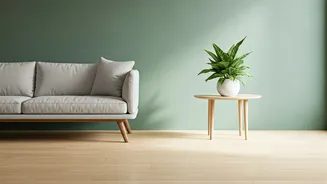
A key driver of this trend is India's rapid urbanization. As millions flock to cities for work and opportunity, they find themselves living in increasingly compact apartments, often disconnected from nature. The traditional Indian home, with its central courtyard or 'aangan' open to the sky, has been replaced by concrete high-rises. This physical separation from the natural world has created a powerful psychological need to bring it back inside. Plants offer a simple, affordable way to reclaim a piece of the outdoors. They soften the hard lines of modern architecture, purify the air in often-polluted city environments, and provide a tangible connection to the earth in a world dominated by screens and concrete.
Wellness and the 'Plant Parent'
The global wellness movement has found fertile ground in India, and houseplants are a central part of it. The act of nurturing a living thing—of becoming a 'plant parent'—is seen as a mindful, therapeutic practice. It’s an antidote to the hustle and stress of modern professional life. The process of watering, pruning, and watching a plant grow offers a moment of calm and a sense of accomplishment. This narrative is amplified by a growing ecosystem of Indian 'plantfluencers' on social media, who share tips on plant care, DIY potting ideas, and stunning visuals of their home jungles. They've built communities around a shared passion, making plant ownership feel accessible, trendy, and deeply rewarding.
A Modern Nod to Tradition
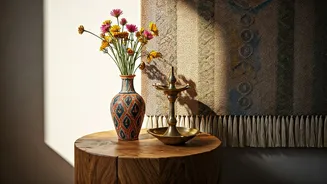
What makes this trend particularly fascinating in India is how it intertwines with centuries-old traditions. Long before it was a design choice, having specific plants in the home was a cultural and spiritual practice. Nearly every traditional Hindu home, for example, has a Tulsi (Holy Basil) plant, revered for its medicinal and religious significance. Flowers like marigolds are integral to festivals and daily rituals. The banana plant is considered auspicious. This deep-rooted cultural reverence for the botanical world gives the modern houseplant trend a unique resonance. It doesn't feel like a foreign import but rather a contemporary reinterpretation of a timeless value. Choosing to place a monstera next to a traditional brass lamp is a quiet statement of modern Indian identity: global in outlook, but still connected to its heritage.