




The Shifting Tides of Travel
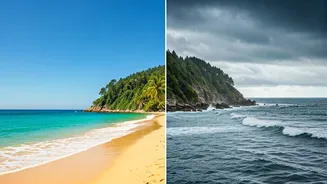
The picture of a perfect getaway is changing. While the allure of a sun-drenched beach will never fully disappear, travel analysts and booking platforms are noting a significant surge in interest for destinations far from the coastline. Think less Miami
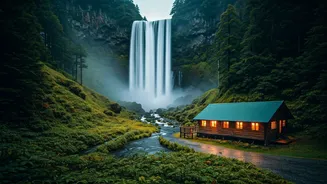
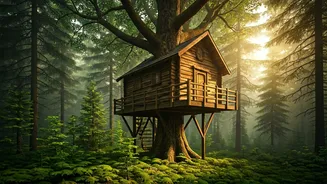
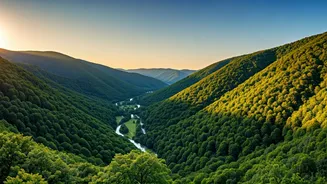
Beach, more Shenandoah Valley. This isn't just about avoiding tan lines; it's a fundamental recalibration of what we want from our time off. The data shows a clear pattern: searches for cabins, mountain lodges, and rural retreats have skyrocketed. The new vacation currency isn't the best beachfront spot, but the most profound silence.
An Antidote to Burnout
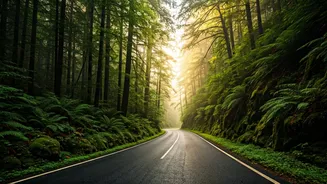
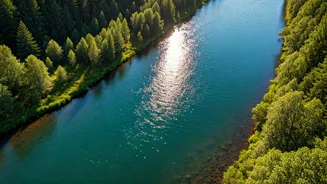
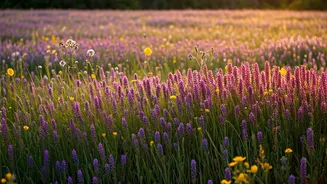
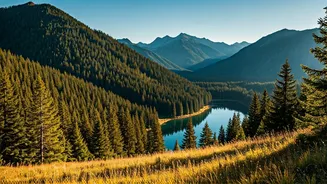
So, why the mass migration inland? The answer may lie in our collective exhaustion. After years of digital saturation and high-stress environments, the clamor of a bustling boardwalk or the relentless thud of a beach club’s sound system can feel less like a release and more like an extension of the chaos we’re trying to escape. Green valleys offer a compelling alternative. They promise space, solitude, and a chance to disconnect in a way that a crowded shore often can't. The goal is no longer just to relax, but to actively restore. A hike through a hushed forest or the simple act of watching mist rise over a mountain offers a different, deeper kind of rejuvenation than a day spent vying for a patch of sand.
The Wellness and Wanderlust Effect
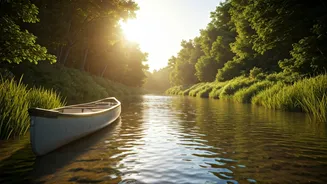
This trend is also deeply intertwined with the modern wellness movement, which prizes active recovery and connection with nature. A valley vacation is inherently active: it invites hiking, biking, kayaking on a calm lake, or simply walking. The air feels cleaner, the food often comes from a nearby farm, and the rhythm of the day is dictated by sunrise and sunset, not by happy hour specials. This aligns perfectly with a generation of travelers who see vacation not as an indulgence, but as an investment in their physical and mental health. It reframes leisure from a passive activity to a purposeful, restorative practice.
Where the Green Is Greener
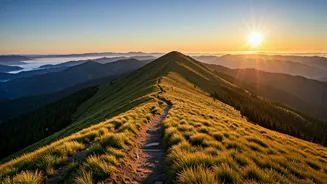
This movement isn’t confined to one region. In the Northeast, city dwellers flock to New York’s Hudson Valley or Vermont’s Green Mountains for their mix of stunning scenery, farm-to-table dining, and charming small towns. In the South, places like the Shenandoah Valley in Virginia or the foothills of the Blue Ridge Mountains in North Carolina are drawing crowds with their endless trails and vibrant local culture. Out West, beyond the famous national parks, destinations like California’s Ojai Valley or Oregon’s Willamette Valley offer a blend of agricultural beauty and sophisticated-but-relaxed charm. The common thread is a slower pace and an immersive natural environment that feels a world away from the everyday.
A Cooler, Quieter Choice
Finally, there are practical considerations driving the shift. Record-breaking summer heatwaves have made some traditional sun-and-sand destinations uncomfortably hot. Mountain and valley locations often offer a literal breath of fresh, cooler air. Furthermore, the issue of over-tourism has made many famous beaches feel more like theme parks, complete with long lines and inflated prices. For a growing number of travelers, the true luxury is no longer exclusivity, but authenticity and peace—and they’ve discovered that these are often found where the road ends and the trail begins.