






What Exactly Is This Trend?
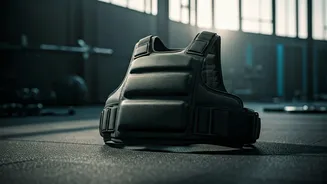
At its core, the trend is simple: it’s walking while wearing a vest that holds extra weight. This practice, sometimes called “rucking” (a term borrowed from military training, which involves carrying a weighted rucksack), has gone mainstream. The goal
is to turn a simple walk into a more challenging workout that builds both strength and endurance. Unlike strapping on ankle or wrist weights, a vest distributes the load across your torso. This engages your core and forces your legs, hips, and back to work harder to carry the extra weight, transforming a low-key activity into a potent, full-body exercise.
The Benefits: More Than Just a Walk
Why add weight to something we do every day? The benefits are surprisingly robust. First, there’s the calorie burn. Adding weight increases the energy required to move, so you burn significantly more calories than you would on a regular walk of the same duration. Second is the cardiovascular boost. Your heart has to work harder to pump blood to your laboring muscles, which can elevate your heart rate into the moderate-intensity cardio zone without the high impact of running. This makes it an excellent option for those with joint issues. Finally, it’s a form of weight-bearing exercise. The added resistance can help stimulate bone growth, improving bone density over time, which is crucial for long-term health.
The 'Functional' Fitness Angle
The term “functional fitness” refers to exercises that train your muscles to handle real-world activities. This is where weighted walks truly shine. Carrying groceries, lifting a child, or hauling a suitcase all require core stability and strength. By adding a manageable load to your torso, you’re directly training your body to be stronger and more resilient in everyday life. The constant engagement of your postural muscles to stay upright under load builds a strong, stable core and can improve your overall posture, even when you’re not wearing the vest.
How to Start Safely
Ready to try it? Safety and proper form are paramount. 1. **Choose the Right Vest:** Look for a vest that fits snugly but doesn’t restrict your breathing. The weight should be distributed evenly between the front and back. Adjustable vests are ideal, as they allow you to start light and add weight over time. 2. **Start Light:** This is the golden rule. A common recommendation is to start with a weight that is 5-10% of your body weight. For a 150-pound person, that’s 7.5 to 15 pounds. It may not feel like much at first, but it’s crucial to let your body adapt. 3. **Focus on Form:** Walk as you normally would, but be mindful of your posture. Keep your chest up, shoulders back and down, and your core engaged. Avoid leaning forward to compensate for the weight; this puts unnecessary strain on your lower back. Shorten your stride if you feel your form breaking down.
Common Mistakes to Avoid
The biggest mistake is going too heavy, too soon. This can lead to joint pain, back strain, or an injury that sidelines you completely. Your body needs time to adapt to the new load. Another common error is using a poorly fitting vest that sways or bounces, which can cause chafing and throw off your balance. Also, don't ignore pain. If you feel a sharp or persistent pain in your back, hips, knees, or ankles, take the vest off and rest. It’s better to cut a workout short than to push through and cause a real injury. This is a marathon, not a sprint—the goal is sustainable, long-term fitness.