





What Exactly Is a ‘Pantry Lunch’?
Forget the cup-of-noodles from your college days. The modern Indian pantry lunch is a sophisticated, diverse, and rapidly evolving category. It’s not about sad, sodium-laden instant meals. Instead, think of vacuum-sealed packets of ready-to-heat dal makhani
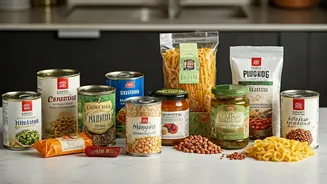
that taste surprisingly authentic, or boxes of ‘just-add-hot-water’ poha (flattened rice) and upma (savory semolina) that provide a taste of home in minutes. These are meals built from shelf-stable ingredients that drastically cut down on cooking time, which traditionally involves complex spice blending, chopping, and slow-cooking. These products are designed to bridge the gap between a time-consuming home-cooked meal and an unhealthy takeaway order. Companies like MTR Foods, a legacy brand, and a host of nimble startups are offering everything from regional specialties to healthier, millet-based options. The goal is to provide the comfort and flavor of traditional Indian food without the hours of labor, making it possible to have a satisfying, culturally familiar meal in under 10 minutes.
The New Urban Equation
So, why now? The rise of the pantry lunch is a direct consequence of India's dramatic urbanization and economic transformation. In cities like Bengaluru, Mumbai, and Gurgaon, life is defined by long commutes, demanding corporate jobs, and a fast-paced lifestyle that leaves little time for anything else. The traditional joint family system, where multiple generations lived together and household labor was shared, is giving way to nuclear families. Crucially, more women are joining and staying in the formal workforce than ever before. For millions of dual-income couples, spending hours preparing the traditional multi-dish lunch is no longer feasible or desirable. The pantry lunch isn't a sign of laziness; it's a pragmatic solution to a modern problem. It’s a tool for time management, allowing young professionals to reclaim hours in their day while still eating something that feels more wholesome than a burger and fries.
Redefining ‘Home-Cooked’
This shift represents more than just a search for convenience; it’s a cultural re-negotiation. For many, the idea of relying on packaged food was once looked down upon, associated with being a poor cook or neglecting one’s family. That stigma is rapidly fading among urban millennials and Gen Z. The new definition of a “home-cooked” meal is becoming more flexible. A pantry lunch might be supplemented with freshly made roti or a side salad, creating a hybrid meal that is both quick and personal. This is not about abandoning tradition but adapting it. Young Indians who move to different cities for work or education crave the familiar tastes of their regional cuisine. A pantry meal offers a quick, accessible link to that comfort and identity. Food brands have been quick to understand this, marketing their products not as replacements for a mother’s cooking, but as the next best thing for a busy, ambitious generation.
The Booming Business of Convenience
Unsurprisingly, the convenience food market in India is exploding. Valued in the billions and growing at a double-digit pace, it's a battleground for both established giants and innovative startups. Legacy players like ITC and Tata are expanding their ready-to-eat portfolios, leveraging their massive distribution networks. At the same time, direct-to-consumer (D2C) brands are capturing the hearts—and wallets—of health-conscious urbanites with promises of “clean labels,” no preservatives, and organic ingredients. These newer brands often focus on specific niches: breakfast mixes, regional delicacies, or healthier grain alternatives. Their marketing speaks the language of their target audience, emphasizing work-life balance, self-care, and empowerment. By positioning their products as smart life-hacks rather than just food, they are successfully framing convenience as an aspirational choice for the modern Indian household.