





The Science of 'Exercise Snacking'
Forget the 'all or nothing' mindset. The concept of 'exercise snacking,' or micro-workouts, is grounded in solid science. Research shows that breaking up prolonged sitting with short, intense bursts of activity can have significant benefits. These mini-sessions
can help regulate blood sugar, improve blood pressure, boost your mood, and increase focus. Instead of replacing a 60-minute workout, think of them as a powerful supplement. Just a few minutes of movement scattered throughout your day is vastly superior to eight hours of complete stillness, even if you hit the gym later. It’s about consistency, not duration.
The 5-Minute Cardio Blast
Need to shake off mental fog between client calls? This routine requires no equipment and instantly gets your blood flowing. It’s designed to elevate your heart rate quickly, delivering a rush of oxygen to your brain and helping you reset for your next task. Try this circuit, performing each exercise for 45 seconds with 15 seconds of rest in between: 1. **Jumping Jacks:** The classic warm-up for a reason. Keep it light and springy. 2. **High Knees:** Run in place, driving your knees up toward your chest. 3. **Butt Kicks:** Jog in place, kicking your heels toward your glutes. 4. **Mountain Climbers:** From a plank position, alternate driving your knees to your chest. After one round, you’ll feel more alert and energized, ready to tackle that next project.
The Desk-Bound Strength Set
You don't need to leave your workspace to build functional strength. Use your environment to your advantage to combat the muscle atrophy that comes with sitting. This simple set targets major muscle groups that weaken from hunching over a laptop. Aim for 10-15 repetitions of each, and run through the circuit twice if you have time. * **Chair Squats:** Stand up from your chair and sit back down slowly, tapping the seat without putting your full weight on it. This targets your glutes and quads. * **Desk Push-ups (Incline):** Place your hands on the edge of your sturdy desk, wider than your shoulders. Walk your feet back and perform a push-up. The incline makes it more accessible than a floor push-up. * **Tricep Dips:** Facing away from your chair, place your hands on the edge of the seat. Walk your feet out and lower your body until your elbows are at a 90-degree angle, then push back up.
The Posture-Correcting Mobility Break
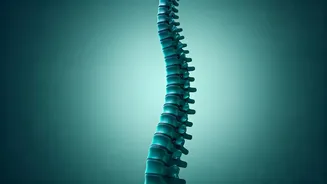
Hours of typing and staring at a screen can lead to a stiff neck, tight shoulders, and an aching back. This micro-routine is less about sweat and more about release. It’s designed to counteract the 'freelancer hunch' and improve your spinal mobility. Hold each stretch for 20-30 seconds. * **Cat-Cow Stretch:** On your hands and knees (or even seated, arching and rounding your spine), this classic move lubricates the spinal column. * **Thoracic Spine Rotations:** From a tabletop position, place one hand behind your head. Rotate that elbow up toward the ceiling to open your chest, then bring it down to tap your opposite elbow. * **Overhead Reach:** Sit or stand tall and interlace your fingers. Push your palms toward the ceiling, lengthening your entire torso and decompressing your spine.
The Core Refresher Circuit
A strong core is the foundation of good posture and helps prevent lower back pain—a common complaint for desk workers. This quick circuit can be done on any patch of floor and takes less than three minutes to complete. It reactivates the deep abdominal and back muscles that tend to switch off when you're sitting. * **Plank:** Hold for 30-60 seconds. Focus on keeping a straight line from your head to your heels, engaging your abs and glutes. * **Bird-Dog:** From a tabletop position, extend your right arm and left leg simultaneously, hold for a second, and return to the start. Alternate sides for 10-12 reps per side. This builds stability and coordination. * **Glute Bridge:** Lie on your back with your knees bent. Lift your hips toward the ceiling, squeeze your glutes, and lower back down. Aim for 15 reps.