



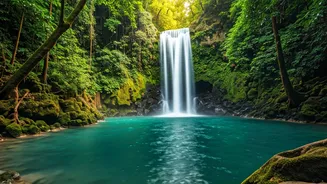

Why Green is The New Gold
After years of go-go-go vacationing, where a packed schedule was a badge of honor, travelers are collectively taking a deep breath. The new travel currency isn't about how many landmarks you can see, but how deeply you can disconnect and recharge. This
shift, amplified by a growing awareness of wellness and screen-time burnout, has put nature at the forefront. Psychologists call it 'biophilia'—our innate human tendency to seek connections with nature. Travel experts see it in booking trends: a surge in demand for cabins, rural retreats, and destinations defined by trails and trees instead of traffic and tourists. This isn't just about 'eco-tourism' in the strict sense; it’s a broader embrace of landscapes that soothe the soul.
The Forest Bathing Escape
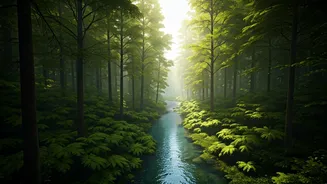
Inspired by the Japanese practice of 'shinrin-yoku,' a forest bathing trip is less about strenuous hiking and more about mindful immersion. The goal is to simply 'be' in the woods—listening to the birds, feeling the breeze, and breathing in the phytoncides (aromatic compounds released by trees) that are proven to reduce stress. These getaways can be guided retreats or self-directed weekends. Look for destinations known for their dense, ancient forests, like the redwood groves of Northern California, the moss-draped Hoh Rainforest in Washington's Olympic National Park, or the misty mountains of Appalachia in North Carolina and Tennessee. It’s the ultimate antidote to a cluttered mind.
The Luxury Eco-Lodge
For those who want their nature fix without sacrificing comfort, the luxury eco-lodge is the answer. These properties masterfully blend high-end amenities with a deep respect for their surroundings. Think private cabins with floor-to-ceiling windows overlooking a pristine valley, locally sourced gourmet meals, and activities that connect you to the environment, like guided nature walks or stargazing sessions. These lodges often prioritize sustainability, using renewable energy and conservation-forward practices. Destinations like Big Sur, California; the Hudson Valley in New York; or the Hill Country of Texas are hotspots for this kind of refined, rustic experience, proving you don't have to rough it to get back to nature.
The Botanical Garden City Break
You don't always have to venture deep into the wilderness to find your green getaway. A growing trend is the 'botanical city break,' where the trip's anchor isn't a museum or a theater but a world-class botanical garden or arboretum. You can spend days exploring curated landscapes, from tropical conservatories to serene Japanese gardens. It's a way to experience horticultural artistry and find tranquility within an urban footprint. Cities like Philadelphia (home to Longwood Gardens), St. Louis (with its magnificent Missouri Botanical Garden), or even New York (the NYBG in the Bronx) offer incredible green sanctuaries that can serve as the centerpiece of a refreshing, accessible, and surprisingly lush vacation.
The Regenerative Farm Stay
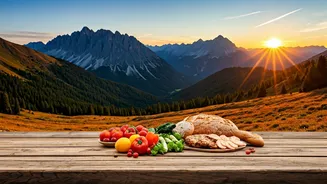
Taking the farm-to-table concept to its logical conclusion, a regenerative farm stay offers a hands-on connection to the land. This is more than just a rustic B&B. These working farms invite guests to learn about sustainable agriculture, wander through productive gardens, and enjoy meals made with ingredients harvested just steps away. It’s an experience that nourishes both body and mind, grounding you in the cycles of nature and food. From the rolling hills of Vermont's dairy farms to the vineyards and orchards of Oregon's Willamette Valley, these stays offer a wholesome, educational, and deeply restorative kind of travel that leaves you with a greater appreciation for where your food comes from.