







From Table Scraps to Tailored Diets
For generations, the concept of dedicated 'pet food' was a niche, urban luxury in India. Most dogs and cats ate what the family ate: rice, roti, dal, and other table scraps. While born of affection, this diet often lacked the specific nutrients animals
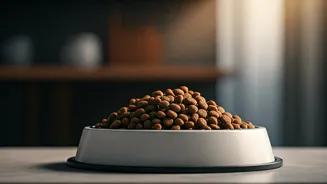
need. Today, that paradigm is being completely upended. A burgeoning market for commercially prepared pet food is exploding, and at the spear tip of this movement is a specific demand for high-protein, grain-free, and life-stage-specific formulas. This isn't just about convenience; it's a conscious choice reflecting a deeper cultural shift. Pet owners are no longer just 'owners'; they are 'pet parents,' and they are investing heavily in their furry companions' health and wellness, mirroring trends long seen in the United States and Europe.
The 'Pet Humanization' Megatrend
The driving force behind the premium pet food boom is a phenomenon sociologists call 'pet humanization.' As India’s middle class expands and urbanizes, traditional family structures are evolving. Young, dual-income professional couples in cities like Mumbai, Bengaluru, and Delhi are delaying having children or choosing not to have them at all. For many, pets fill that emotional space, becoming cherished members of the immediate family. They are given human names, celebrate birthdays, and are lavished with the best care money can buy. This emotional investment directly translates into spending habits. Just as a parent wants the best nutrition for their child, these pet parents are scrutinizing ingredient labels and seeking out products that promise enhanced vitality, a shinier coat, or better digestive health. High-protein formulas are seen as the pinnacle of this nutritional ladder, a clear signifier of providing the 'best.'
A Market Unleashed by Startups and Giants
This surging demand has created a gold rush. The Indian pet food market, valued at over $400 million, is projected to grow at a blistering pace, with some estimates suggesting a compound annual growth rate of over 15%. International giants like Mars Petcare (owner of Royal Canin and Pedigree) and Nestlé (Purina) have long been present, but the landscape is now being energized by a new wave of domestic, direct-to-consumer (D2C) startups. Brands like Heads Up For Tails and Dogsee Chew are capturing the imagination of millennial and Gen Z pet parents with slick digital marketing, subscription models, and specialized product lines, including artisanal treats and high-protein meals. E-commerce platforms like Amazon India and dedicated pet-supply sites have been crucial, giving these brands national reach and making it easier than ever for consumers in smaller cities to access premium products once only available in major metropolitan areas.
More Than Just Kibble
The demand for high protein goes beyond simple marketing. It's linked to the global wellness movement and the influence of veterinarians and online 'petfluencers' who champion species-appropriate diets. Indian consumers are increasingly educated about canine and feline nutritional needs, understanding that dogs and cats are natural carnivores who thrive on protein-rich foods. This knowledge, combined with rising disposable income, makes the higher price point of premium foods justifiable. Brands are responding with sophisticated formulations featuring chicken, lamb, and fish as primary ingredients, often touting 'grain-free' recipes that appeal to owners concerned about allergies and fillers like corn and soy. The protein-packed bowl has become a status symbol of responsible and loving pet ownership.