


Welcome to the Araku Valley
Tucked away in the Eastern Ghats mountain range of southern India lies Andhra Pradesh, a state known for its rich history and spicy cuisine. But in recent years, one of its hill stations, the Araku Valley, has become an unlikely star on social media.
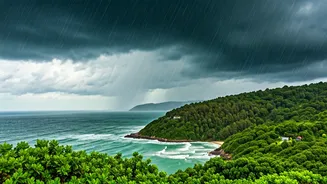
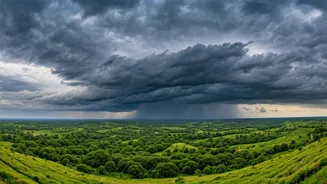
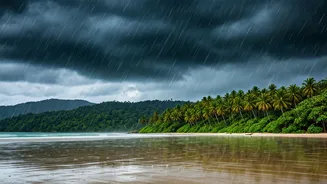
Traditionally a quiet region celebrated for its coffee plantations and tribal culture, Araku and its surroundings are now drawing a new kind of visitor: the monsoon tourist. During the rainy season, typically from June to September, the landscape transforms into a jaw-dropping spectacle of vibrant greens and dramatic, low-hanging clouds that blanket the hillsides. For American travelers looking for destinations far off the typical Delhi-Agra-Jaipur “Golden Triangle” circuit, it presents a vision of India that feels both ancient and otherworldly.
The Allure of the Monsoon Clouds
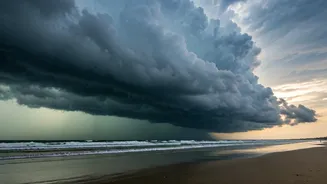
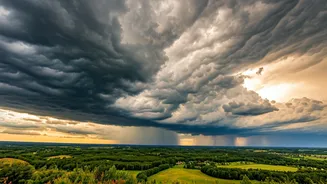
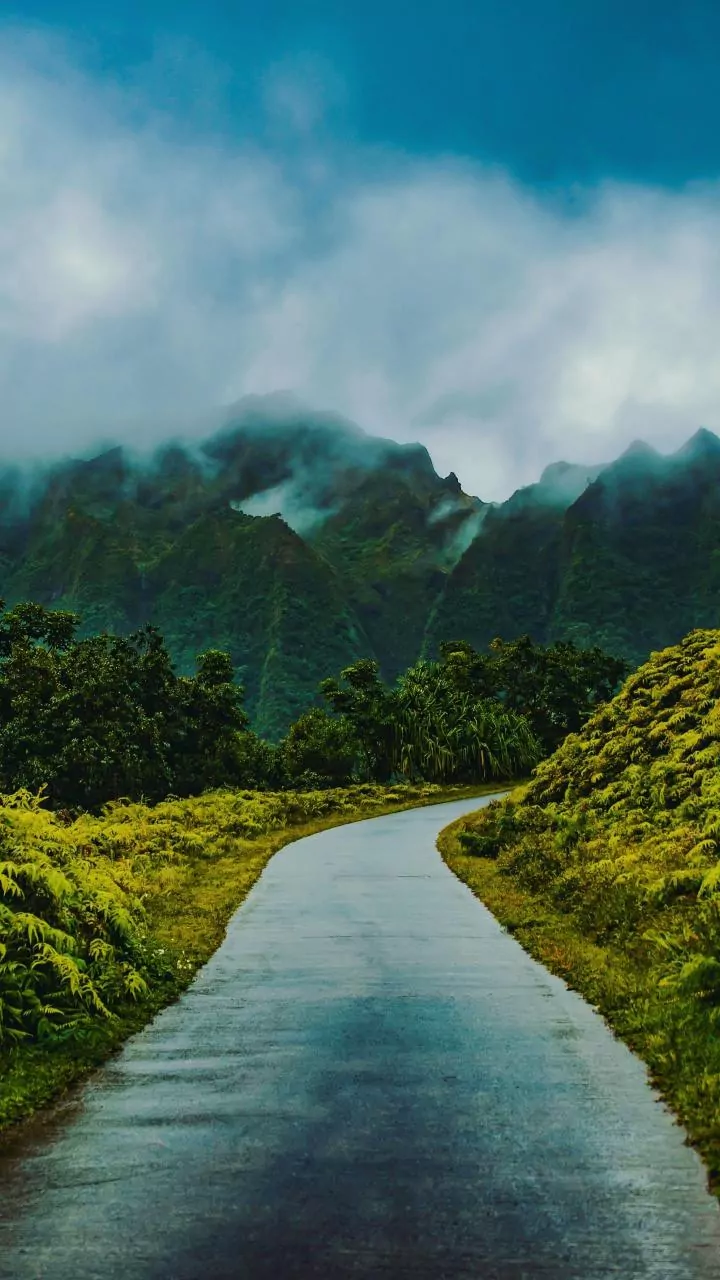
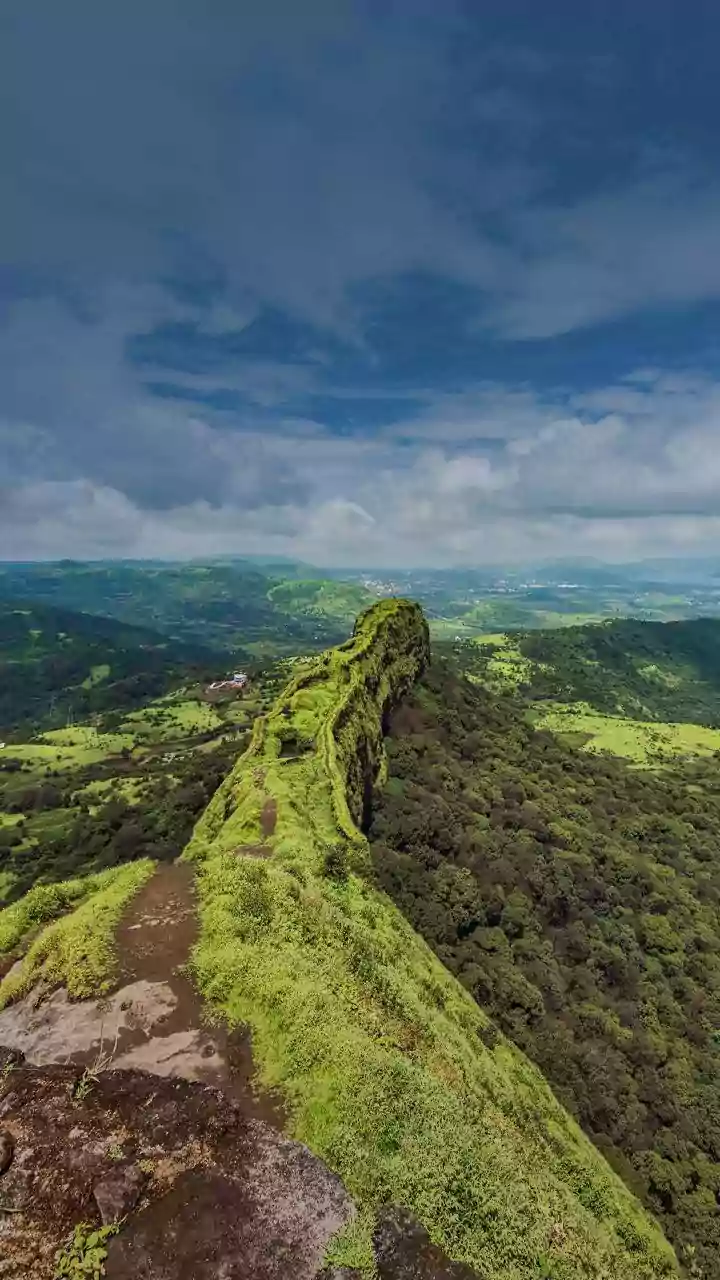
These aren't just your average rain clouds. The phenomenon captivating visitors involves dense layers of stratus clouds getting trapped by the unique topography of the valleys. As the monsoon winds push moisture inland from the Bay of Bengal, the hills force the air to rise and cool, creating fog-like clouds that flow like rivers through the landscape. At viewpoints like the Galikonda View Point, visitors can look down upon a sea of white, with only the highest peaks poking through. This surreal effect, often enhanced by the golden light of sunrise or sunset, has created a gold rush for photographers and Instagrammers. Videos of cars driving through what looks like the sky have gone viral, turning a seasonal weather pattern into a must-see event.
When Beauty Grinds Things to a Halt
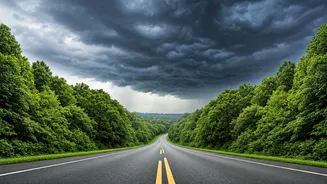
Here's the catch: the very thing drawing people in is also causing massive disruption. The headline's 'changing travel timelines' isn't just about tourists deciding to stay an extra day to capture the perfect photo, though that happens. It's about real, significant logistical headaches. The winding, narrow roads that climb the Ghats become treacherous when visibility drops to near zero. What should be a scenic, two-hour drive can turn into a six-hour crawl, with traffic backed up for miles as drivers navigate the dense fog. Local authorities often have to manage huge traffic snarls, especially on weekends when domestic tourist numbers swell. This turns a dreamy getaway into a frustrating ordeal for those unprepared for the reality behind the pretty pictures.
The Ripple Effect on Travel Plans
The impact goes beyond just traffic. The intense rainfall that accompanies these clouds can increase the risk of small landslides, temporarily blocking roads and cutting off access to remote resorts or villages. For travelers on a tight schedule—perhaps trying to catch a flight from the coastal city of Visakhapatnam—a sudden road blockage or an hours-long fog delay can throw an entire itinerary into chaos. Local hoteliers and tour operators are adapting, advising guests to build buffer days into their plans and to travel early in the morning before the clouds fully settle in for the day. It's a classic travel paradox: the wild, untamed nature that makes a place beautiful is the same force that defies human schedules and convenience.
Embracing the Slowdown
For anyone considering a trip to see this spectacle, the key is a shift in mindset. Monsoon travel in India is not about efficiency; it's about immersion. Instead of trying to rush from one viewpoint to the next, the savvy traveler embraces the slowdown. It means hiring an experienced local driver who knows the roads, packing for wet and cool conditions, and choosing a hotel with a great view for those moments when you are inevitably fogged in. The reward isn't just a great photo, but the experience of watching nature's drama unfold in real time. The changing timelines, then, become part of the adventure—a forced lesson in patience and an opportunity to simply sit with a cup of locally grown coffee and watch the clouds roll by.