



Master Nutrient Synergy
Eating smarter isn't just about what you eat, but what you eat *together*. This is the concept of nutrient synergy, where combining certain foods enhances your body's ability to absorb key vitamins and minerals. The classic example is pairing iron-rich
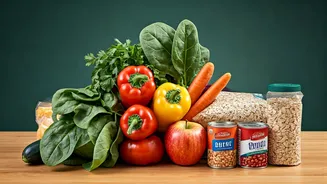
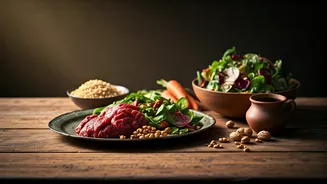
foods with Vitamin C. Plant-based iron (found in lentils, spinach, and beans) is 'non-heme' iron, which is harder for our bodies to absorb than the 'heme' iron from meat. A simple squeeze of lemon juice (rich in Vitamin C) over a lentil soup or adding bell peppers to a spinach salad dramatically increases iron uptake. Similarly, pairing fat-soluble vitamins like A, D, E, and K (found in leafy greens and orange vegetables) with a healthy fat like avocado, olive oil, or a handful of nuts ensures you’re actually getting the benefits.
Embrace a Root-to-Stem Mentality
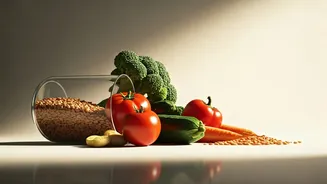
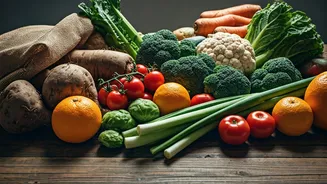
A smart diet is a low-waste diet. The 'root-to-stem' or 'nose-to-tail' approach to vegetables is a game-changer for both your budget and your nutrient intake. Many parts of vegetables that we habitually discard are perfectly edible and often packed with flavor and nutrition. Broccoli stalks, for instance, can be peeled and roasted alongside the florets or shredded into a delicious slaw. The leafy green tops of carrots, beets, and radishes can be blended into a pesto or sautéed with garlic and olive oil, just like kale. Even tough cauliflower cores or herb stems can be saved in a freezer bag and used to make a deeply flavorful vegetable stock from scratch. This approach forces creativity, reduces grocery bills, and ensures you’re extracting the maximum value from every single vegetable you buy.
Get Strategic with Grains and Legumes
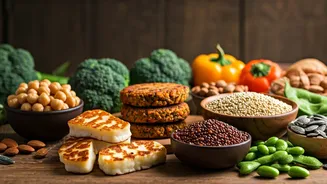
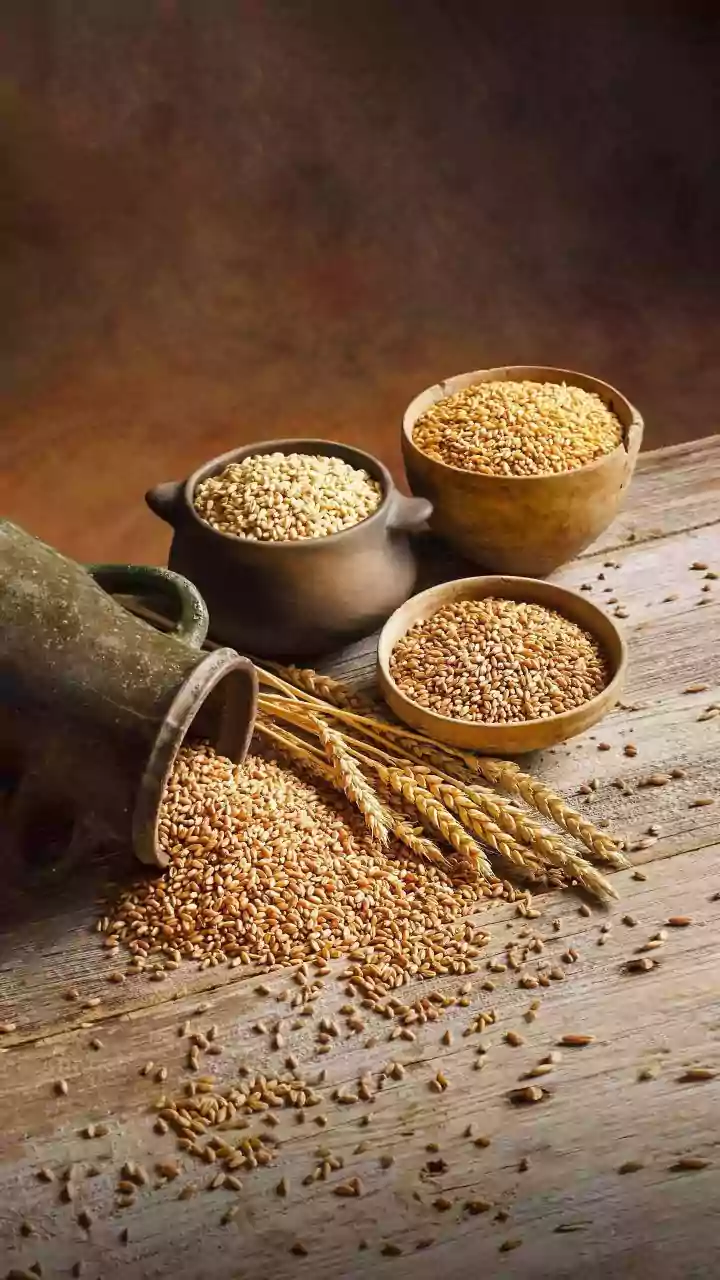
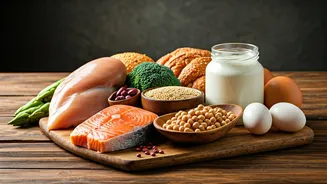
Many plant-based eaters rely heavily on grains and legumes, but not all preparation methods are equal. Soaking and sprouting are two simple, age-old techniques that can unlock more nutrition and make these staples easier to digest. Soaking beans, lentils, and whole grains overnight helps break down phytic acid, an antinutrient that can bind to minerals like zinc, iron, and calcium, preventing their absorption. Sprouting takes this a step further. By allowing grains or legumes to just begin to germinate, you activate enzymes that increase the availability of vitamins and make proteins more digestible. You don't need special equipment—a simple mason jar with a mesh lid will do. This small amount of prep work pays huge dividends in digestive comfort and nutrient access.
Leverage the Power of Fermentation
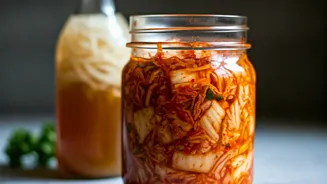
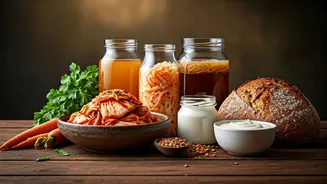
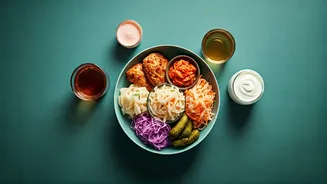
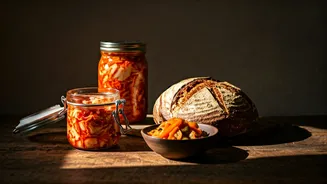
Fermented foods are having a moment, and for good reason. For vegetarians, they serve a dual purpose: providing complex, savory 'umami' flavors often missed from meat, and supporting a healthy gut microbiome. Incorporating foods like kimchi, sauerkraut, miso, and tempeh adds a powerful flavor dimension that can elevate a simple bowl of rice and vegetables. Miso paste, for example, can create a deeply satisfying broth or a glaze for roasted tofu. Beyond flavor, the live cultures in these foods introduce beneficial bacteria to your digestive system, which is linked to better immunity, mood, and overall health. Think of it as a natural, food-based probiotic that also makes your dinner more exciting.
Rethink Your Meal Prep
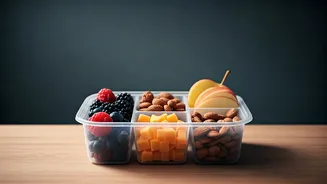
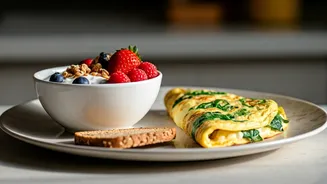
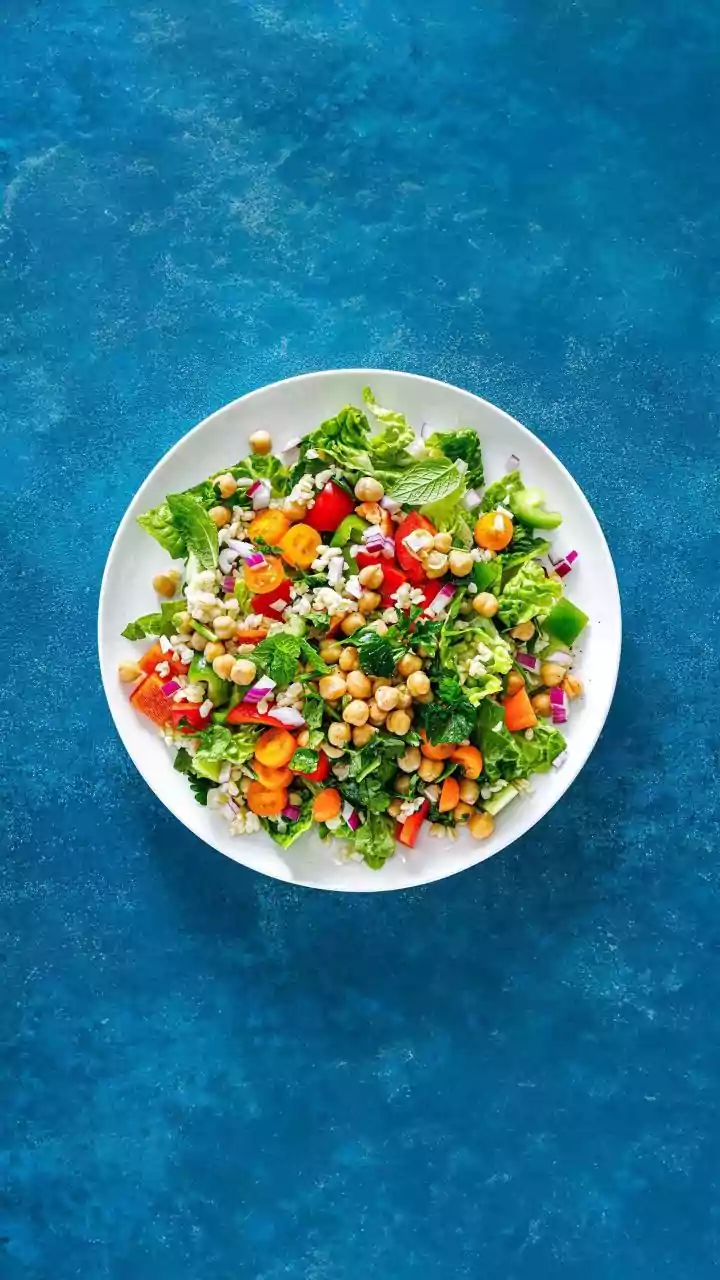
Smarter meal prep isn't about making five identical, sad-looking lunches for the week. It's about 'component prep.' Instead of full meals, spend an hour or two prepping versatile ingredients you can mix and match. Cook a large batch of a hearty grain like quinoa or farro. Roast a big tray of mixed vegetables (broccoli, sweet potatoes, onions). Make a flavorful dressing or sauce, like a tahini-lemon dressing or a cilantro-lime vinaigrette. Hard-boil some eggs or press a block of tofu. With these components ready in your fridge, you can assemble a huge variety of meals in minutes: a grain bowl for lunch, a hearty salad for dinner, a quick veggie taco, or a filling for an omelet. This method prevents flavor fatigue and gives you the flexibility to build meals based on what you’re craving.