



The Scotland of India
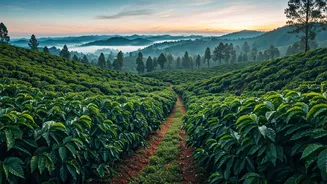
Nestled high in these mountains in the state of Karnataka is Coorg, or Kodagu, a district often called “The Scotland of India.” While the comparison might seem a stretch for a tropical region, spend a day here and you’ll understand the sentiment. The rolling
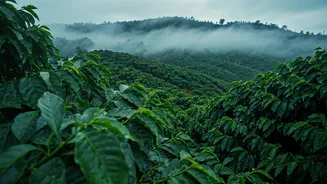
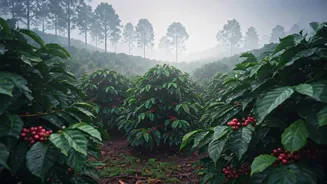
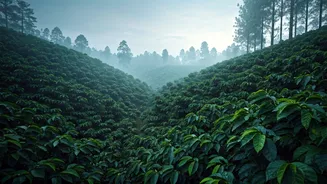
hills, shrouded in a near-permanent haze, possess a wild, untamed beauty that feels worlds away from the bustling plains below. This isn’t a landscape of sharp, dramatic peaks, but of soft, undulating slopes carpeted in dense forests and meticulously cultivated plantations. The romance of the Western Ghats is one of atmosphere. It’s the sound of the monsoons drumming on a tin roof, the sight of a brilliant sunset breaking through the clouds, and the feeling of cool, clean air on your skin. It’s a place that encourages you to slow down, to breathe deeply, and to simply be present in nature’s overwhelming embrace.
Where Coffee is King
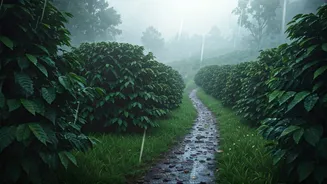
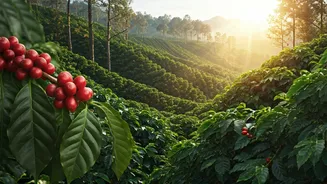
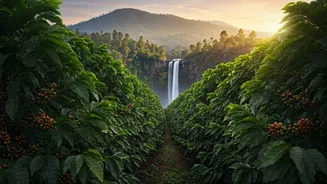
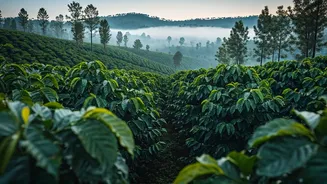
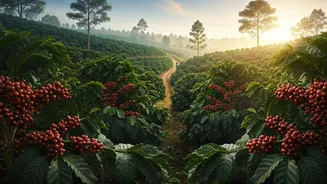
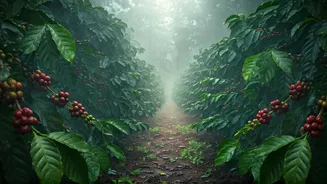
What truly sets Coorg apart, giving this romance its unique flavor, is coffee. This isn’t just a crop; it’s the region’s soul. Drive along any winding road and you’ll be flanked by endless expanses of coffee bushes, their glossy green leaves shaded by the canopy of taller silver oak, rosewood, and teak trees. Introduced by the British in the 19th century, coffee cultivation transformed Coorg’s economy and its very landscape. The two main varieties, Arabica and Robusta, thrive in this climate. The life of the region revolves around the coffee calendar: the delicate, jasmine-scented blossoms that appear after the first showers in March, the green cherries swelling through the monsoon months, and the bustling harvest from November to January, when pickers move through the estates, selectively plucking the ripe, red fruit. To visit Coorg is to be immersed in this world, where the first aroma you encounter in the morning is not just the mist, but the promise of a perfectly brewed cup.
Life on the Estate
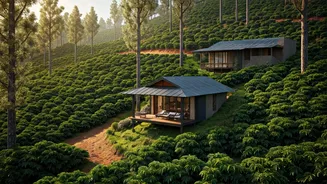
For American travelers seeking an authentic experience, the best way to understand Coorg is to stay on one of its many coffee plantations. The region is famed for its homestays, which range from rustic cottages to sprawling colonial-era bungalows, often run by the very families who have owned the land for generations. This isn’t a sterile hotel stay; it’s an invitation into a way of life. Your hosts might walk you through their estate, explaining the intricate process of growing, harvesting, and processing coffee beans. You’ll learn to distinguish the scent of black pepper vines climbing the trees from the sweet smell of cardamom growing in the shade. The hospitality is legendary, built around slow-paced days and evenings spent sharing stories over meals that showcase the distinct local cuisine. It’s a chance to disconnect from the digital world and reconnect with the land and the people who steward it.
Beyond the Bean
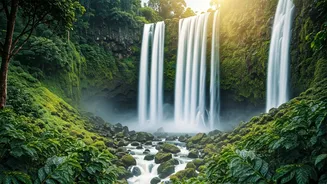
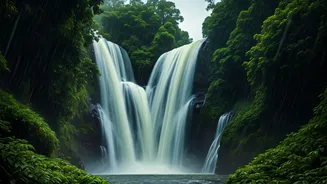
While coffee is the headliner, Coorg’s supporting cast is just as compelling. This is the source of the mighty Kaveri River, a sacred waterway for millions, and home to stunning waterfalls like Abbey and Iruppu Falls, which cascade through the dense jungle, especially after the monsoon rains. The local culture belongs to the Kodavas, a proud, martial community with a unique heritage, distinct language, and traditional dress. Their cuisine is a carnivore’s delight, famous for its generous use of local spices and, most notably, its iconic Pandi Curry (pork curry). A visit to the bustling market town of Madikeri reveals another layer of the region, where you can buy fresh-ground coffee, fragrant spices, and local honey directly from producers. This rich tapestry of nature, culture, and agriculture is what gives Coorg its depth, proving it’s far more than just a pretty place that grows coffee.