


From Logistics to Aesthetics
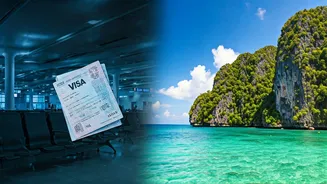
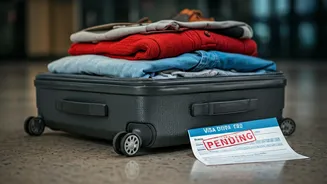
For years, the gold standard of vacation planning was optimization. It was a game of numbers played across countless browser tabs: finding the cheapest flight, the best-reviewed hotel on a budget, and the most efficient itinerary to cram in every landmark.
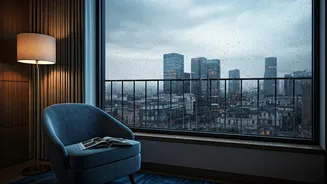
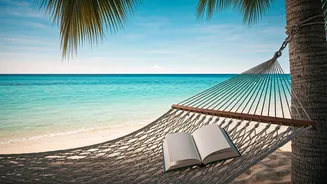
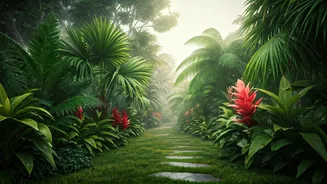
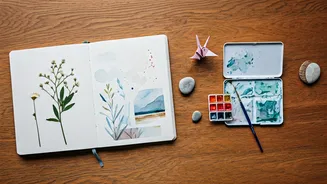
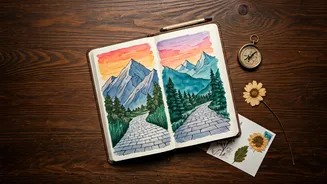
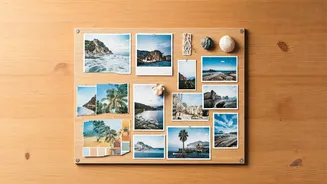
The spreadsheet was your sacred text, a monument to logic and savings. But a significant cultural shift is underway. Planning is becoming less about logistical mastery and more about aesthetic curation. Enter the mood board, a digital collage of images, colors, and textures that captures a specific feeling. Instead of starting with “Where can I get a cheap flight to in May?” planners are now starting with “I want a trip that feels like a sun-drenched Italian romance novel” or “I need the moody, academic quiet of a secluded Scottish library.” The destination becomes a function of the feeling, not the other way around. It’s a move from pragmatism to poetry, prioritizing the emotional and visual texture of a trip from its very inception.
The Platforms Fueling the Fantasy
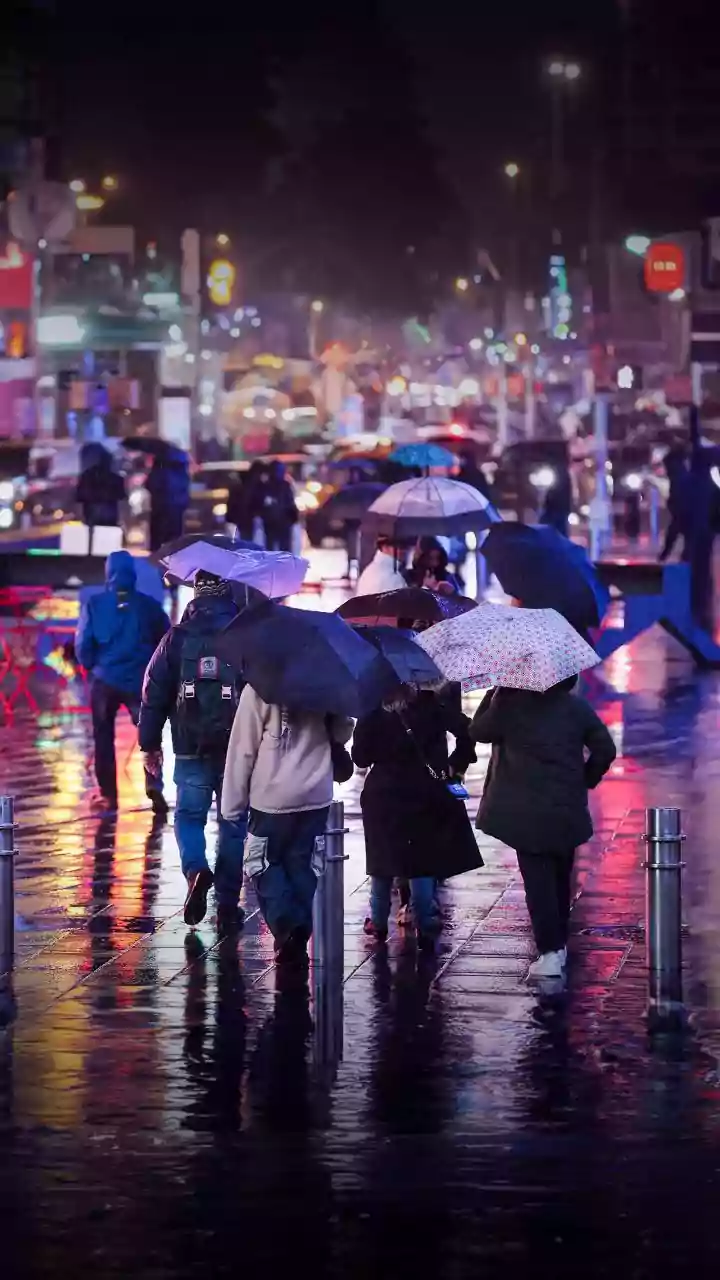
This evolution is being powered by the visual-first nature of modern social media. Pinterest, the original digital scrapbook, is the undisputed epicenter of this trend. Users aren’t just pinning photos of the Eiffel Tower; they’re creating intricate boards for “Parisian rainy day aesthetic,” complete with images of café steam, glistening cobblestones, trench coats, and well-loved books. TikTok and Instagram have accelerated the phenomenon with short-form video. A 15-second clip of waves crashing on a black sand beach in Iceland or a montage of colorful doorways in Lisbon can instantly create a powerful sense of place and desire. Influencers no longer just show you where they went; they sell you a complete, packaged vibe. The algorithm learns your aesthetic preferences, feeding you an endless scroll of windswept coastal towns or vibrant, bustling cityscapes until a nascent travel dream crystallizes into a full-blown mood board.
Why We're Chasing the Vibe
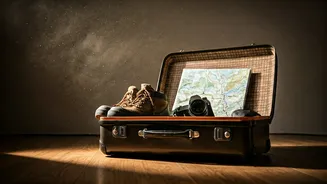
So, why now? This shift is more than just a byproduct of visual apps. It’s a psychological response to a decade of hyper-optimization and the collective burnout that followed. The ‘travel hacking’ culture, while effective, often turned vacation planning into another stressful job to be min-maxed. Mood boarding is a form of gentle rebellion against that pressure. It re-centers joy and imagination in a process that had become overwhelmingly analytical. Furthermore, in a post-pandemic world, there's a heightened desire for travel to be transformative and meaningful, not just a checklist of sights. Curating a trip around a feeling is a way to ensure the experience aligns with a deeper emotional need—whether it’s for quiet solitude, creative inspiration, or glamorous escape. It’s a promise to yourself that the vacation will not only look good, but *feel* right.
Beyond the Picture-Perfect Facade
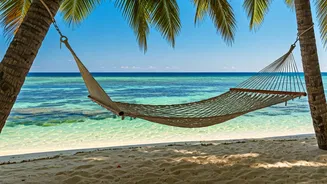
Of course, there’s a cynical take. Does planning a trip around an aesthetic set us up for disappointment when reality doesn’t match the filtered fantasy? The “Instagram vs. Reality” trope is a well-documented travel hazard. A mood board full of empty, serene beaches doesn’t prepare you for the actual crowds, the overpriced drinks, or the occasional cloudy day. However, proponents argue that mood boarding can actually lead to more authentic and unique travel. By focusing on a *type* of experience rather than a famous landmark, travelers may discover less-touristy destinations that perfectly fit their desired vibe. A desire for “charming, historic European village with great food” might lead you to a hidden gem in Slovenia instead of the overrun streets of Rome. The mood board, when used thoughtfully, isn't just a tool for imitation. It's a compass for discovery, pointing you toward the places that will resonate with your soul, not just your camera.