





From 'Mirror Muscles' to Life Muscles
So, what exactly is functional fitness? At its core, it’s training your body to handle real-life activities safely and efficiently. Think about the movements you do every day without a second thought: lifting a heavy grocery bag, hoisting a suitcase into
an overhead bin, picking up a toddler, or just getting up from a low chair without using your hands. Functional fitness designs workouts around these exact types of motions. Instead of isolating a single muscle group, like a bicep curl, it uses compound exercises that engage multiple muscles and joints simultaneously. The goal isn't to build a body that simply looks good in a photo, but to build one that serves you well in the messy, unpredictable business of living. It's the difference between training for the beach and training for life.
The Old School vs. The New Rulebook
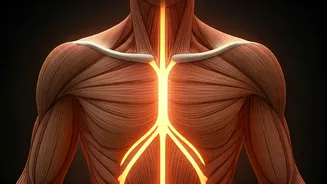
The traditional gym model often revolves around machines and isolation exercises. You do your sets of leg extensions, then chest presses, then crunches, working body parts in a fragmented way. This approach, borrowed from bodybuilding, is effective for building muscle size (hypertrophy) but can be less effective at improving coordinated, real-world strength. Functional fitness throws out that rulebook. It prioritizes five fundamental human movements: pushing (like a push-up or pushing a door), pulling (like a row or pulling a lawnmower starter), squatting (getting up from a chair), lunging (climbing stairs), and carrying (the aforementioned groceries). By training these patterns, you’re not just strengthening muscles; you’re teaching your body to work as an integrated system. This improves balance, coordination, and stability, reducing the risk of injury when you're doing chores or playing a pickup game of basketball.
What a Functional Workout Actually Looks Like
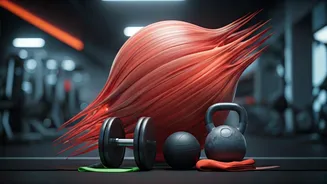
If you walk into a gym focused on functional fitness, you might see fewer complex machines and more open space. You'll see people swinging kettlebells, flipping tires, carrying sandbags, and performing bodyweight exercises like bear crawls and planks. A typical workout might include a circuit of farmer's walks (carrying heavy weights in each hand and walking), box jumps (jumping onto a sturdy platform), medicine ball slams, and goblet squats. While it can look intense, the beauty of functional fitness is its scalability. A 'box jump' for a beginner might be a simple step-up. A 'farmer's walk' for an older adult might involve carrying light dumbbells to mimic bringing in groceries. The weight and intensity are adjusted to the individual's ability, but the foundational movement pattern remains the same. The focus is on quality of movement over sheer quantity of weight.
The 'Why Now?' Factor
The recent explosion in functional fitness's popularity isn't an accident. It's a response to a collective burnout with the punishing, often shame-based aesthetics-first fitness culture of the past. More people, especially after experiencing the physical limitations highlighted by a more sedentary pandemic lifestyle, are asking a different question: not 'How do I look?' but 'What can my body do for me?' There's a growing desire for longevity, resilience, and pain-free movement. People want to be able to play with their kids without throwing out their back, enjoy active hobbies into their later years, and feel capable and independent. Functional fitness provides a direct, practical path to those goals, making it a more meaningful and sustainable approach for a generation less interested in perfection and more interested in performance—in life, not just in the gym.