



What Exactly Is ‘Digital Craft’?
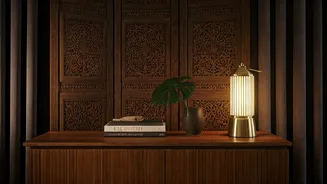
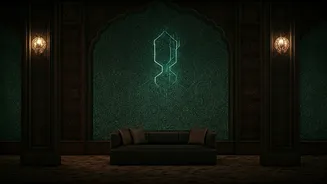
Imagine a living room where arched doorways, reminiscent of Mughal architecture, are carved from smooth, unbroken plaster. Picture sunlight filtering through intricate ‘jali’ screens that seem woven from light itself. The textures are rich—terracotta,
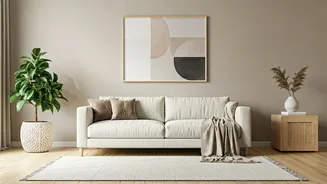
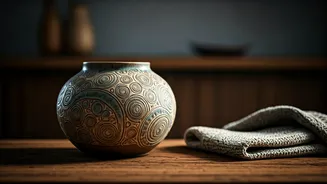
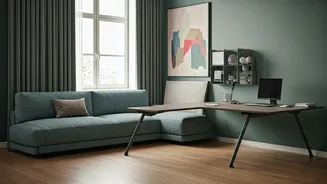
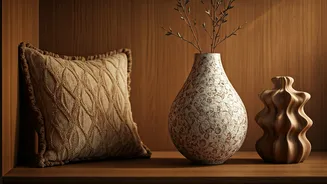
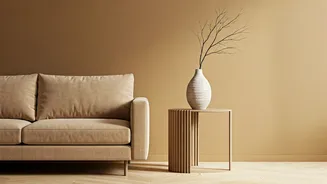
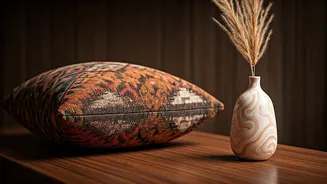
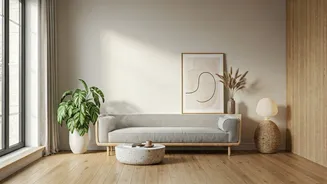
lime wash, and hand-carved wood—but the lines are clean, almost surreal. This is the essence of Digital Craft. It isn’t one single style, but rather an emerging aesthetic born from the collaboration between human designers and artificial intelligence. By feeding text-to-image generators like Midjourney specific, culturally-rich prompts, creators are producing a flood of visuals that blend traditional Indian craftsmanship with a sleek, minimalist, and often otherworldly sensibility. The resulting images showcase spaces that feel familiar in their soul but new in their execution, a look that’s deeply rooted in heritage yet completely at home in the 21st century.
The AI Engine Behind the Vision
This trend isn't happening because of a new type of furniture or paint. It’s happening because of a new type of tool. AI image generators are allowing designers, architects, and even enthusiastic amateurs to become visual storytellers. Instead of sketching or creating complex 3D models from scratch, they are crafting detailed prompts. A prompt might read: “An airy apartment in Mumbai, minimalist with traditional Rajasthani wood carving details, warm afternoon light, photorealistic.” The AI then interprets this, pulling from its vast dataset of images to generate a unique concept. The “craft” comes from the user’s ability to refine these prompts, layering architectural styles, materials, and moods to conjure a specific feeling. It’s a dialogue between human intention and machine interpretation, and the results are often surprising, inspiring, and far beyond what one might have initially sketched on paper.
A Modern Twist on Deep-Rooted Tradition
So why has this aesthetic taken hold so powerfully in the Indian context? It speaks to a modern cultural moment. There’s a renewed, global appreciation for artisanal, handmade goods, but also a desire for clean, contemporary living. Digital Craft perfectly marries these two impulses. It allows for the celebration of centuries-old techniques—like block printing, inlay work, and intricate weaving—without the literal dustiness of an antique-filled room. The AI can imagine a perfectly smooth wall adorned with a single, flawlessly rendered carving, or a rug with a traditional pattern executed in a vibrant, futuristic color palette. It’s a way of honoring the past without being trapped by it, creating a visual language that feels both authentically Indian and globally modern. For a young, upwardly mobile generation living in urban apartments, it represents an ideal: a home that is connected to its roots but looks toward the future.
From Digital Dream to Physical Reality?
Here’s the important distinction: this aesthetic is primarily sweeping across social media feeds, not physical apartment buildings—at least, not yet. While the headline might suggest a country-wide renovation boom, the reality is that Digital Craft is currently more of an influential design movement than a widespread construction trend. These AI-generated images are serving as powerful mood boards and inspirational springboards for real-world projects. Interior designers are using them to communicate complex ideas to clients, helping them visualize a feeling before a single wall is painted. The challenge, of course, is translating these perfect, often physically impossible digital renders into tangible spaces. An AI can create a floating staircase with no visible support, but a real-world engineer cannot. This gap between digital dream and physical reality is where the trend’s next chapter will be written, as artisans and builders find clever ways to interpret these AI-fueled visions.