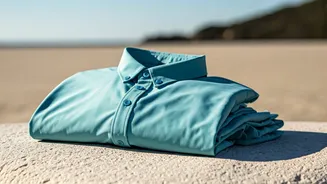







The Freedom of the Hotel Sink
Here’s a scene: you’re halfway through a two-week trip, and your favorite shirt falls victim to a splash of red wine. With traditional cotton, that shirt is out of commission until you find a laundromat. With quick-dry fabric, however, this is a minor
inconvenience, not a logistical crisis. The true power of these garments is the ability to wash them in a hotel sink with a bit of soap, wring them out in a towel, and hang them to dry overnight. By morning, they’re fresh and ready to wear. This simple capability fundamentally changes the travel equation. It means you can pack half as much, confident that you can refresh your core items on the fly. This isn’t just about cleanliness; it’s about reducing the mental load of managing your clothes on the road, freeing up time and energy for the actual purpose of your trip: exploration and enjoyment.
Your Personal Weather Shield
Travel is unpredictable, and weather is the most common culprit. A sunny morning in the city can turn into a damp, drizzly afternoon. In a cotton tee, that light rain leaves you soggy, chilled, and uncomfortable for hours. Quick-dry materials, by contrast, are engineered to handle moisture. Synthetics like polyester and nylon don't absorb water the way cotton does, allowing rain to bead up and roll off. Even if you get soaked, they dry out remarkably fast, often while you're still wearing them. For humid climates or active days, the benefits are even more pronounced. Materials like merino wool are exceptional at wicking sweat away from your skin, keeping you cooler and drier. This thermal regulation prevents that gross, clammy feeling and helps you stay comfortable whether you’re hiking a trail or navigating a sweltering subway platform. Your clothes work *with* you, not against you.
The Art of Packing Light
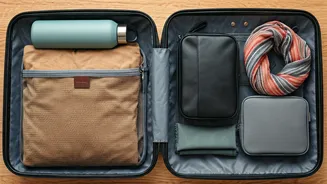
The one-bag travel movement isn't just for minimalists; it’s for anyone who has ever wrestled a bulky suitcase up a flight of cobblestone stairs. Quick-dry clothing is the key that unlocks this level of travel freedom. Because each piece is versatile and easily refreshed, you need fewer of them. Three quick-dry shirts can do the work of seven cotton ones. One pair of versatile, quick-dry travel pants can take you from a morning hike to a casual dinner, replacing two or three other pairs. These fabrics are also typically lightweight and less prone to wrinkling than their natural counterparts, especially when rolled tightly. The result is a lighter, smaller bag that breezes through airline carry-on sizers, saves you from checked-bag fees, and makes you more mobile and agile as a traveler. The drama of lost luggage, overweight fees, and cumbersome bags simply vanishes.
Decoding the Tags: What to Look For
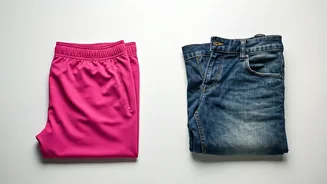
Navigating the world of technical fabrics can feel intimidating, but it’s simpler than it seems. Look for these key materials: Polyester and Nylon are the workhorses of the quick-dry world. They are durable, wrinkle-resistant, and dry exceptionally fast, making them ideal for everything from shirts to pants. Merino Wool is a natural superstar. It’s not the itchy wool of holiday sweaters; modern merino is soft, highly breathable, and famously odor-resistant. You can often wear a merino shirt for days without it smelling, a huge advantage on long trips. It also regulates temperature well in both hot and cold conditions. Blends, which combine synthetics with materials like spandex for stretch or merino for comfort, often offer the best of all worlds. When shopping, don't just look for a “quick-dry” label. Check the material composition tag to understand what you’re really getting, and prioritize pieces that fit your travel style—whether that’s a rugged outdoor adventure or a stylish urban escape.