
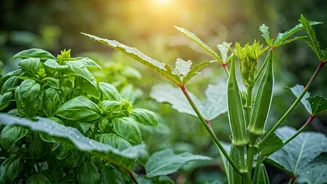
Why Tomatoes and Okra Thrive in June
While gardeners in cooler climates rush to get plants in the ground after the last frost, many parts of the U.S. see June as the true start of the warm growing season. The soil is thoroughly heated, the days are long, and the sun is intense—conditions
that can stress cool-weather crops like lettuce and peas but are exactly what tomatoes and okra crave. Planting them now means they'll hit their stride during the hottest months of July and August, leading to a prolific harvest just as you're craving fresh salsa and fried okra. Unlike their fussier spring counterparts, these two plants see a June heatwave not as a threat, but as a welcome invitation to grow.
Mastering June-Planted Tomatoes
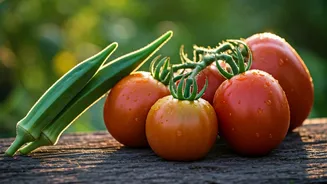
The key to planting tomatoes in June is choosing the right varieties and giving them a strong start. Opt for heat-tolerant or fast-maturing types. Varieties like 'Celebrity,' 'Heatmaster,' 'Roma,' or even many cherry tomatoes ('Sweet 100,' 'Sun Gold') are excellent choices as they are bred to set fruit even when temperatures climb. When you plant your transplant, bury about two-thirds of the stem. The tiny hairs on the stem will turn into roots, creating a much stronger, more resilient root system to seek out water during dry spells. Water deeply at the base of the plant immediately after planting and add a stake or cage right away. Don't wait until the plant is sprawling; giving it support from day one prevents future damage and improves air circulation, which helps ward off fungal diseases common in humid summer weather.
The Secrets to Successful Okra
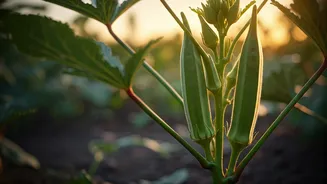
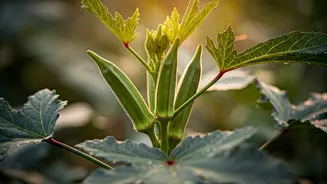
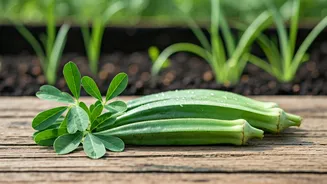
Okra is the undisputed champion of the summer heat. This Southern staple doesn't just tolerate high temperatures; it demands them. Soil temperatures must be consistently warm (above 65°F) for seeds to germinate, which makes June an ideal time for direct sowing in many regions. To give your okra an even better head start, soak the seeds in water for a few hours or overnight before planting. This softens the hard seed coat and speeds up germination. Plant the seeds about half an inch to an inch deep and about 12 inches apart in a spot that receives full, unrelenting sun. Okra is remarkably drought-tolerant once established, but consistent watering during its first few weeks will help it build a strong foundation. Don't be discouraged if it seems to start slow; once the real summer heat kicks in, your okra plants will explode with growth.
Watering and Mulching for Summer Survival
For any plant put in the ground in June, smart watering and mulching are non-negotiable. Instead of light, daily sprinkles, practice deep watering two to three times a week. This encourages roots to grow downward in search of moisture, making the plants more resilient to drought. Use a soaker hose or water wand to apply water directly to the soil at the base of the plants, keeping the leaves dry to prevent disease. After watering, apply a generous two- to three-inch layer of organic mulch, such as straw, shredded leaves, or wood chips. Mulch is the gardener's best friend in summer: it conserves soil moisture, suppresses weeds that compete for water and nutrients, and keeps the soil temperature stable.
Harvesting Your Summer Bounty
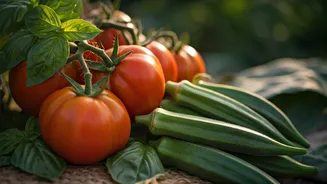
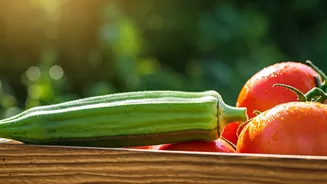
Your June planting efforts will pay off in mid-to-late summer. Begin harvesting tomatoes when they are fully colored and have a slight give when gently squeezed. The flavor is always best when they ripen on the vine. Okra pods grow incredibly fast, so you'll need to check your plants daily. The ideal size for harvesting is typically two to four inches long. Any larger, and the pods can become tough and woody. The more you pick, the more the plant will produce, so stay diligent. Regular harvesting signals to both your tomato and okra plants to keep the bounty coming all the way until the first frost.