




An Unbearable Summer
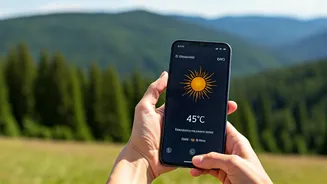
Imagine a summer where the mercury consistently flirts with 120°F (49°C). This isn't a hypothetical; it was the reality for millions in Indian cities like Delhi and Jaipur this year. A relentless, record-breaking heatwave descended upon much of North
and Central India, making daily life a grueling test of endurance. Schools were closed, outdoor work became perilous, and even staying indoors offered little respite as power grids strained under the demand from air conditioners. This wasn't just uncomfortable; it was dangerous, contributing to a surge in heat-related illnesses. For the burgeoning middle class with disposable income, the question wasn't *if* they should leave, but *when* and for how long.
The Lure of the Hill Station
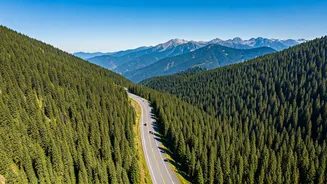
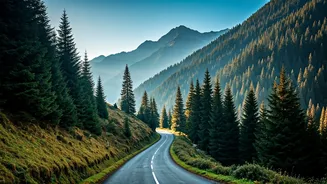
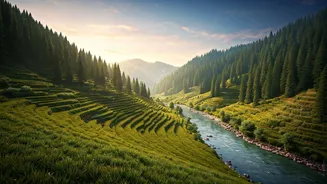
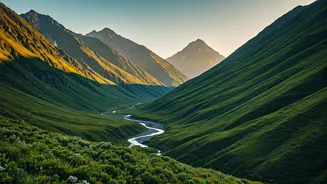
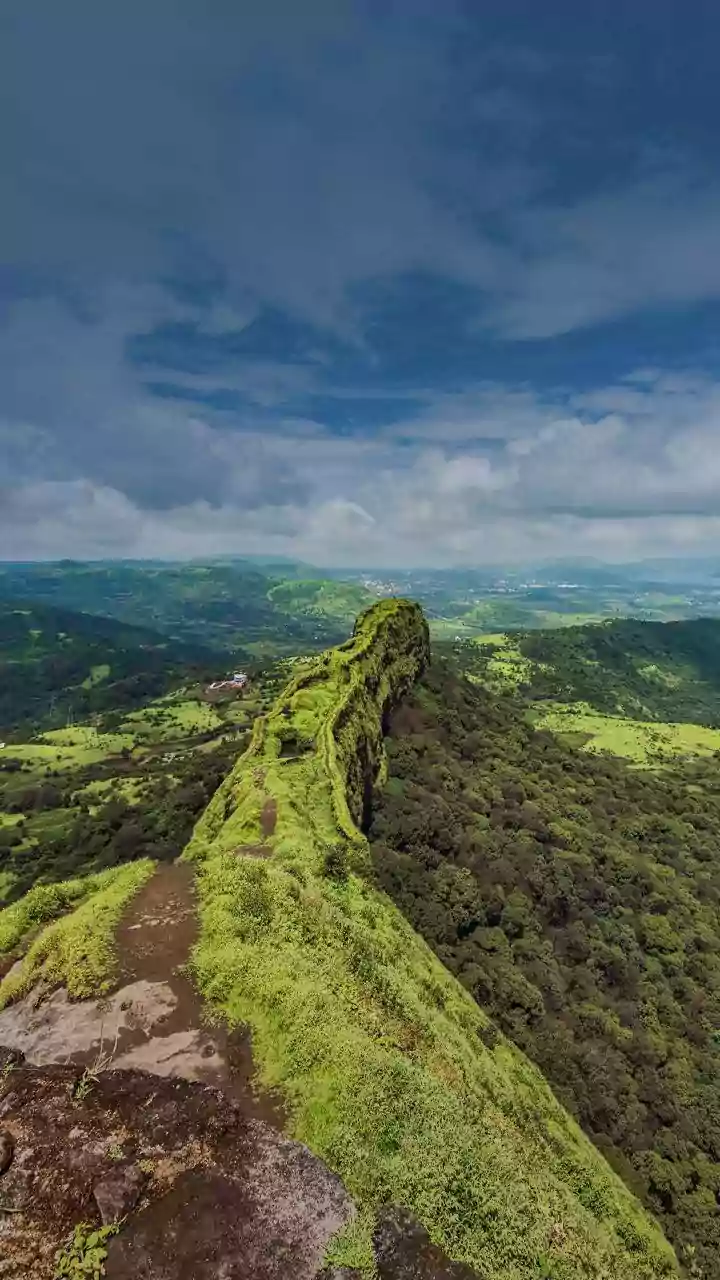
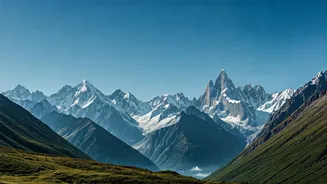
The destination of choice is the “hill station.” A concept dating back to the British Raj, these towns were established in mountain ranges like the Himalayas and the Western Ghats as summer capitals, allowing colonial administrators to escape the oppressive heat of the plains. Places like Shimla, Manali, Nainital, and Darjeeling were built as replicas of English villages, complete with cooler climates, Tudor-style cottages, and winding mountain roads. Today, they serve a similar purpose for modern Indians. They are an accessible, domestic antidote to the searing heat, offering crisp air, lush greenery, and a dramatic change of scenery just a drive or an overnight train ride away from the sweltering metropolises.
A Boost for Mood and Economy
The psychological impact of this annual exodus cannot be overstated. The escape from the heat provides an immediate, tangible lift to the national mood, a collective sigh of relief shared on social media through photos of misty mountains and cozy sweaters. For families, it’s a chance to reclaim a summer that felt stolen by the climate. This mass movement also provides a powerful economic injection for the mountain states. Hotels report near-100% occupancy, restaurants are packed, and local artisans and tour operators see their primary income for the year generated in these few intense months. In a very real sense, the heatwave in the plains directly fuels the prosperity of the hills, creating a unique, climate-driven economic interdependence.
Paradise Overwhelmed
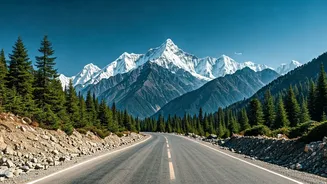
However, this solution is creating a new set of problems. The same roads leading to salvation are now infamous for “hill-jams”—traffic snarls that can stretch for miles, trapping hopeful vacationers in their cars for hours. The sudden population swell puts an immense strain on the fragile mountain ecosystems and their limited resources. Water shortages, already a concern, become acute as the tourist influx taxes local supplies. Waste management systems are overwhelmed, with plastic bottles and other trash marring the pristine landscapes that people came to enjoy. The very act of escaping one crisis is inadvertently creating another, turning these idyllic refuges into overwhelmed, congested hotspots. Local residents, while benefiting economically, are also grappling with the environmental cost and the loss of their towns’ quiet character.