




A Legendary Rite of Passage
Forget Route 66. For a certain breed of traveler, the ultimate pilgrimage is the 297-mile journey from Manali, a bustling town in the Indian state of Himachal Pradesh, to Leh, the high-altitude capital of the Ladakh region. This isn't just a drive; it's
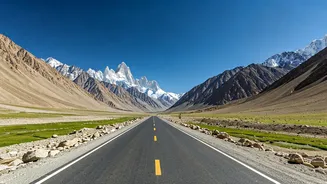
a high-stakes communion with nature at its most raw and magnificent. Closed for nearly half the year by impenetrable snow, its annual opening, typically in late May or early June, is a celebrated event heralded by India's Border Roads Organisation (BRO). For motorcyclists, 4x4 enthusiasts, and cyclists from across the globe, this is the starting pistol for a season of unparalleled adventure.
The Gauntlet of High Passes
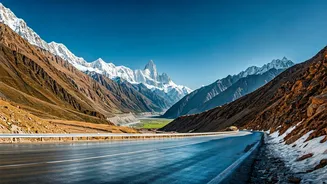
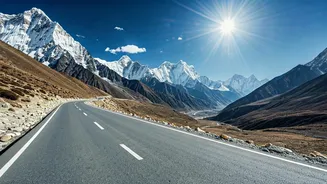
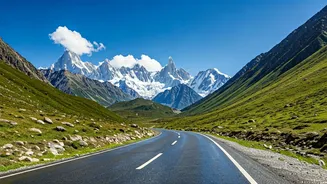
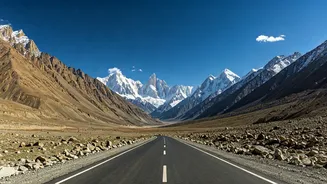
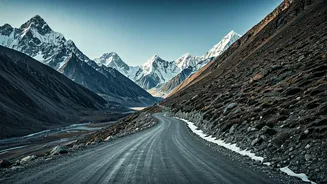
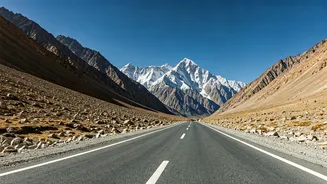
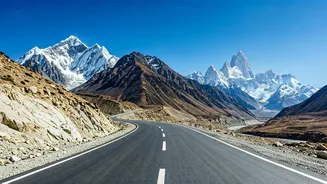
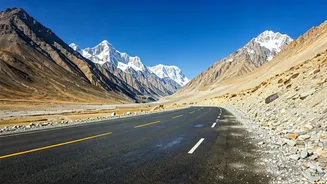
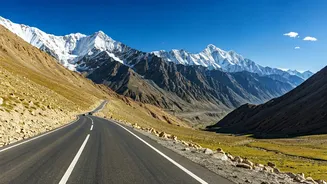
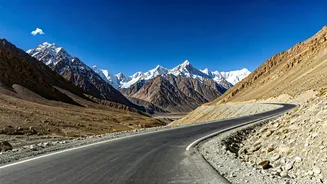
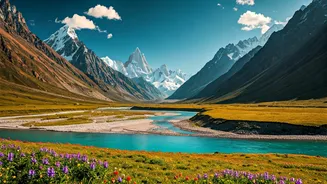
The highway's legend is forged in its five major mountain passes, each a milestone in a vertical ascent. The journey begins with the Rohtang Pass, a name that translates to “pile of corpses,” hinting at the dangers of its unpredictable weather. From there, the road climbs higher and the air grows thinner. You'll traverse Baralacha La, a starkly beautiful pass where several high-altitude trails converge, and Nakee La, known for its dizzying 21 hairpin bends called the Gata Loops. The ultimate test is Tanglang La, which, at over 17,480 feet, is one of the highest motorable passes in the world. Cresting each one delivers a lung-busting, soul-stirring reward: panoramic views of snow-dusted peaks, barren valleys, and a sky so blue it feels spiritual. Fluttering Tibetan prayer flags at each summit release blessings into the wind, a colorful contrast to the stark, lunar landscape.
More Than Just a Road
What elevates the Manali-Leh journey from a mere scenic drive to a cultural immersion is life along the route. The trip is too long and arduous to be done in a single day. Travelers typically take at least two days, with an essential overnight stop to acclimatize. This halt often happens at rustic tent camps in places like Sarchu or Jispa, where you’ll share stories with fellow adventurers over a simple meal under a blanket of brilliant stars. Roadside eateries, known as dhabas, serve up hot chai and Maggi noodles, providing warmth and sustenance. As you approach Leh, the landscape shifts, and the influence of Tibetan Buddhism becomes more pronounced. Ancient monasteries, or gompas, cling precariously to hillsides, offering a glimpse into a deeply spiritual world that has thrived in this harsh environment for centuries.
Preparing for the Ascent
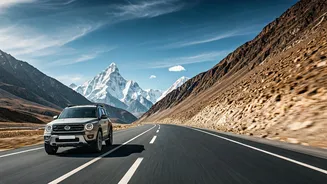
This is not a casual Sunday drive. The primary challenge is not the road itself, but the altitude. Acute Mountain Sickness (AMS) is a real and serious risk. The golden rule is to ascend slowly, stay hydrated, and allow your body at least one full day in Manali to acclimatize before starting the journey. The overnight stop halfway is crucial for the same reason. The weather is another fickle beast; a sunny morning can turn into a freezing snow squall in minutes, even in summer. Packing layers is non-negotiable: thermal wear, fleece, and a waterproof and windproof outer shell are essential. Whether on a rented Royal Enfield motorcycle—the classic choice—or in a shared taxi, expect a bumpy, dusty, and utterly unforgettable ride.