




The Annual Shutdown
For American travelers dreaming of spotting a Royal Bengal tiger in the wild, timing is everything. Each year, from roughly the end of June or early July until the beginning of October, the core zones of most of India's major tiger sanctuaries close to the public.
This isn't a surprise closure; it's a scheduled, essential part of the ecological calendar. Parks like Ranthambore in Rajasthan, Bandhavgarh and Kanha in Madhya Pradesh, and Jim Corbett in Uttarakhand all participate in this annual shutdown. While some buffer zones or specific gates may remain open for limited activities, the prime tiger-sighting areas become off-limits. For the guides, drivers, and lodge owners, it's a time for maintenance and rest. For the forest itself, it's a period of rebirth.
A Practical Necessity
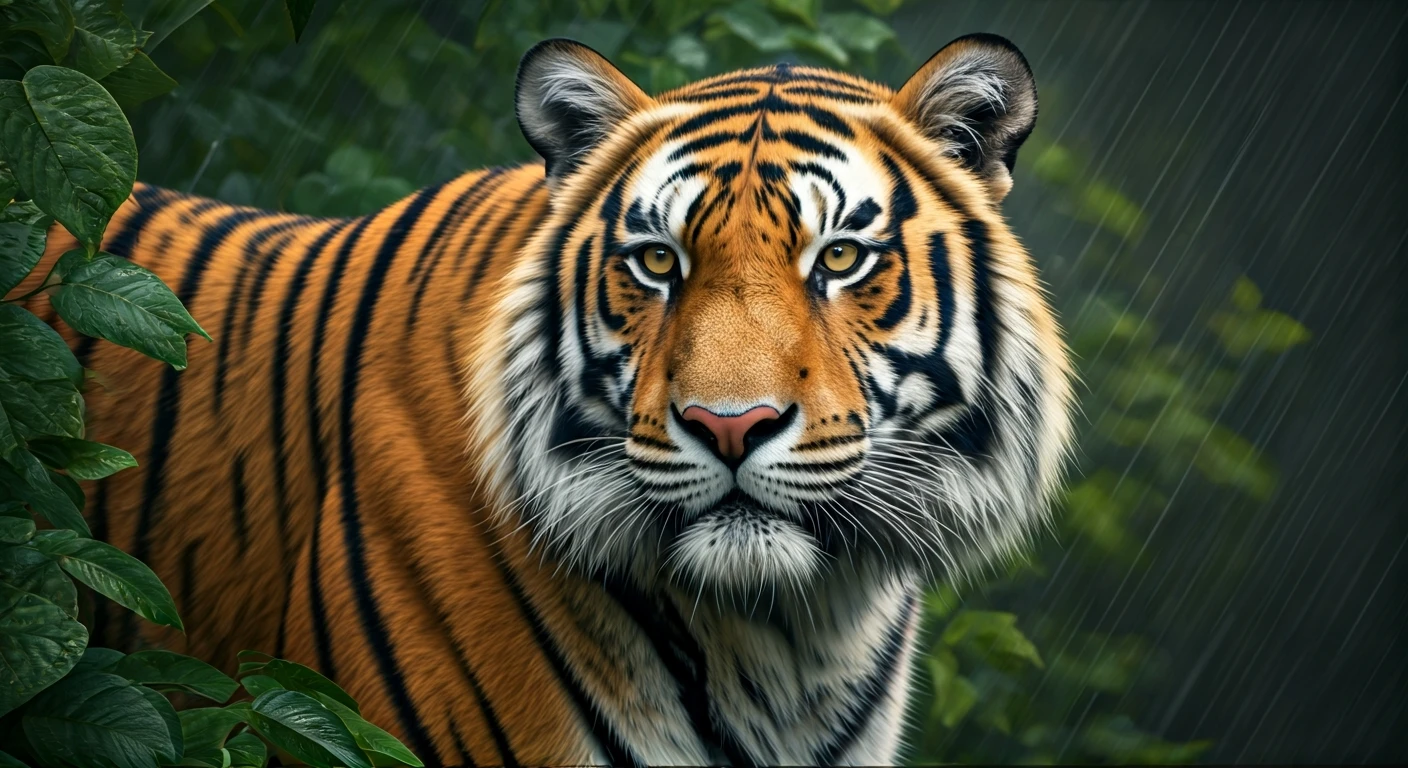
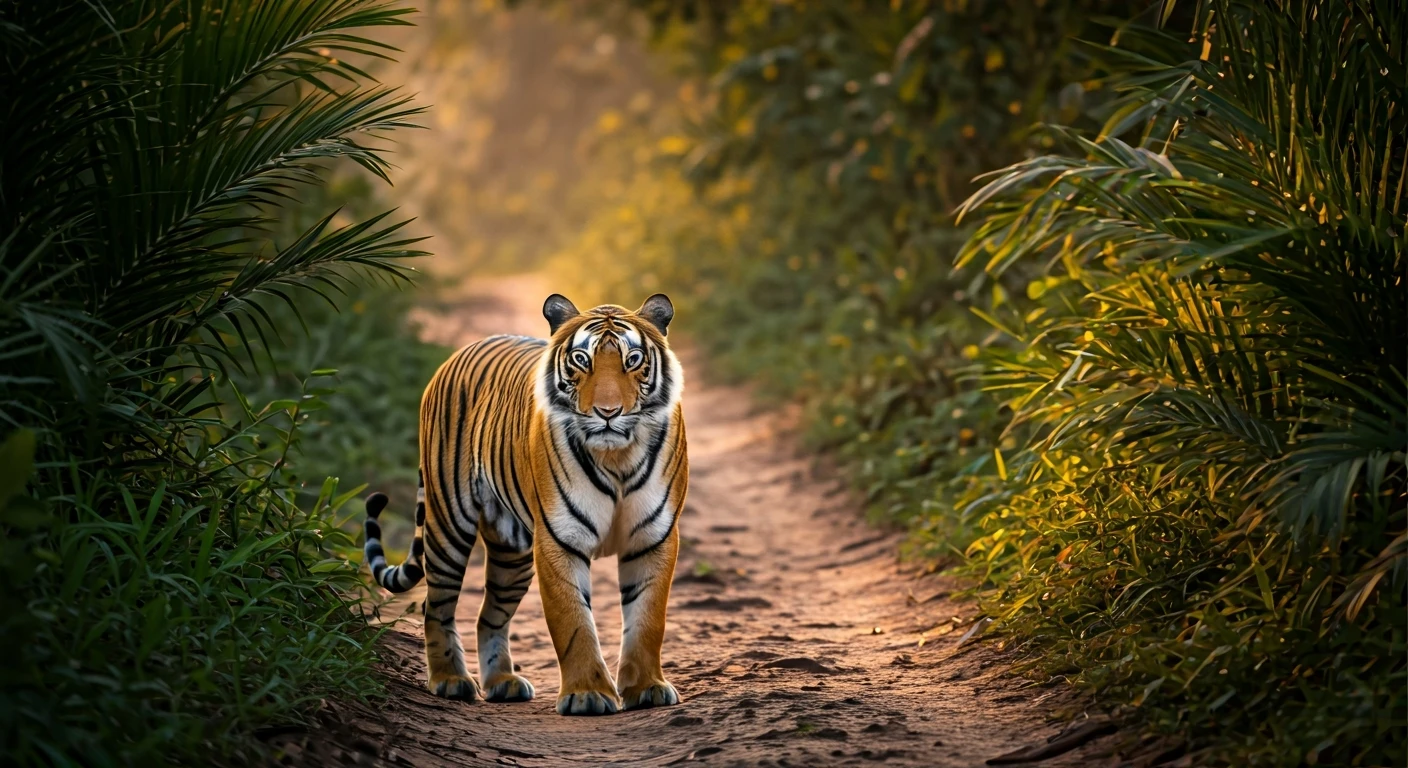
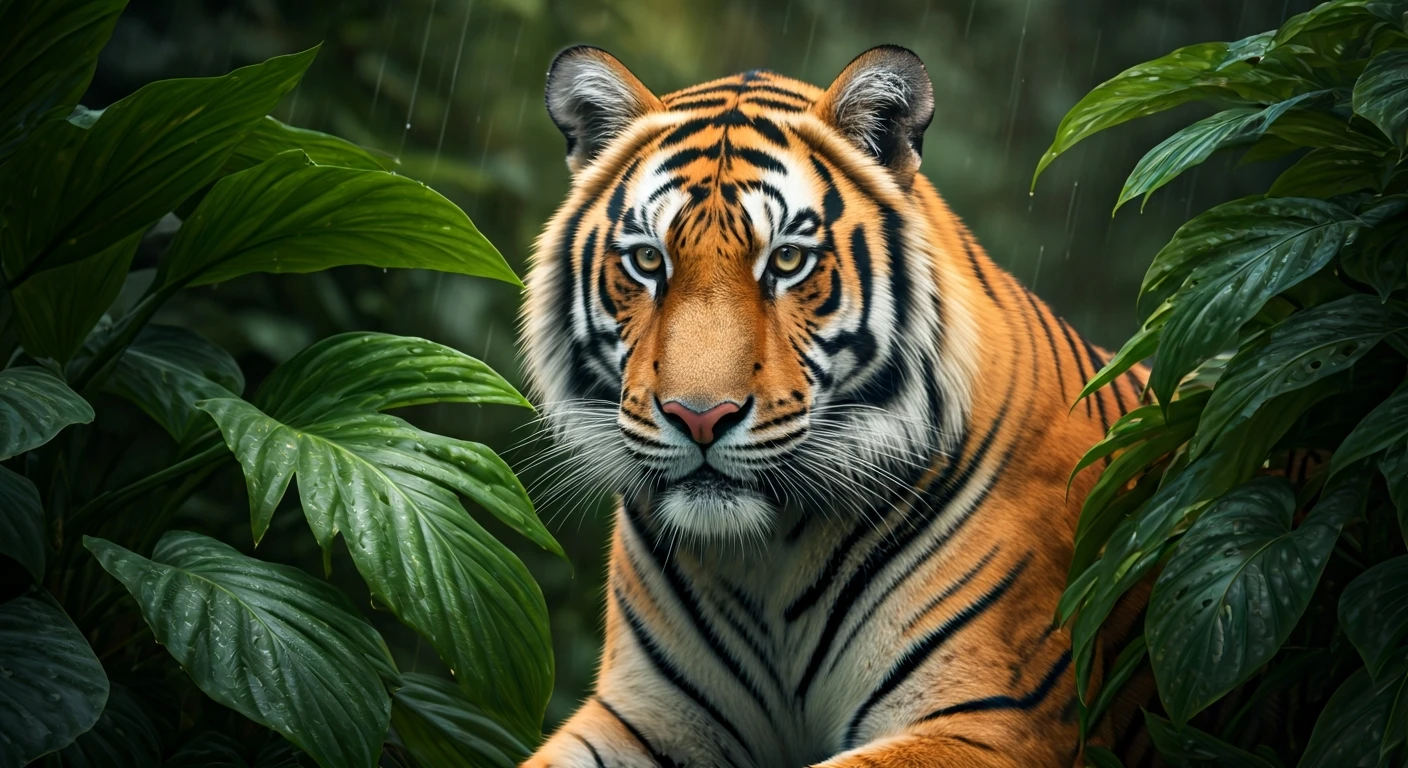
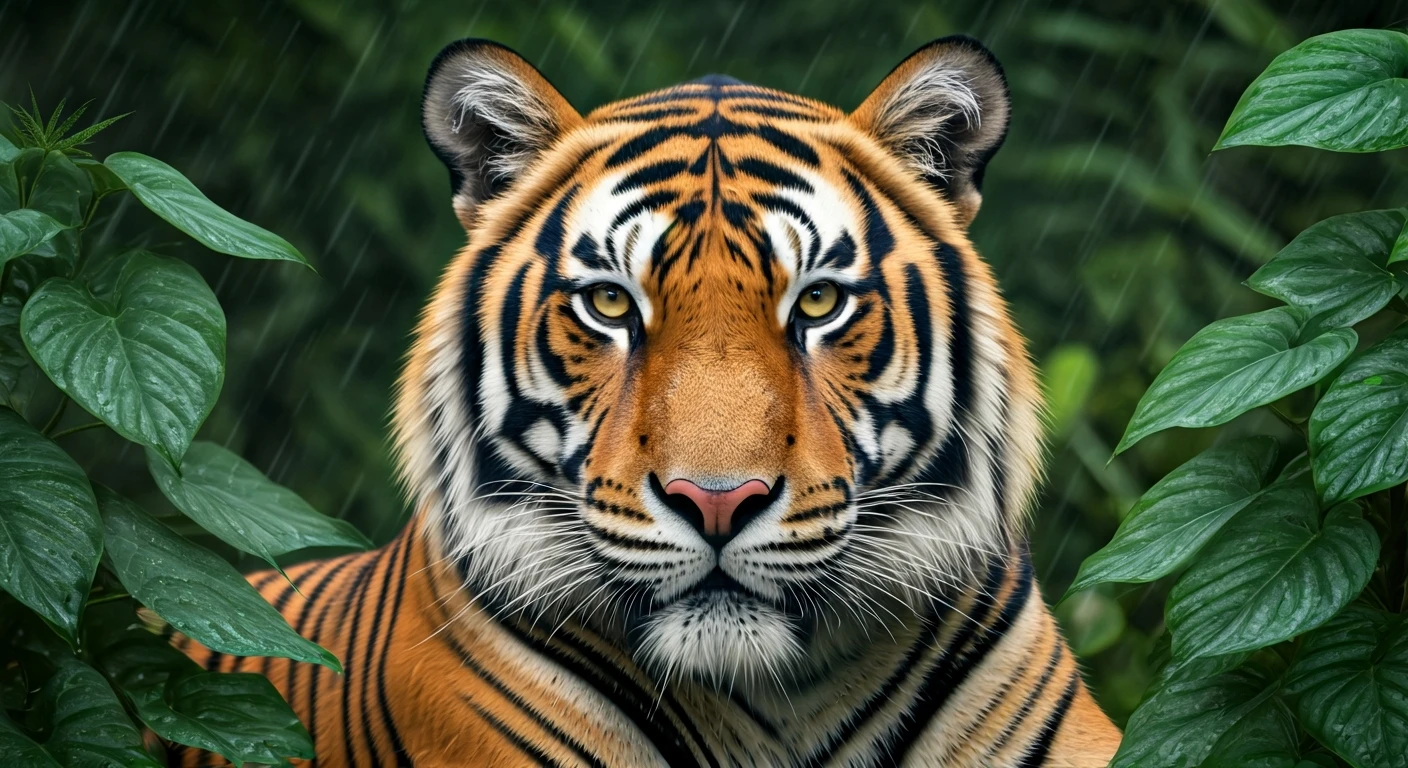
The primary reason for the closure is profoundly practical: water. The Indian monsoon unleashes torrential downpours that can last for days, turning the dry, dusty dirt tracks used for safaris into impassable rivers of mud. Flash floods are common, and riverbeds swell, making navigation dangerous for both vehicles and visitors. The safety of tourists and park staff is paramount. Beyond the logistical nightmare, the heavy rains also create the perfect conditions for the forest to heal itself. The break from the constant pressure of safari vehicles allows the battered trails to recover and vegetation to grow back, preventing soil erosion and maintaining the delicate structure of the forest floor.
Nature’s Grand Reset
The monsoon is the lifeblood of the Indian subcontinent, and the tiger reserves are no exception. After months of scorching heat during the dry season, the landscape is often parched and brown. The rains trigger a spectacular transformation. Within weeks, the forests erupt in a vibrant, almost electric green. Waterholes, once shrinking mud puddles, are replenished, ensuring a plentiful water supply for all inhabitants through the coming months. This explosion of new growth provides abundant food for deer, wild boar, and other herbivores—the tiger’s primary prey. In essence, the monsoon pause is a system-wide reset, ensuring the entire ecosystem is healthy, robust, and capable of supporting its apex predator.
A Welcome Reprieve for Tigers
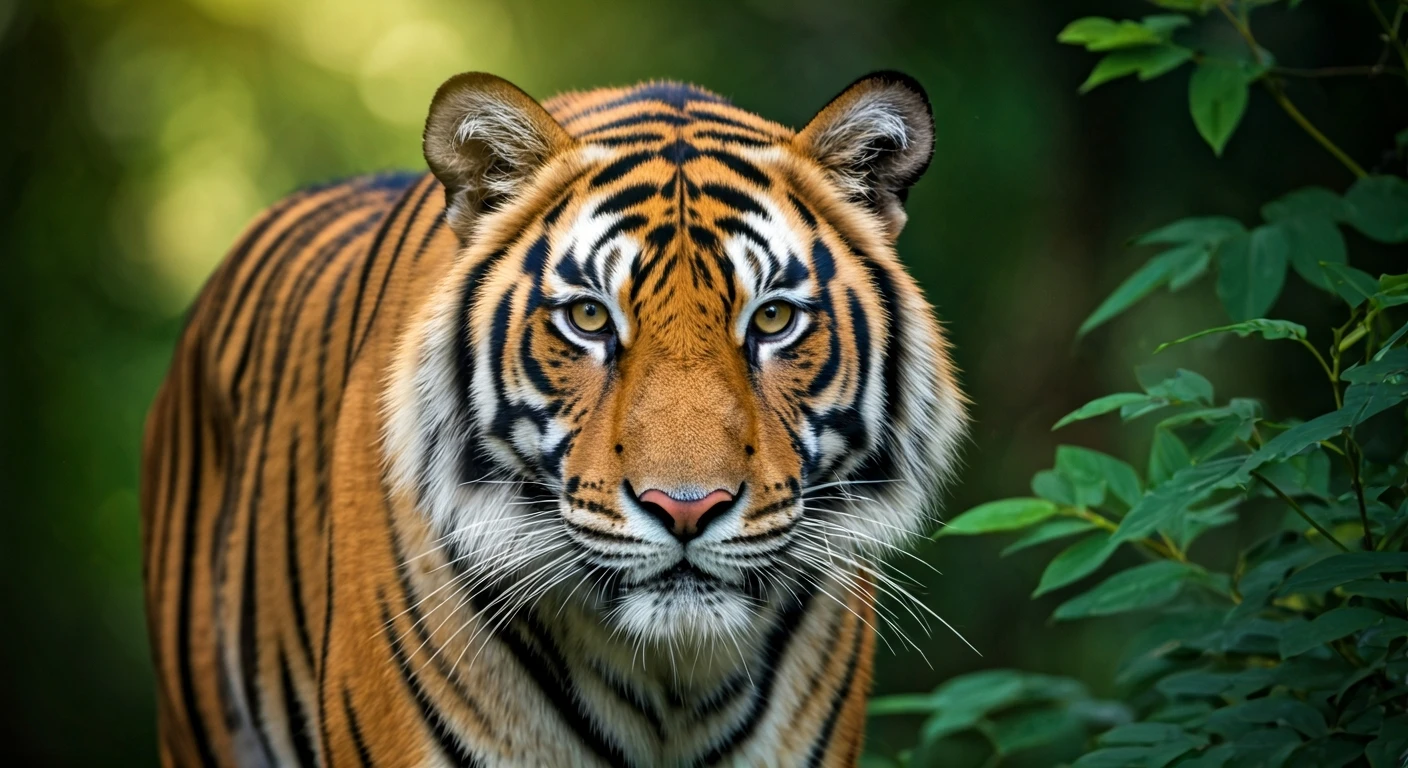
While the parks are managed for human visitors, their ultimate purpose is conservation. The three-month closure provides a crucial, undisturbed window for the wildlife. For tigers, this period often coincides with their mating season. Free from the daily parade of noisy jeeps and clicking cameras, the big cats can roam, court, and establish territories with less stress. It’s a vital reprieve that allows for natural behaviors to unfold without human interference. This quiet period is particularly important for tigresses with new cubs, giving them the privacy and security needed to raise their vulnerable offspring. This hands-off approach during a critical biological period is a key component of India's successful Project Tiger, which has seen the nation's wild tiger population rebound significantly in recent years.
The Reward for Patient Travelers
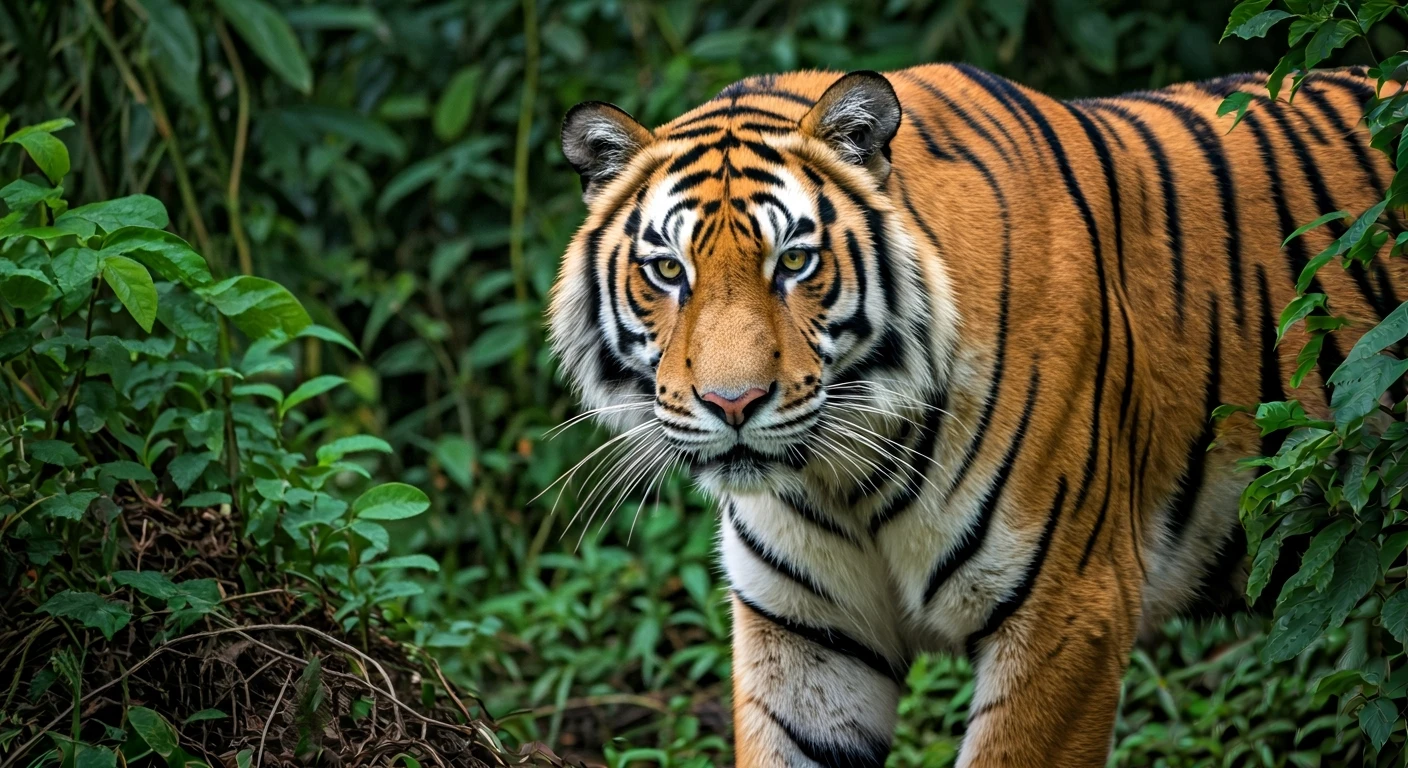
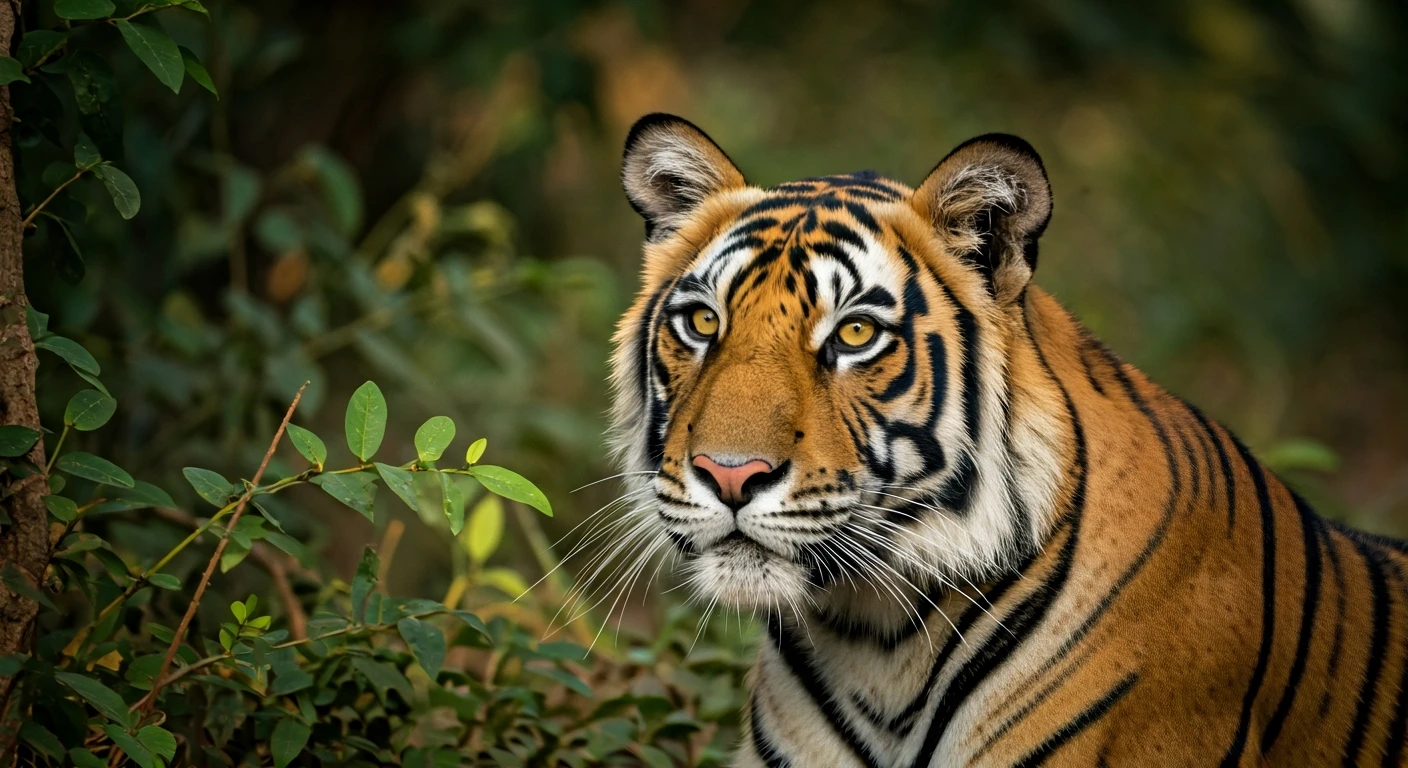
For travelers, the monsoon pause might seem like an inconvenience, but it’s the very reason the experience is so magical when the gates reopen in October. The post-monsoon landscape is arguably the most beautiful time to visit. The air is clean, the dust has settled, and the forests are lush, dense, and teeming with life. The rejuvenated vegetation means a healthy prey base, and well-fed prey means active, visible predators. The parks that emerge from their monsoon slumber are refreshed and wilder than ever. Planning a trip for late October or November means you’ll witness the jungle at its absolute peak, a direct result of the quiet months of rain and renewal.